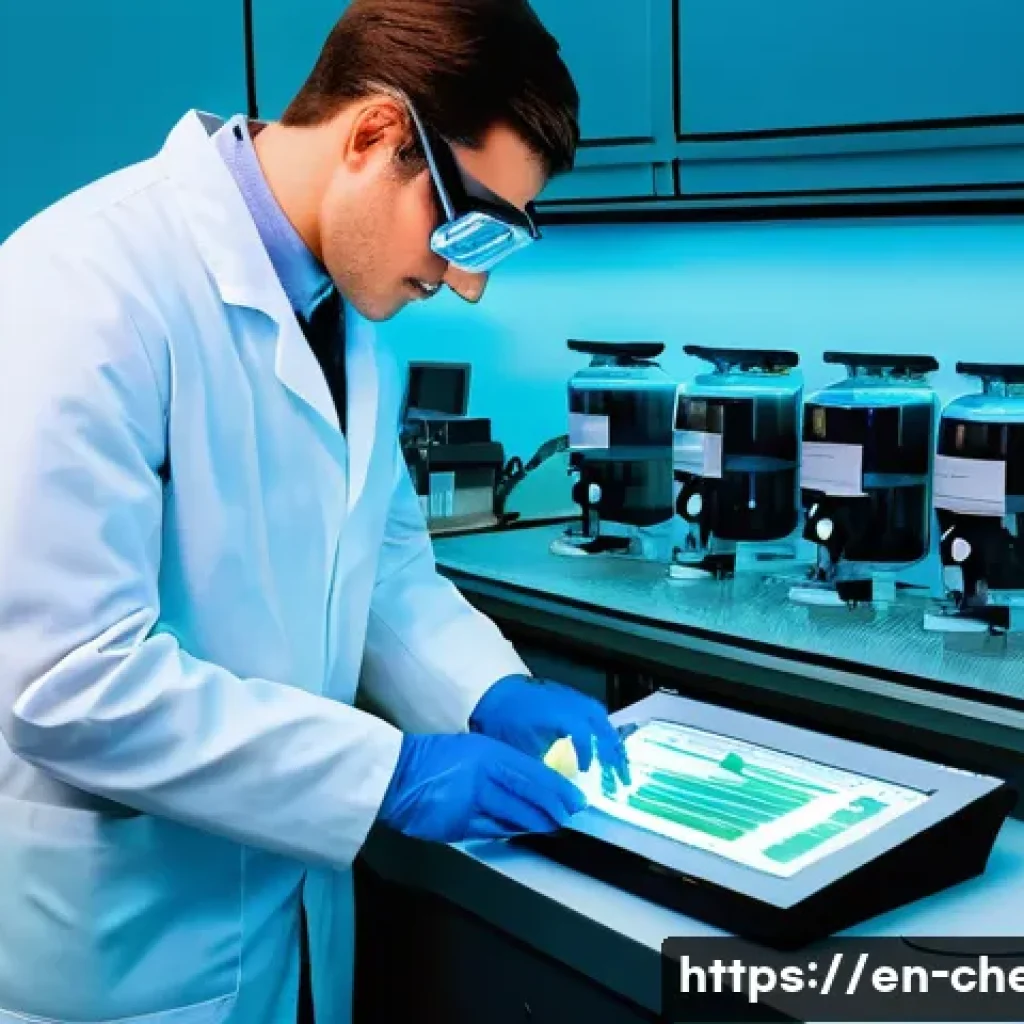
Exploring chemical engineering experiments offers a fascinating glimpse into how theoretical concepts come to life in practical settings. These experiments not only deepen our understanding of complex chemical processes but also pave the way for innovations in energy, materials, and environmental solutions.
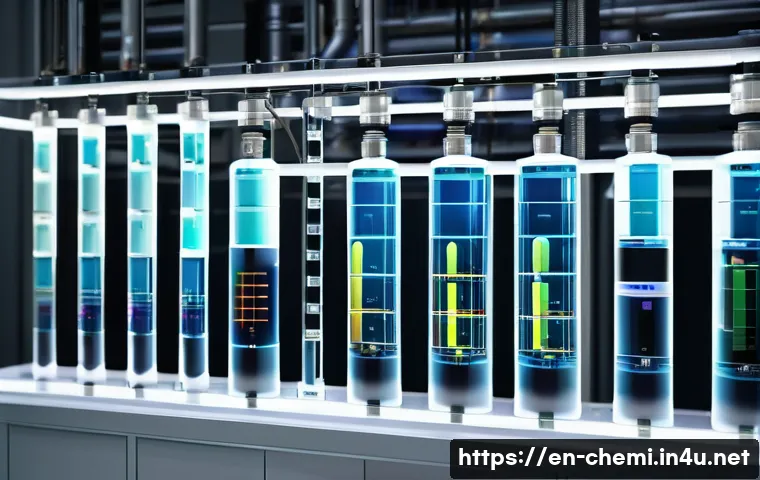
From reaction kinetics to process optimization, hands-on research plays a crucial role in advancing the field. Having personally observed the impact of meticulous experimentation, I can attest to the excitement and challenges that make this area so dynamic.
Whether you’re a student, researcher, or industry professional, understanding these studies can unlock new perspectives. Let’s dive in and uncover the details together!
Understanding Reaction Kinetics Through Lab Investigations
Decoding Rate Laws with Real-Time Measurements
When you dive into reaction kinetics, the thrill lies in observing how reactant concentrations change over time. Setting up experiments where you monitor these changes—whether via spectrophotometry, gas chromatography, or titration—turns abstract rate laws into tangible results.
I’ve found that carefully timing samples and maintaining constant conditions like temperature can reveal whether a reaction follows zero, first, or second-order kinetics.
It’s especially satisfying when the experimental data align closely with theoretical predictions, confirming the reaction mechanism or suggesting new pathways to explore.
Temperature’s Role in Reaction Speed
One of the more eye-opening lessons comes from varying temperature and seeing its effect on reaction rates. Performing controlled experiments where you incrementally adjust temperature helps illustrate the Arrhenius equation in practice.
Personally, observing the exponential increase in reaction speed with temperature rise really drove home the importance of activation energy. This hands-on approach is invaluable; it’s one thing to see formulas on a page and another to watch color changes or gas evolution accelerate right before your eyes.
Challenges in Maintaining Ideal Conditions
It’s tempting to assume lab conditions are perfectly controlled, but the reality is far messier. Small fluctuations in stirring speed, impurities in reagents, or slight temperature drifts can skew kinetic data significantly.
I’ve learned to appreciate the patience and rigor required to minimize these errors—sometimes rerunning experiments multiple times to ensure reproducibility.
These challenges highlight the importance of meticulous technique and thorough documentation, which are crucial skills for any chemical engineer working in research or industry.
Optimizing Separation Techniques for Purification
Distillation Column Design and Performance
Distillation remains a cornerstone of chemical separation, and experimenting with column parameters offers deep insights. Adjusting factors like reflux ratio, number of theoretical plates, and feed composition in a lab-scale distillation column can dramatically affect purity and recovery.
From my experience, hands-on trials help grasp concepts like McCabe-Thiele analysis far better than lectures alone. Watching the temperature gradient along the column and analyzing collected fractions brings theory to life in a way that’s both challenging and rewarding.
Membrane Filtration and Selectivity
Membrane-based separation experiments have become increasingly relevant, especially with sustainability in mind. Testing different membrane materials and pore sizes in lab setups reveals how selective permeation works.
I’ve personally observed how fouling and flux decline impact performance over time, underscoring real-world limitations. These experiments are crucial for developing membranes that balance permeability with selectivity, a key factor in processes like water treatment and gas separation.
Balancing Energy Efficiency and Purity
A major takeaway from separation experiments is the trade-off between energy consumption and product purity. It’s tempting to push for ultra-high purity, but this often comes at a steep energy cost.
Through experimental optimization, I’ve seen how tweaking operational conditions can find a sweet spot that meets process goals without excessive energy use.
This balance is vital for sustainable chemical manufacturing, and hands-on work provides the nuanced understanding necessary to innovate beyond textbook solutions.
Exploring Catalysis: Boosting Reaction Efficiency
Testing Catalyst Activity and Stability
Catalyst experiments are some of the most exciting because they directly impact reaction efficiency and selectivity. Running trials with different catalysts under varying conditions allows you to compare turnover frequencies and lifetime.
I recall working with supported metal catalysts where subtle changes in preparation methods led to drastically different performance. Observing catalyst deactivation trends over time also emphasizes the need for regeneration strategies, a critical aspect in industrial processes.
Mechanistic Insights Through Catalyst Characterization
Beyond performance tests, characterizing catalysts using techniques like X-ray diffraction or electron microscopy offers clues about active sites and structural changes.
Combining these analyses with kinetic data paints a comprehensive picture of how catalysts function. In my experience, such integrated studies have led to breakthroughs in designing catalysts with enhanced selectivity, reducing unwanted by-products and improving overall process efficiency.
Scaling Up from Bench to Pilot Plant
One of the biggest challenges is translating lab-scale catalytic results to larger scales. I’ve seen firsthand how factors like heat transfer limitations and mass transport can alter catalyst behavior outside the lab.
Pilot plant experiments are invaluable for addressing these scale-up issues, allowing fine-tuning of reactor design and operating conditions before full-scale implementation.
This step is critical for ensuring that promising lab discoveries become viable commercial technologies.
Harnessing Process Control for Reliable Operations
Implementing Sensors and Feedback Loops
Process control experiments reveal how real-time monitoring and feedback can stabilize chemical production. Setting up sensors for temperature, pressure, and composition, and then integrating them into control algorithms, demonstrates the dynamic nature of industrial processes.
I found it fascinating to observe how PID controllers adjust valve positions to maintain setpoints despite disturbances, providing a practical understanding that’s hard to gain from theory alone.
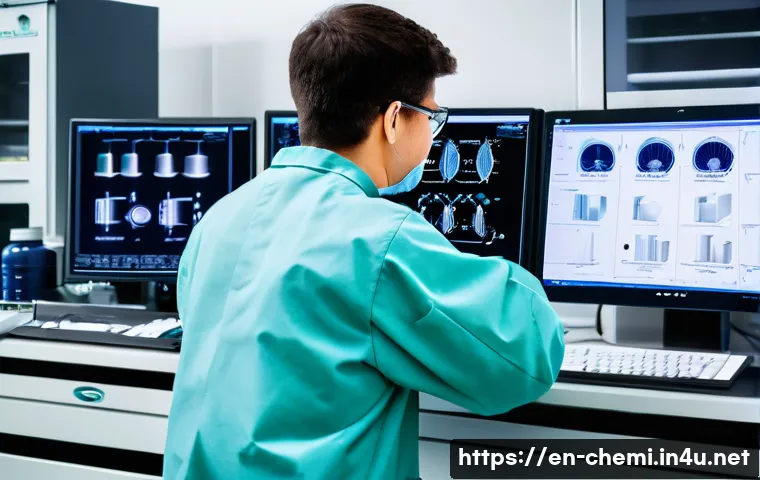
Modeling and Simulation for Process Optimization
Coupling experiments with process simulations offers a powerful approach to optimization. By validating models with experimental data, you can predict process behavior under various scenarios.
I’ve used this approach to test different control strategies and identify bottlenecks before making costly hardware changes. This synergy between experiments and modeling accelerates innovation and reduces risks in process development.
Dealing with Uncertainties and Disturbances
Real industrial processes rarely behave ideally; disturbances like feed variability or equipment wear introduce uncertainties. Conducting experiments that simulate these conditions helps develop robust control strategies.
I’ve learned that incorporating redundancy and adaptive controls can significantly enhance process resilience, ensuring consistent product quality even under fluctuating conditions.
Environmental Impact Assessments in Chemical Processes
Measuring Emissions and Waste Streams
Understanding the environmental footprint of chemical processes starts with accurate measurement of emissions and waste. Lab-scale experiments involving gas analyzers and liquid chromatography help quantify pollutants.
Personally, I found that linking these measurements to process variables enables identification of critical points where improvements can be made, which is essential for compliance and sustainability goals.
Evaluating Green Chemistry Alternatives
Experimenting with greener solvents, catalysts, or reaction pathways is a rewarding way to reduce environmental impact. I recall trials replacing traditional solvents with bio-based alternatives, which sometimes required tweaking reaction conditions but resulted in significantly lower toxicity and waste.
Such hands-on comparisons highlight the practical challenges and benefits of adopting sustainable chemistry practices.
Life Cycle Analysis Integration
Combining experimental data with life cycle analysis (LCA) tools provides a holistic view of process sustainability. I’ve seen how LCA can guide decision-making by quantifying energy consumption, emissions, and resource use throughout a product’s life.
Incorporating experimental results into these assessments strengthens their accuracy and relevance, supporting environmentally responsible engineering choices.
Data Analytics and Machine Learning Applications
Extracting Insights from Experimental Data
Modern chemical engineering increasingly relies on data analytics to interpret complex experimental results. Using statistical methods and visualization tools, I’ve been able to identify trends and correlations that might otherwise go unnoticed.
This approach enhances understanding of process behavior and informs better experimental design.
Machine Learning for Predictive Modeling
Applying machine learning algorithms to experimental datasets opens new horizons for predictive modeling. I experimented with neural networks to forecast reaction yields based on input parameters, which improved process optimization speed dramatically.
These techniques complement traditional methods, offering a powerful toolkit for tackling complex chemical systems.
Challenges and Opportunities in Data-Driven Research
While data-driven approaches are promising, they come with challenges like data quality and interpretability. I’ve learned the importance of rigorous data preprocessing and domain knowledge to avoid misleading conclusions.
Balancing machine learning with chemical intuition creates the best outcomes, driving innovation in experimental research.
| Experiment Type | Key Variables | Typical Methods | Applications |
|---|---|---|---|
| Reaction Kinetics | Concentration, Temperature, Time | Spectrophotometry, Gas Chromatography | Mechanism Elucidation, Rate Law Determination |
| Separation Processes | Reflux Ratio, Membrane Pore Size, Pressure | Distillation, Membrane Filtration | Purification, Waste Minimization |
| Catalyst Testing | Turnover Frequency, Stability, Surface Area | XRD, Electron Microscopy | Reaction Efficiency, Selectivity Enhancement |
| Process Control | Temperature, Pressure, Flow Rate | PID Controllers, Sensors | Operational Stability, Optimization |
| Environmental Assessment | Emission Levels, Waste Composition | Gas Analyzers, Chromatography | Sustainability, Compliance |
Conclusion
Exploring chemical processes through hands-on experiments deepens our understanding of complex reactions and separation techniques. These practical investigations not only confirm theoretical concepts but also reveal real-world challenges and opportunities. By integrating experimentation with modern tools and critical thinking, we pave the way for innovation in chemical engineering. Embracing this approach equips us to design more efficient, sustainable, and reliable processes.
Useful Information to Keep in Mind
1. Consistent experimental conditions are key to obtaining reliable kinetic data, especially temperature and concentration control.
2. Balancing energy consumption with product purity is essential in optimizing separation processes for sustainability.
3. Catalyst performance depends heavily on preparation methods and must be regularly monitored for deactivation to maintain efficiency.
4. Implementing real-time sensors and adaptive controls enhances process stability and helps manage unexpected disturbances.
5. Combining experimental results with data analytics and machine learning can accelerate process optimization and innovation.
Key Takeaways
Successful chemical process investigations require meticulous attention to experimental detail and an understanding of the interplay between variables such as temperature, concentration, and flow rates. Realistic lab conditions often present challenges that must be managed to ensure data accuracy and reproducibility. Integrating advanced characterization techniques and process control strategies leads to more efficient and scalable chemical manufacturing. Finally, embracing environmental assessment and data-driven methods strengthens the sustainability and reliability of chemical engineering solutions.
Frequently Asked Questions (FAQ) 📖
Q: What are some common challenges faced during chemical engineering experiments?
A: One of the biggest challenges is maintaining precise control over experimental conditions like temperature, pressure, and reactant concentrations. Small deviations can lead to significant changes in results, which can be frustrating.
Also, scaling up from lab-scale experiments to industrial processes often introduces unexpected complexities. From my experience, troubleshooting these issues requires patience and a deep understanding of both theory and practical nuances.
Q: How can hands-on experiments improve understanding compared to just studying theory?
A: Experiments bring theory to life by allowing you to see real reactions and processes in action. When I first conducted reaction kinetics experiments, it was eye-opening to observe how variables like catalyst type and concentration directly affected reaction rates.
This practical exposure deepens comprehension, reinforces concepts, and builds problem-solving skills that purely theoretical study can’t match.
Q: What role do chemical engineering experiments play in industry innovation?
A: Experiments are the backbone of innovation in chemical engineering. They enable testing new materials, optimizing processes, and developing sustainable solutions like greener energy production or waste reduction.
In my work, I’ve seen how iterative experimentation leads to breakthroughs that improve efficiency and reduce costs, ultimately driving progress in sectors from pharmaceuticals to environmental technology.