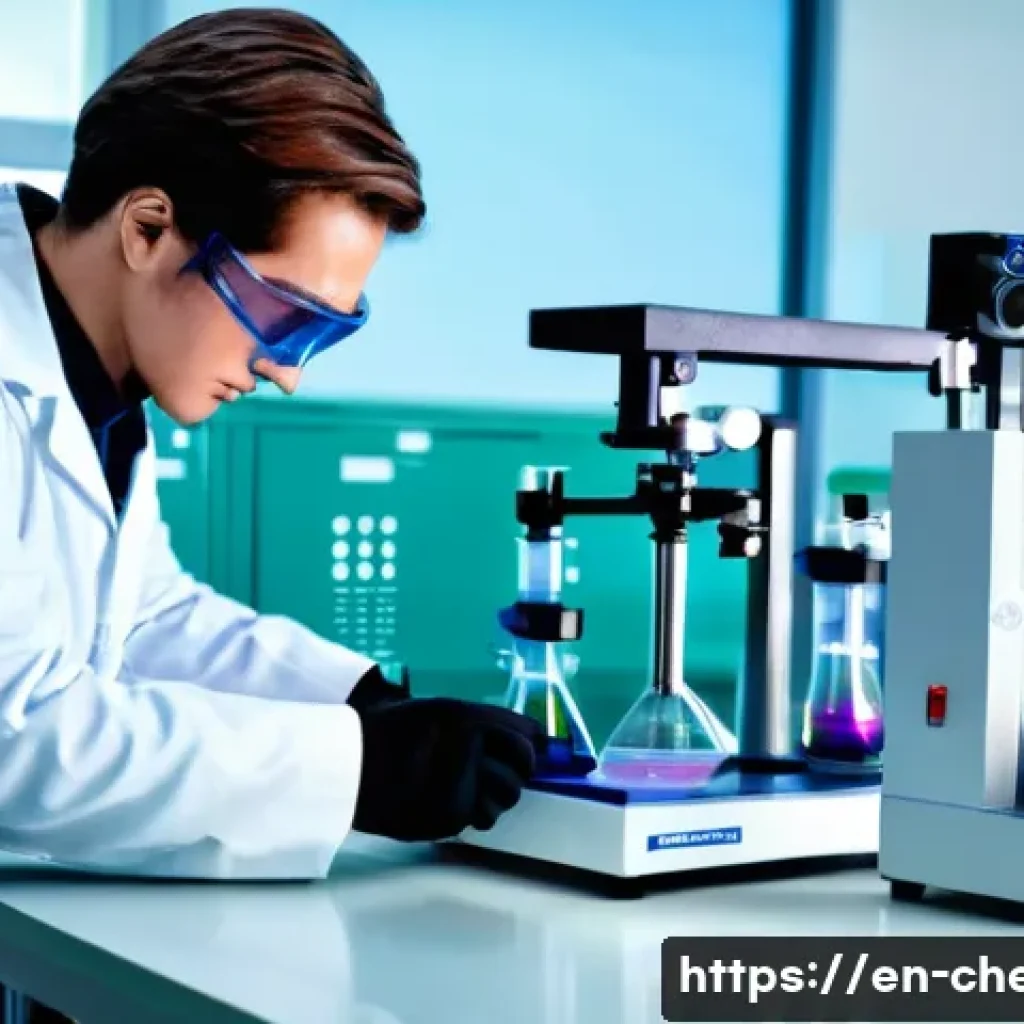
Mastering practical skills in chemical engineering experiments is essential for transforming theoretical knowledge into real-world applications. These hands-on techniques not only enhance problem-solving abilities but also deepen understanding of complex processes.
Whether you’re calibrating instruments or analyzing reaction data, precision and safety are paramount. From my own experience, the thrill of seeing reactions unfold in the lab is unmatched.
Let’s dive into the details and explore how these skills can elevate your expertise!
Refining Measurement Accuracy in Lab Procedures
Choosing the Right Equipment for Precision
Selecting the appropriate instruments can make or break your experimental outcomes. From volumetric flasks to digital pH meters, every tool has its own accuracy range and calibration requirements.
I’ve found that investing time upfront in understanding the specs of each device pays off immensely when interpreting results. For example, using a high-precision analytical balance ensures that even minute mass differences are captured, which is crucial for stoichiometric calculations.
Overlooking this step often leads to cumulative errors that skew the entire experiment, a frustration I’ve experienced firsthand during early lab work.
Calibrating Instruments for Reliable Data
Calibration isn’t just a routine chore; it’s the backbone of credible data. I usually start my experiments by running calibration checks against standard solutions or reference materials.
This practice not only confirms the instrument’s current performance but also highlights any drift since the last use. For instance, calibrating a gas chromatograph with known concentrations allows me to trust the peak areas during sample analysis.
It’s like tuning a musical instrument before a concert—without it, the melody (or data) falls flat. Skipping calibration often leads to inconsistent data, which can cause delays and repeated trials.
Maintaining Consistency Across Repetitions
Consistency is key when conducting multiple trials to confirm results. I always document every minor detail—from temperature and pressure to reagent batch numbers—to minimize variability.
During my experiments, I noticed that even subtle changes in stirring speed or sample preparation altered reaction rates. This attention to detail helps me pinpoint the cause when results deviate unexpectedly.
Developing a habit of standardized procedures ensures that comparisons between runs are meaningful, reducing guesswork and improving reproducibility.
Enhancing Safety Protocols in Chemical Labs
Proper Handling and Disposal of Chemicals
Safety starts with respect for the chemicals themselves. Knowing the properties and hazards of each substance is fundamental before you even open a bottle.
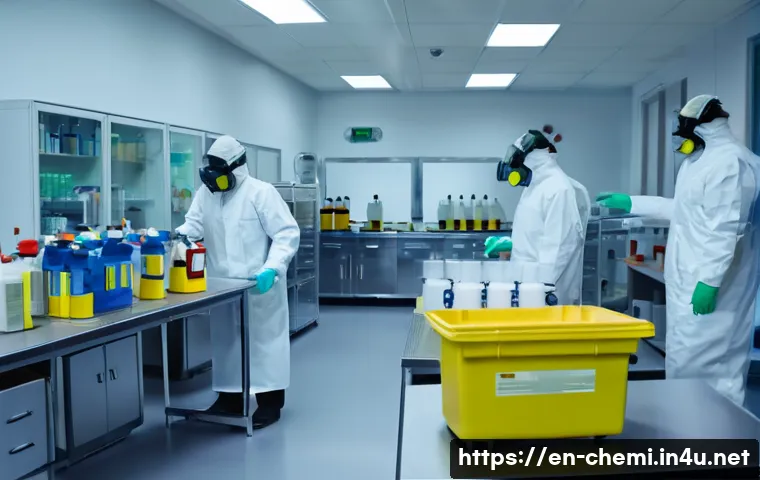
I always review the material safety data sheets (MSDS) and ensure proper labeling and storage. When handling corrosive or toxic chemicals, wearing gloves, goggles, and lab coats isn’t negotiable.
Disposal is equally critical; I’ve learned that segregating waste streams prevents hazardous reactions in waste containers. Neglecting these safety steps can lead to accidents or contamination, which are avoidable with diligence.
Emergency Preparedness and Response
No matter how careful you are, accidents happen. I make it a point to familiarize myself with the lab’s emergency protocols, including the location of fire extinguishers, eyewash stations, and first aid kits.
Practicing spill response drills has saved me from panic during actual incidents. For example, when a minor acid spill occurred near my workstation, knowing the right neutralizing agent and cleanup procedure allowed me to act quickly and safely.
Being proactive about emergencies not only protects you but also your colleagues.
Ergonomics and Personal Well-being
Long hours in the lab can take a toll physically and mentally. I’ve noticed that proper ergonomics—like adjustable chairs and correct pipetting techniques—reduce strain and fatigue.
Taking short breaks to stretch or hydrate keeps my focus sharp and prevents careless mistakes. It’s easy to overlook personal well-being in the rush to complete experiments, but maintaining a healthy routine enhances overall productivity and safety.
Data Analysis and Interpretation Strategies
Utilizing Software Tools for Accurate Calculations
Modern chemical engineering labs rely heavily on software for data crunching and visualization. I’ve worked extensively with programs like MATLAB, Excel, and specialized chromatography software.
These tools help me process large datasets quickly, identify trends, and spot anomalies. For instance, plotting reaction kinetics with curve-fitting functions has enabled me to estimate rate constants more confidently than manual calculations.
However, it’s important to understand the underlying math to avoid blindly trusting software outputs.
Cross-Checking Experimental Data
Double-checking data is a habit I developed after encountering discrepancies that cost me hours of troubleshooting. Comparing results from different measurement methods or repeating analyses can validate findings.
When I measured reaction yields, verifying mass balances alongside spectroscopy data gave me a clearer picture of reaction efficiency. Cross-validation reduces the risk of propagating errors and strengthens confidence in conclusions.
Presenting Results Clearly and Effectively
Communicating your findings is as important as obtaining them. I focus on creating clear graphs, tables, and concise summaries that highlight key insights without overwhelming the reader.
During presentations or reports, I’ve found that storytelling—explaining the rationale, challenges, and outcomes—engages the audience more than just raw numbers.
Effective communication also invites constructive feedback, which can refine your work further.
Mastering Reaction Control Techniques
Optimizing Temperature and Pressure Conditions
Controlling the environment where reactions occur is crucial for reproducibility and yield. In my experience, using automated temperature controllers and pressure regulators helps maintain steady-state conditions.
I recall one project where slight temperature fluctuations caused unexpected by-products; after switching to a PID controller, the reaction became much more stable.
Understanding how these parameters influence reaction kinetics and equilibrium enables better process design and troubleshooting.
Adjusting Flow Rates and Mixing Speeds
In continuous flow systems or batch reactors, the rate at which reactants mix can drastically affect outcomes. I’ve experimented with varying stirrer speeds and feed flow rates to optimize conversion and selectivity.
For example, increasing mixing intensity improved heat transfer and prevented hotspots in exothermic reactions. Fine-tuning these variables often requires trial and error, but it’s rewarding to see how small changes can lead to significant improvements.
Implementing Real-Time Monitoring
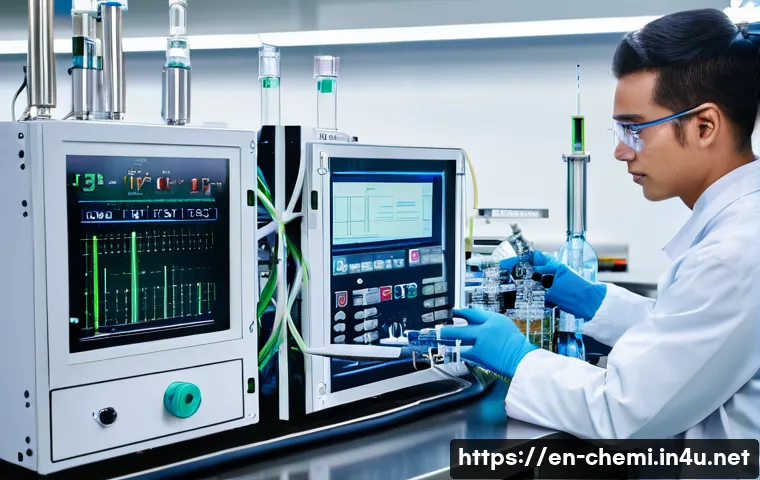
Real-time sensors and probes provide immediate feedback on reaction progress, allowing dynamic adjustments. I use inline spectroscopic probes or temperature sensors to track changes without interrupting the process.
This continuous monitoring has helped me catch deviations early, such as catalyst deactivation or unexpected side reactions. Integrating these technologies not only improves control but also enhances safety by alerting operators to anomalies.
Effective Sample Preparation and Handling
Techniques for Accurate Sampling
Obtaining representative samples is often trickier than it sounds. I make sure to take samples at consistent intervals and from well-mixed zones to avoid bias.
In my work with multiphase reactions, sampling the liquid phase separately from solids was essential to understand the reaction mechanism. Proper sampling minimizes errors downstream in analysis and interpretation.
Preparing Samples for Instrumental Analysis
Sample preparation can involve dilution, filtration, or derivatization depending on the analytical method. I’ve learned that skipping filtration before chromatography leads to clogged columns and unreliable results.
Similarly, adjusting pH or adding derivatizing agents can improve detection sensitivity. Tailoring preparation steps to the instrument and analyte ensures data quality and prolongs equipment lifespan.
Storage and Stability Considerations
Some samples degrade quickly or react further if not handled properly. I store sensitive samples in refrigerated or inert environments to preserve their integrity.
For instance, volatile organic compounds require airtight containers and low temperatures to prevent loss. Understanding the stability of your samples helps avoid artifacts in analysis and ensures that results reflect the true state of the system.
Optimizing Experimental Workflow and Time Management
Planning and Prioritizing Tasks
Efficient lab work hinges on good planning. I start by outlining the sequence of operations and estimating durations for each step. This helps me batch similar tasks, like calibrations or reagent preparation, minimizing downtime.
Prioritizing critical steps ensures that limited resources, such as specialized equipment or reagents, are used effectively. A well-organized workflow reduces stress and improves overall productivity.
Managing Unexpected Challenges
No experiment goes exactly as planned. I keep spare parts, backup reagents, and contingency protocols ready to handle equipment failures or reagent shortages.
When I encountered a sudden power outage during a lengthy reaction, having an uninterruptible power supply saved the experiment. Being prepared for hiccups keeps the momentum going and prevents costly delays.
Documenting and Reviewing Procedures
Meticulous record-keeping is a habit I can’t emphasize enough. Writing detailed notes on conditions, observations, and deviations during the experiment allows me to reproduce or troubleshoot later.
I often review past records before starting new runs to avoid repeating mistakes. This practice not only aids personal learning but also facilitates collaboration and knowledge transfer within the team.
| Skill Area | Key Actions | Benefits |
|---|---|---|
| Measurement Accuracy | Choose proper instruments, calibrate regularly, maintain consistency | Reliable data, reduced errors, improved reproducibility |
| Safety Protocols | Proper chemical handling, emergency preparedness, ergonomics | Accident prevention, quick response, sustained well-being |
| Data Analysis | Use software tools, cross-check data, clear presentation | Accurate interpretation, confidence in results, effective communication |
| Reaction Control | Optimize temperature/pressure, adjust mixing, real-time monitoring | Stable reactions, higher yield, early anomaly detection |
| Sample Handling | Accurate sampling, proper preparation, storage management | Representative samples, quality analysis, preserved integrity |
| Workflow Management | Plan tasks, prepare for challenges, document thoroughly | Efficiency, resilience, knowledge retention |
Concluding Thoughts
Refining measurement accuracy and maintaining rigorous lab protocols are essential for reliable experimental outcomes. Through careful equipment selection, consistent calibration, and thorough documentation, the integrity of data is preserved. Prioritizing safety and workflow efficiency not only protects researchers but also enhances productivity. Embracing these practices builds confidence in results and drives scientific progress forward.
Useful Tips to Remember
1. Always invest time in understanding your equipment’s specifications and calibration needs to ensure precise measurements.
2. Never skip calibration—it’s the foundation of trustworthy and reproducible data.
3. Keep detailed records of every experimental condition and procedural step to identify sources of variability.
4. Use modern software tools wisely, but maintain a solid grasp of the underlying principles to avoid misinterpretation.
5. Prepare for unexpected challenges by having backup plans and emergency protocols ready to keep experiments on track.
Key Takeaways
Accurate lab results stem from selecting the right instruments and calibrating them regularly. Consistency in procedures and thorough documentation reduce errors and improve reproducibility. Safety protocols, including proper chemical handling and emergency readiness, safeguard both people and experiments. Effective data analysis combined with clear communication strengthens the impact of findings. Finally, optimizing reaction conditions and managing workflow efficiently ensure smoother and more successful research outcomes.
Frequently Asked Questions (FAQ) 📖
Q: How can I improve my accuracy when calibrating instruments in chemical engineering experiments?
A: Improving accuracy starts with understanding the instrument’s operating principles and regularly performing calibration checks using standard solutions or reference materials.
In my experience, documenting every calibration step meticulously helps spot trends or deviations early. Also, maintaining a clean and stable lab environment reduces external factors affecting measurements.
Don’t rush the process—taking your time to ensure each calibration point is reliable pays off in consistent, precise data.
Q: What safety precautions are most important during chemical reaction experiments?
A: Safety should always be your top priority. From my hands-on work, wearing proper personal protective equipment like gloves, goggles, and lab coats is non-negotiable.
Always know the chemicals you’re working with—review their Material Safety Data Sheets (MSDS) beforehand. Proper ventilation and having emergency equipment such as eyewash stations and fire extinguishers within reach are critical.
Never work alone in the lab, and always follow standard operating procedures to minimize risks.
Q: How can hands-on experiments deepen my understanding of theoretical chemical engineering concepts?
A: Engaging directly with experiments bridges the gap between textbook knowledge and real-world behavior. For me, seeing variables like temperature and pressure influence reaction rates firsthand made abstract concepts tangible.
It challenges you to think critically when unexpected results arise, enhancing problem-solving skills. Plus, actively manipulating equipment and analyzing data fosters a deeper intuition about process dynamics that theory alone can’t provide.
This practical insight often leads to more innovative and effective engineering solutions.