
In today’s fast-evolving chemical engineering landscape, staying ahead means more than just mastering theory—it demands real-world, hands-on experience.

With industries pushing the boundaries of innovation, those who actively engage in practical applications often find themselves at a significant advantage.
If you’ve ever wondered how to make your resume stand out or accelerate your career growth, diving into hands-on projects might be the game-changer you need.
Let’s explore why immersing yourself in practical work not only builds confidence but also opens doors to opportunities that classroom learning alone can’t offer.
Stick around to discover how this approach can transform your professional journey.
Bridging Theory and Practice: The Real-World Edge
Why Classroom Learning Alone Falls Short
When I first started my chemical engineering studies, I quickly realized that textbooks and lectures provide the foundation, but they don’t capture the full picture.
Theory tends to be neat and controlled, while real-world processes are messy and unpredictable. Hands-on experience exposes you to the nuances of equipment behavior, process fluctuations, and troubleshooting—things that no lecture slide can simulate.
This practical exposure builds problem-solving skills that are critical for success in industry.
How Practical Projects Boost Your Confidence
There’s something empowering about physically manipulating a pilot plant or running simulations that you’ve personally set up. I remember the first time I successfully optimized a reaction yield in the lab—it was a confidence booster that textbooks alone couldn’t provide.
This confidence translates directly into better decision-making on the job and a stronger presence during interviews or team discussions, setting you apart from peers who only have theoretical knowledge.
Real-World Skills That Employers Crave
Employers increasingly prioritize candidates who can hit the ground running. Knowing how to operate process control systems, interpret real-time data, or even just communicate effectively with technicians shows maturity and readiness.
Hands-on projects help you develop these skills organically, making you not just a thinker but a doer—someone who understands how to convert theory into tangible outcomes.
Exploring Industry Tools and Technologies Firsthand
Familiarity with Modern Equipment and Software
Chemical plants today are powered by advanced instrumentation and digital tools. From programmable logic controllers (PLCs) to process simulation software like Aspen Plus, gaining hands-on exposure lets you become comfortable with the exact systems you’ll encounter on the job.
Early interaction with these tools accelerates your learning curve and reduces onboarding time once you enter the workforce.
Understanding Process Safety Through Experience
Safety is paramount in chemical engineering, but it’s often difficult to grasp fully without direct experience. Participating in practical safety drills, hazard analysis, or even minor incident investigations during internships sharpens your awareness and decision-making under pressure.
This kind of hands-on safety knowledge is invaluable and often distinguishes you during job evaluations.
Developing Troubleshooting Intuition
No process runs perfectly all the time. The ability to quickly diagnose and fix problems comes from repeated exposure to real plant issues. For example, learning how to identify abnormal pressure drops or temperature deviations during hands-on projects builds intuition that can’t be gained from theory alone.
This practical troubleshooting skill often becomes your strongest asset in the field.
Networking and Mentorship Through Practical Engagement
Building Relationships With Industry Professionals
Hands-on projects often place you in direct contact with experienced engineers, technicians, and supervisors. These interactions go beyond just learning technical skills—they allow you to build relationships that can open doors for future jobs or collaborations.
I personally found that mentors I met during internships provided career advice and references that significantly helped my job search.
Learning Workplace Culture and Expectations
Being on-site or in a lab environment teaches you the unwritten rules of professional conduct, teamwork, and communication styles. These lessons, often overlooked in classrooms, prepare you to integrate smoothly into any workplace culture.
Understanding how to navigate workplace dynamics early on is a major advantage in your career progression.
Creating a Portfolio of Tangible Achievements
Documenting your hands-on work, whether it’s a process optimization you led or a safety improvement you helped implement, creates concrete proof of your abilities.
This portfolio is a powerful tool when interviewing or negotiating salaries, as it shows employers exactly what you can deliver beyond just your degree.
Accelerating Career Growth Through Demonstrated Competence
Faster Promotions with Proven Experience
In my experience, engineers who enter the workforce with solid practical skills tend to get promoted faster. They require less supervision and can take on complex projects earlier.
Showing that you can handle real equipment and processes gives managers confidence in your capabilities, often leading to quicker advancement.
Higher Starting Salaries and Better Job Offers
Employers recognize the value of candidates who have already demonstrated hands-on competence, which often translates into higher starting salaries or more attractive job offers.
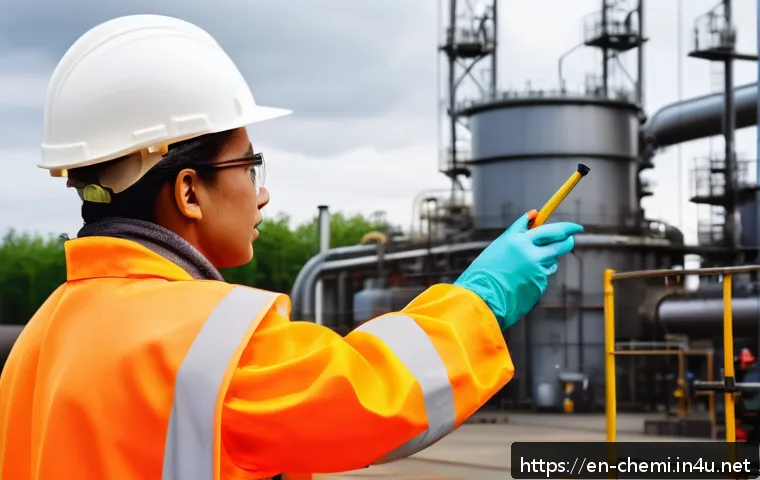
Investing time in practical projects before graduation can pay off financially in the long run by positioning you as a more desirable hire.
Opportunities for Cross-Disciplinary Work
Hands-on experience often exposes you to multiple facets of chemical engineering—from process design to quality control and maintenance. This versatility increases your chances of working on interdisciplinary teams or switching roles within a company, enhancing your career flexibility.
Enhancing Problem-Solving Through Real Challenges
Encountering Unexpected Variables
No two experiments or processes behave exactly the same. Real-world projects introduce variables like equipment wear, raw material inconsistencies, or environmental factors that challenge your assumptions.
Learning to adapt and troubleshoot under these conditions hones your critical thinking far beyond textbook problems.
Balancing Efficiency and Safety
Optimizing a process isn’t just about maximizing output; it’s also about maintaining safety and sustainability. Practical experience teaches you how to strike this balance, often through trial and error, which is essential for responsible engineering practice.
Applying Root Cause Analysis
When things go wrong on-site, finding the root cause quickly is vital. Hands-on projects give you the chance to practice systematic approaches like fishbone diagrams or the 5 Whys method.
This skill not only improves plant performance but also builds your reputation as a reliable problem solver.
Hands-On Experience vs. Virtual Simulations: Complementary Strengths
Limitations of Simulated Environments
While simulations are excellent for visualizing processes and running controlled experiments, they can’t fully replicate the tactile feedback, unexpected equipment responses, or human factors encountered in the field.
For example, a simulated reactor might not warn you about a faulty valve or pressure buildup the way a real system would.
Advantages of Combining Both Approaches
I’ve found that blending simulations with hands-on practice offers the best learning experience. Simulations help you understand theoretical models and process dynamics, while hands-on work reinforces those concepts through real-world application.
This combination prepares you comprehensively for the complexities of modern chemical engineering roles.
Choosing the Right Balance for Your Career
Depending on your career goals, the ideal mix of hands-on and virtual experience might vary. If you aim to become a process engineer, more time on actual plants is invaluable.
However, roles in R&D or process design may benefit from deeper simulation expertise. Knowing your target path helps you tailor your practical learning accordingly.
Summary of Key Benefits of Hands-On Experience
| Benefit | Description | Impact on Career |
|---|---|---|
| Skill Development | Gains in troubleshooting, process control, and safety management through real-world exposure | Improves job readiness and reduces training time |
| Confidence Building | Hands-on success boosts self-assurance in technical decision-making | Enhances interview performance and workplace assertiveness |
| Networking Opportunities | Direct interactions with professionals and mentors during projects | Leads to job referrals and career guidance |
| Career Advancement | Demonstrated competence leads to faster promotions and higher salaries | Accelerates professional growth and earning potential |
| Practical Problem-Solving | Exposure to real process variability and safety challenges | Develops critical thinking and reliability under pressure |
Closing Thoughts
Hands-on experience is the crucial link between academic knowledge and real-world success. It equips you with practical skills, confidence, and industry insight that textbooks alone cannot provide. By actively engaging with real processes and challenges, you position yourself for faster career growth and greater job satisfaction.
Useful Information to Keep in Mind
1. Hands-on experience accelerates learning by exposing you to real equipment and unexpected scenarios that deepen your understanding.
2. Building relationships with professionals during practical projects can open doors to mentorship and job opportunities.
3. Combining virtual simulations with hands-on work creates a comprehensive skill set tailored to various chemical engineering roles.
4. Practical safety training enhances your ability to respond effectively under pressure, a key asset in the industry.
5. Documenting your achievements from hands-on projects strengthens your resume and interview performance.
Key Takeaways
Practical experience not only sharpens technical skills but also cultivates problem-solving abilities and workplace readiness. It builds confidence and professional relationships that are invaluable for career advancement. Balancing hands-on learning with theoretical knowledge ensures you are well-prepared to meet industry demands and thrive in dynamic environments.
Frequently Asked Questions (FAQ) 📖
Q: uestionsQ1: Why is hands-on experience so important in chemical engineering compared to just theoretical knowledge?
A: Hands-on experience bridges the gap between theory and real-world application. While textbooks and lectures provide foundational knowledge, actually working on projects or in labs lets you see how principles play out under real conditions—complete with unexpected challenges.
This practical exposure builds problem-solving skills, adaptability, and confidence, which are crucial when tackling complex industrial problems. Employers highly value candidates who can demonstrate they’ve navigated these real scenarios because it shows readiness to contribute effectively from day one.
Q: How can I gain meaningful hands-on experience if I’m still a student or early in my career?
A: There are several ways to dive into practical work even before landing your dream job. Internships, co-op programs, and research assistantships offer direct involvement with industrial or academic projects.
Participating in student-led engineering clubs, competitions, or open-source projects can also provide valuable experience. If those aren’t available, consider small personal projects or collaborations with professors that simulate real chemical engineering challenges.
The key is to seek opportunities where you can apply theory to tangible problems and document your role and outcomes clearly on your resume.
Q: What specific benefits can hands-on projects bring to my career advancement in chemical engineering?
A: Engaging in hands-on projects accelerates your learning curve and helps you build a portfolio of real achievements. This practical track record often leads to stronger job interviews, as you can discuss concrete examples rather than abstract concepts.
It also expands your professional network through mentors and peers you meet during projects. Moreover, hands-on experience can uncover specialized skills and interests that guide your career path, sometimes opening doors to niche roles or innovative industries that purely academic backgrounds might not access.
From my own experience, actively applying what I learned in labs made me more confident and immediately effective when I started working full-time.