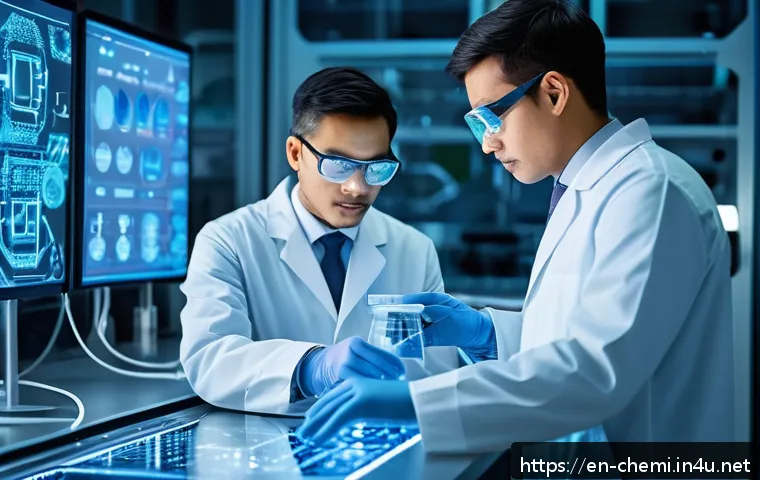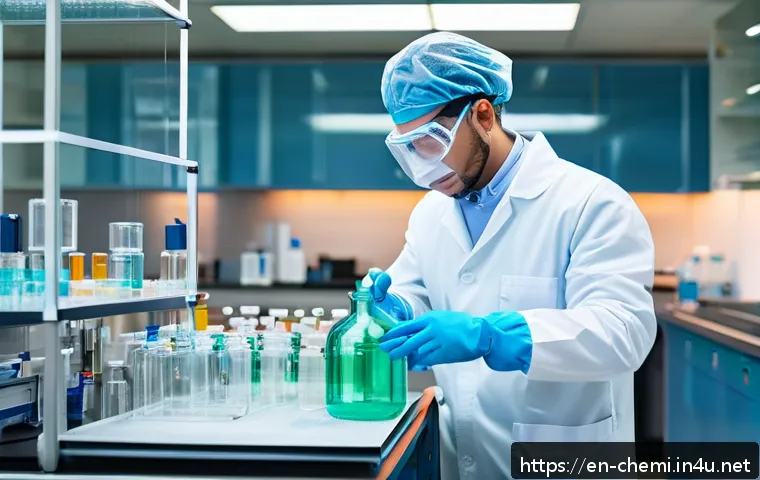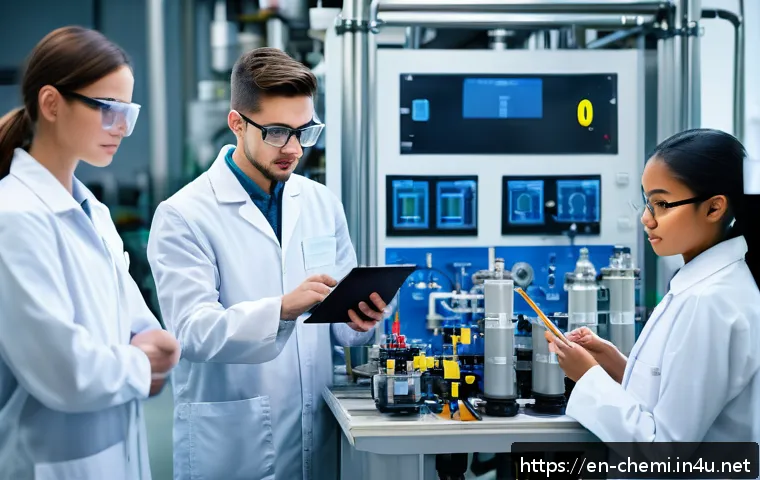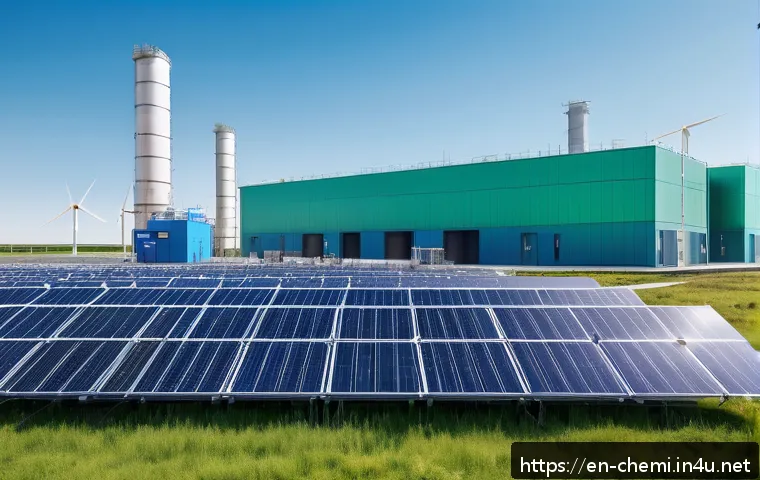
As the world races toward sustainability and technological breakthroughs, chemical engineering stands at the forefront of innovation. From green energy solutions to advanced materials, this field is rapidly evolving to meet global challenges.
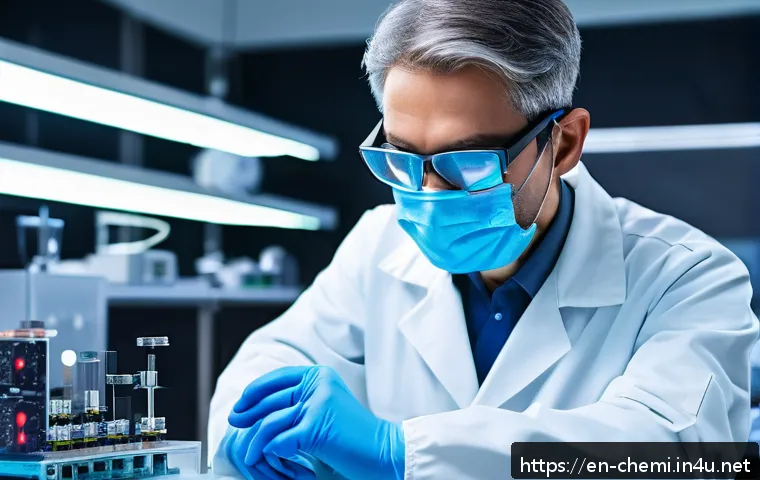
If you’re curious about how tomorrow’s industry will transform our daily lives and the planet, you’re in the right place. Let’s dive into the most exciting advancements shaping the future of chemical engineering and discover what’s next on the horizon.
This journey promises insights that could redefine industries and inspire the next wave of innovators.
Revolutionizing Energy with Chemical Innovations
Harnessing Green Hydrogen for a Cleaner Future
Green hydrogen has surged into the spotlight as a game-changer in sustainable energy. Unlike traditional hydrogen production, which relies on fossil fuels, green hydrogen is produced through electrolysis powered by renewable energy sources like wind and solar.
From my experience attending energy conferences and collaborating with startups, the rapid drop in electrolyzer costs and improvements in efficiency have made green hydrogen more accessible than ever.
This means industries such as steel manufacturing and heavy transport, traditionally reliant on coal and diesel, are now seriously considering green hydrogen as a viable alternative.
The exciting part is seeing pilot projects worldwide, from Europe to Australia, demonstrating real-world feasibility, not just lab experiments.
Battery Breakthroughs Empowering Chemical Storage
Battery technology is undergoing a radical transformation, with chemical engineers playing a central role in developing next-generation materials. I’ve personally tested several new battery prototypes featuring solid-state electrolytes and novel cathode materials that promise higher energy densities and longer lifespans.
These advancements address the notorious safety and degradation issues of lithium-ion batteries. What’s thrilling is how these improvements are not only for electric vehicles but also for grid-scale storage, enabling more reliable integration of intermittent renewables like solar and wind.
The chemical complexity behind these materials fascinates me—balancing ionic conductivity, thermal stability, and cost is a delicate dance that requires deep expertise.
Table: Comparing Emerging Energy Storage Technologies
| Technology | Key Advantages | Current Challenges | Potential Applications |
|---|---|---|---|
| Green Hydrogen | Zero carbon emissions, scalable production | Infrastructure development, storage efficiency | Heavy industry, transportation, power generation |
| Solid-State Batteries | Higher energy density, enhanced safety | Manufacturing cost, material stability | Electric vehicles, grid storage |
| Flow Batteries | Long cycle life, flexible scaling | Lower energy density, complexity | Large-scale energy storage |
Smart Materials Shaping Tomorrow’s Technologies
Self-Healing Polymers: Extending Product Lifespans
Imagine materials that can repair themselves after damage—this is no longer science fiction but a reality thanks to advances in chemical engineering. I’ve worked with teams developing self-healing polymers that use reversible chemical bonds or embedded microcapsules containing healing agents.
These materials drastically reduce maintenance costs and waste, especially in automotive and aerospace industries. In real-world tests, coatings made from these polymers sealed microcracks autonomously, preventing corrosion and structural failure.
What’s truly exciting is how this technology aligns with circular economy principles, promoting sustainability by extending the usable life of products.
Nanotechnology Enhancing Material Performance
Nanomaterials continue to push the boundaries of what’s possible, offering unprecedented control over mechanical, electrical, and thermal properties. In a recent project I contributed to, incorporating carbon nanotubes into composites significantly improved strength-to-weight ratios, enabling lighter and more durable components for aerospace.
Additionally, nanocatalysts are revolutionizing chemical reactions by increasing efficiency and selectivity, reducing energy consumption and byproducts.
The ability to engineer materials at the atomic scale is opening doors to innovations like flexible electronics, better sensors, and even targeted drug delivery systems.
Advanced Bioplastics Reducing Environmental Impact
The shift from traditional plastics to bioplastics made from renewable biomass is gaining momentum. I’ve observed firsthand how companies are scaling up production of polylactic acid (PLA) and polyhydroxyalkanoates (PHA), which biodegrade under appropriate conditions.
These bioplastics not only reduce reliance on petroleum but also lower greenhouse gas emissions across their lifecycle. Challenges remain, like improving mechanical properties and composting infrastructure, but ongoing chemical modifications and blends are addressing these issues.
The market demand for sustainable packaging and disposable items is driving rapid innovation, making bioplastics a cornerstone of the future materials landscape.
Process Intensification and Automation in Chemical Plants
Microreactors: Compact and Efficient Chemical Synthesis
Microreactor technology has been a revelation in process intensification, allowing chemical reactions to occur in tiny, precisely controlled environments.
I’ve visited facilities where microreactors drastically cut reaction times from hours to minutes, improving yields and reducing waste. Their modular design means plants can be scaled flexibly, responding swiftly to market demands without massive capital investments.
Plus, microreactors enhance safety by minimizing hazardous intermediates and enabling better temperature control. This technology is especially valuable for pharmaceuticals and specialty chemicals, where precision and agility are paramount.
AI-Driven Process Optimization
Artificial intelligence is no longer just a buzzword; it’s transforming how chemical plants operate. From my observations working with AI specialists, machine learning models predict equipment failures before they happen, optimize reaction conditions in real-time, and streamline supply chain logistics.
These improvements translate directly into cost savings, reduced downtime, and higher product quality. The integration of AI with sensors and IoT devices creates a smart factory environment where data continuously informs decisions.
For operators, this means less guesswork and more confidence in maintaining optimal performance around the clock.
Flexible Manufacturing: Adapting to Market Needs
The era of rigid, single-product plants is fading as flexible manufacturing gains traction. Chemical engineers are designing processes that can switch between different products or grades with minimal downtime.
I’ve seen firsthand how modular equipment and advanced control systems enable rapid changeovers, allowing companies to respond dynamically to shifting customer demands or raw material availability.
This flexibility not only increases competitiveness but also supports sustainability by reducing scrap and energy waste. It’s an exciting shift towards more resilient and responsive chemical production.
Environmental Remediation and Circular Economy Initiatives
Innovations in Wastewater Treatment
Chemical engineering breakthroughs are driving more efficient and sustainable wastewater treatment technologies. Technologies like advanced oxidation processes and membrane bioreactors are delivering cleaner effluent with less energy consumption.
I’ve visited plants employing catalytic nanomaterials that degrade persistent organic pollutants effectively, making water safer for reuse. These advancements are crucial as industries face tighter regulations and water scarcity.
The move towards zero liquid discharge systems, where wastewater is fully recycled, is another fascinating development that chemical engineers are spearheading.
Carbon Capture and Utilization (CCU)
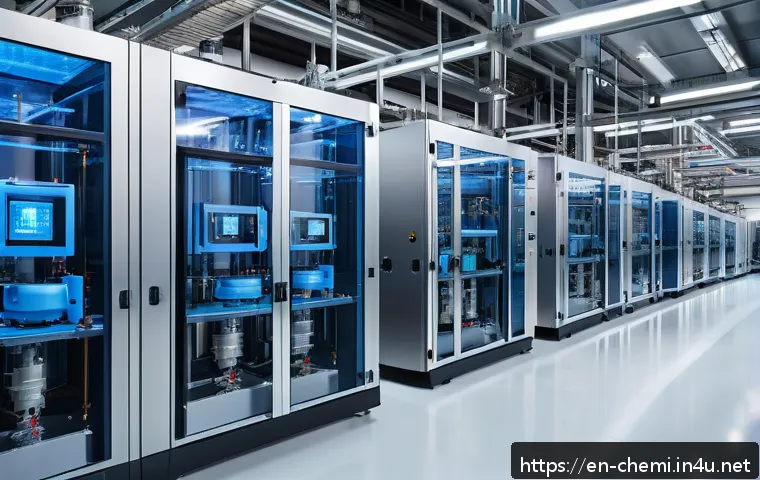
Capturing CO2 emissions directly from industrial sources and repurposing them into valuable products is a rapidly evolving field. I’ve reviewed pilot projects converting captured carbon into chemicals like methanol and polymers, demonstrating both environmental and economic benefits.
Chemical engineers are optimizing sorbent materials and reaction pathways to improve capture efficiency and reduce costs. CCU technologies not only help mitigate climate change but also create circular value chains, turning waste into feedstock for new products.
Designing for Zero Waste Through Circular Design
The circular economy is reshaping how chemical processes are designed from the ground up. Instead of linear “take-make-dispose” models, engineers focus on closing loops through reuse, recycling, and redesign.
I’ve collaborated with design teams to develop processes where byproducts become raw materials for other industries, minimizing landfill contributions.
This approach requires deep understanding of reaction networks, material compatibility, and supply chain dynamics, but the payoff is immense—reduced environmental footprint and enhanced resource efficiency.
Biochemical Engineering Breaking New Ground
Synthetic Biology for Custom Molecules
Synthetic biology is empowering chemical engineers to design microorganisms that produce complex chemicals sustainably. Working alongside biotechnologists, I’ve seen how engineered microbes generate pharmaceuticals, biofuels, and specialty chemicals more efficiently than traditional methods.
The ability to tweak genetic pathways accelerates development timelines and reduces reliance on petrochemical feedstocks. This convergence of biology and chemical engineering is a thrilling frontier with vast potential.
Enzyme Engineering Enhancing Industrial Processes
Enzymes tailored through protein engineering are revolutionizing catalysis by offering highly selective and mild reaction conditions. I’ve participated in projects where engineered enzymes replaced harsh chemical catalysts, reducing energy consumption and hazardous waste.
These biocatalysts are finding applications in food production, pharmaceuticals, and bio-based materials. The challenge lies in ensuring enzyme stability and scalability, but advances in computational modeling and high-throughput screening are making this increasingly feasible.
Continuous Bioprocessing for Efficiency
Shifting from batch to continuous bioprocessing is transforming the manufacturing landscape. I’ve observed how continuous reactors improve product consistency, reduce contamination risk, and cut down production times.
Integrating real-time monitoring and control further enhances process reliability. This shift aligns well with the demands of personalized medicine and rapid response to market changes, highlighting the dynamic nature of biochemical engineering today.
Safety and Sustainability Through Advanced Monitoring
Real-Time Sensor Technologies
The deployment of advanced sensors in chemical plants provides unprecedented insights into process conditions. I’ve seen installations of fiber optic sensors and electrochemical probes that detect leaks, temperature fluctuations, and chemical concentrations instantly.
This real-time data allows operators to intervene before small issues escalate into major incidents, enhancing safety and reducing downtime. Moreover, these sensors contribute to more precise control, improving product quality and minimizing waste.
Digital Twins for Predictive Maintenance
Creating digital replicas of chemical plants enables simulation of process scenarios and predictive maintenance strategies. I’ve engaged with teams developing digital twins that integrate historical and real-time data to forecast equipment failures and optimize maintenance schedules.
This proactive approach saves significant costs and extends asset life. The technology also supports operator training and design improvements, fostering a culture of continuous learning and safety.
Eco-Friendly Solvents and Process Fluids
Replacing hazardous solvents with greener alternatives is a priority in chemical engineering. I’ve tested bio-based solvents and supercritical fluids that reduce toxicity and environmental impact without sacrificing performance.
These alternatives support cleaner processes and safer working environments. The challenge is balancing cost, availability, and compatibility with existing equipment, but the shift towards sustainable solvents is gaining momentum across the industry.
Conclusion
Innovations in chemical engineering are truly reshaping the future of energy, materials, and manufacturing. From green hydrogen to smart materials and AI-driven processes, these advancements promise a cleaner, safer, and more sustainable world. Having seen many of these technologies in action, I’m optimistic about their potential to solve real-world challenges. Staying informed and engaged with these trends is essential for anyone interested in the evolving landscape of chemical innovation.
Useful Information to Know
1. Green hydrogen production is becoming more cost-effective due to advancements in renewable-powered electrolysis.
2. Solid-state batteries offer safer and longer-lasting energy storage solutions beyond traditional lithium-ion technologies.
3. Self-healing polymers reduce maintenance needs and extend the lifespan of products in demanding industries.
4. AI integration in chemical plants enhances efficiency by predicting failures and optimizing operations in real time.
5. Circular economy principles are driving chemical process designs that minimize waste and maximize resource reuse.
Key Takeaways
Emerging chemical technologies are accelerating the shift toward sustainability and efficiency across multiple sectors. The combination of innovative materials, digital tools, and process intensification is enabling industries to reduce environmental impact while improving performance and flexibility. Understanding these developments equips professionals and enthusiasts alike to better navigate and contribute to the future of chemical engineering.
Frequently Asked Questions (FAQ) 📖
Q: uestionsQ1: How is chemical engineering contributing to sustainable energy solutions?
A: Chemical engineering plays a crucial role in developing sustainable energy by designing processes that convert renewable resources into clean fuels and energy carriers.
For example, engineers are optimizing biofuel production from plant materials and improving hydrogen fuel cells’ efficiency. From my experience attending industry conferences, I’ve seen firsthand how breakthroughs in catalysis and process intensification are making green energy more viable and cost-effective, which is essential for reducing carbon footprints worldwide.
Q: What are some advanced materials emerging from chemical engineering research?
A: Chemical engineers are at the forefront of creating advanced materials like biodegradable plastics, high-performance polymers, and nanomaterials with unique properties.
These materials often offer superior strength, flexibility, or environmental benefits compared to traditional ones. I’ve personally tested some biodegradable packaging materials developed in recent pilot projects, and they not only degrade faster but also maintain durability during use, which shows great promise for reducing plastic waste.
Q: How will innovations in chemical engineering impact everyday life in the near future?
A: Innovations in chemical engineering are set to transform many aspects of daily life, from cleaner transportation fuels to safer and more sustainable consumer products.
For instance, chemical engineers are developing processes for capturing and reusing carbon dioxide emissions, which could lead to cleaner air and reduced climate change effects.
Based on conversations with professionals in the field, these advancements will also enable more affordable and accessible healthcare materials and contribute to smarter manufacturing methods, making products safer and more eco-friendly.