Effective communication in chemical engineering workplaces is more than just exchanging information—it’s about fostering collaboration, ensuring safety, and driving innovation.
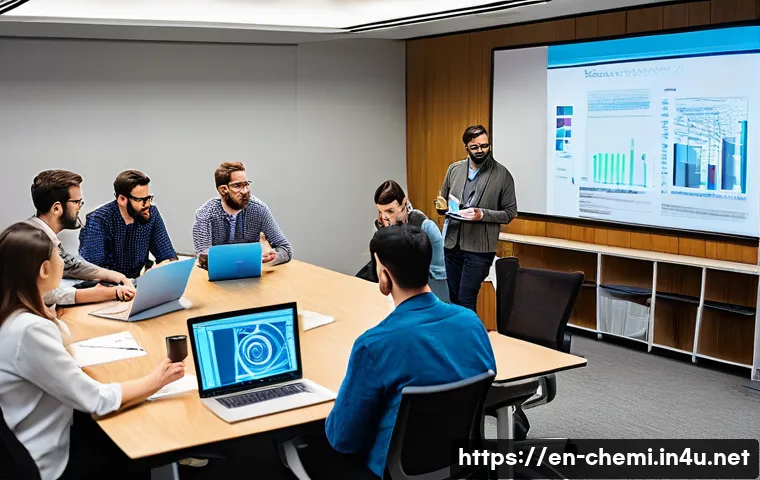
In an environment where complex processes and technical details abound, clear dialogue can prevent costly errors and streamline project outcomes. From cross-functional teams to management discussions, mastering workplace communication plays a critical role in career growth and operational success.
I’ve seen firsthand how even small improvements in communication can lead to smoother workflows and stronger team dynamics. Let’s dive deeper and explore how to enhance communication skills tailored specifically for chemical engineers.
We’ll break it down and get into the details you need to know!
Building Trust Through Transparent Communication
Why Transparency Matters in Chemical Engineering Teams
In the high-stakes world of chemical engineering, transparency isn’t just a buzzword—it’s a necessity. When team members openly share information, it builds trust that the entire project can rely on.
For example, during process design reviews, openly discussing potential risks rather than sweeping them under the rug can prevent costly accidents. From my experience, teams that foster transparent communication tend to tackle problems faster and innovate more confidently, because no one is second-guessing hidden agendas or missing details.
Practical Ways to Foster Openness
One straightforward tactic is to establish regular check-ins where everyone can voice concerns without judgment. I’ve seen this work wonders when junior engineers feel comfortable flagging issues early, which prevents small problems from snowballing.
Another effective method is using shared digital platforms for updates and feedback, ensuring everyone stays aligned regardless of shift or location. Encouraging questions and acknowledging mistakes openly also helps normalize transparency, creating a culture where continuous improvement thrives.
Handling Difficult Conversations with Empathy
Difficult conversations—like addressing safety lapses or performance issues—can be nerve-wracking but are crucial. Approaching these talks with empathy rather than blame makes a huge difference.
When I had to discuss a near-miss incident with a colleague, framing the conversation around “how can we improve together” rather than “who’s at fault” led to a more constructive outcome.
Active listening, validating feelings, and focusing on solutions rather than problems create an environment where tough topics can be addressed without escalating tensions.
Mastering Technical Jargon for Clearer Collaboration
Balancing Technical Detail and Accessibility
Chemical engineering is full of complex terminology, but overloading conversations with jargon can alienate team members who aren’t specialists in that exact subfield.
I’ve learned that tailoring your language to your audience—whether operators, project managers, or clients—is key. For instance, when explaining process changes to operators, simplifying terms and using analogies helps ensure everyone understands and can contribute meaningfully.
This balance reduces miscommunication and helps teams move forward more efficiently.
Using Visual Aids to Enhance Understanding
Sometimes words aren’t enough, especially when explaining intricate chemical processes. Incorporating diagrams, flowcharts, or even 3D models can bridge gaps in understanding.
I’ve found that visual tools not only clarify complex concepts but also keep meetings engaging and inclusive. When a recent project involved redesigning a reactor system, using detailed schematics allowed cross-functional teams to quickly grasp the proposed changes and provide valuable input.
Creating Shared Glossaries for Consistency
In larger teams or multi-company projects, inconsistent use of terminology can cause confusion. Developing a shared glossary of key terms and acronyms helps everyone stay on the same page.
I’ve been part of projects where this simple step dramatically reduced email back-and-forth and misunderstandings. Maintaining this glossary as a living document, updated regularly, ensures new team members come up to speed quickly and that communication remains clear throughout the project lifecycle.
Enhancing Safety Communication to Prevent Incidents
Embedding Safety into Daily Conversations
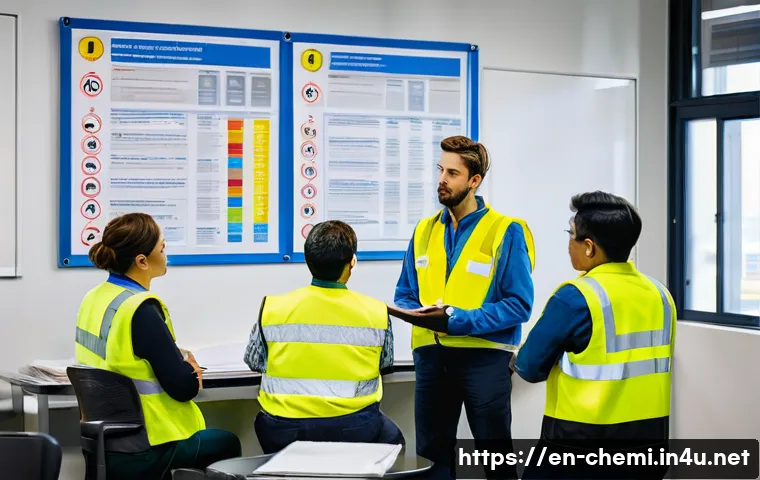
Safety isn’t a one-time training topic; it needs to be woven into everyday communication. I noticed that when safety is casually mentioned in team huddles or shift handovers, it keeps everyone alert and aware.
Sharing real-life examples of near misses or potential hazards keeps the message tangible rather than abstract. This ongoing dialogue creates a safety-first mindset that naturally influences decision-making and actions on the plant floor.
Clear Incident Reporting Channels
Having a straightforward, no-blame process for reporting safety concerns is crucial. If employees fear repercussions, incidents go unreported and risks increase.
I’ve worked in environments where anonymous reporting tools and open-door policies encouraged honest feedback. This transparency allows management to address issues promptly and demonstrate commitment to worker well-being, which in turn fosters greater trust and compliance.
Training Communication Skills for Safety Leaders
Safety officers and supervisors need to be skilled communicators, able to convey urgency without causing panic. Training in clear, calm communication techniques helps these leaders effectively manage emergencies and routine safety briefings.
From personal experience, supervisors who communicate with clarity and empathy tend to get better cooperation and quicker responses during critical situations.
Facilitating Cross-Disciplinary Teamwork
Bridging Gaps Between Engineering Disciplines
Chemical engineering projects often involve mechanical engineers, process engineers, and even IT specialists. Each group has its own language and priorities, which can create communication barriers.
I’ve found that setting common goals and encouraging mutual respect helps bridge these divides. Regular interdisciplinary meetings where everyone explains their perspectives in layman’s terms foster collaboration and innovative problem-solving.
Leveraging Collaborative Technologies
Modern communication tools like project management software and instant messaging platforms can streamline information sharing across disciplines. Using these tools effectively requires some upfront training and agreement on protocols, but once established, they reduce email clutter and speed up decision-making.
In one project, adopting a shared digital workspace cut down on miscommunication and allowed quicker alignment across teams spread across different sites.
Encouraging Informal Interactions
Sometimes the best collaboration happens outside formal meetings. Informal chats—whether over coffee or virtual hangouts—build relationships and trust that translate into smoother teamwork.
I’ve noticed that teams who invest time in casual interactions tend to have fewer misunderstandings and more willingness to help each other when challenges arise.
Optimizing Feedback for Growth and Improvement
Delivering Constructive Feedback Effectively
Giving feedback in a way that motivates rather than discourages is an art. I’ve learned that focusing on specific behaviors and their impact, rather than personal traits, keeps the conversation productive.
For example, instead of saying “You’re careless,” saying “Double-checking data inputs can reduce errors” provides clear guidance without damaging morale.
Timing also matters—giving feedback promptly helps reinforce learning.
Seeking Feedback to Enhance Your Own Skills
Communication isn’t a one-way street. Actively asking for feedback on your communication style can reveal blind spots and areas for improvement. I’ve found that peers and supervisors often provide valuable insights when approached openly.
This habit not only improves your skills but also demonstrates humility and commitment to personal growth, which are respected traits in any professional setting.
Using Feedback to Foster a Culture of Continuous Improvement
When feedback is normalized and encouraged at all levels, it creates a dynamic environment where everyone strives to improve. I’ve seen teams implement regular “retrospectives” after projects to discuss what went well and what could be better.
This collective reflection helps build stronger processes and relationships over time, turning feedback into a powerful tool for ongoing success.
Effective Listening as a Cornerstone of Communication
Active Listening Techniques for Engineers
Listening isn’t just waiting for your turn to speak—it’s fully engaging with the speaker’s message. Techniques like paraphrasing, asking clarifying questions, and showing non-verbal cues demonstrate active listening.
In my experience, practicing these techniques during meetings leads to fewer misunderstandings and stronger rapport among colleagues.
Overcoming Barriers to Listening
Distractions, assumptions, and biases often block effective listening. I’ve caught myself zoning out during lengthy technical presentations, only to miss critical points.
Being mindful of these barriers and consciously focusing attention can significantly improve comprehension. Setting aside devices and mentally preparing to listen actively before meetings helps maintain focus.
Encouraging Listening in Team Culture
Promoting a culture where everyone feels heard encourages participation and innovation. Leaders who model attentive listening inspire their teams to do the same.
I’ve seen how open forums where all voices are welcomed can spark creative solutions and boost morale, especially when quieter team members gain confidence to share their ideas.
| Communication Aspect | Key Benefits | Common Challenges | Practical Tips |
|---|---|---|---|
| Transparency | Builds trust, prevents errors | Fear of blame, withholding info | Regular check-ins, open feedback |
| Technical Language | Ensures clarity, reduces confusion | Overuse of jargon, audience mismatch | Adapt language, use visuals |
| Safety Communication | Prevents incidents, fosters awareness | Underreporting, panic in emergencies | Embed safety talks, train leaders |
| Cross-Disciplinary Collaboration | Drives innovation, improves teamwork | Disciplinary silos, poor info flow | Shared goals, collaborative tools |
| Feedback | Promotes growth, improves processes | Defensiveness, delayed feedback | Be specific, give timely feedback |
| Active Listening | Enhances understanding, builds rapport | Distractions, biases | Practice techniques, foster culture |
글을 마치며
Effective communication is the backbone of successful chemical engineering teams. By embracing transparency, mastering technical language, prioritizing safety, encouraging collaboration, and fostering active listening, teams can overcome challenges and drive innovation. From my own experience, these strategies not only improve project outcomes but also create a more supportive and productive work environment. Investing in communication skills is truly investing in the team’s long-term success.
알아두면 쓸모 있는 정보
1. Regular and open communication reduces misunderstandings and builds trust within teams, which is vital for high-risk environments like chemical engineering.
2. Simplifying technical jargon and using visual aids can significantly enhance understanding among cross-functional team members.
3. Embedding safety discussions into daily routines helps maintain awareness and prevent incidents before they occur.
4. Leveraging collaborative digital tools streamlines information flow and aligns teams working across different locations or disciplines.
5. Constructive feedback and active listening cultivate a culture of continuous improvement and stronger team relationships.
핵심 내용 요약
Transparent communication builds trust and prevents costly errors, especially when handled with empathy during difficult conversations. Tailoring technical language and using shared glossaries ensure clarity for all team members. Safety communication must be ongoing and supported by clear reporting channels and trained leaders. Cross-disciplinary collaboration thrives on mutual respect and effective use of technology, while feedback and active listening are essential for growth and innovation. Prioritizing these communication aspects creates safer, more efficient, and collaborative chemical engineering teams.
Frequently Asked Questions (FAQ) 📖
Q: Why is effective communication particularly important in chemical engineering workplaces?
A: In chemical engineering, the stakes are high because the work involves complex processes, hazardous materials, and intricate technical details. Effective communication ensures that everyone—from operators to engineers to management—understands the procedures, safety protocols, and project goals clearly.
This clarity helps prevent costly mistakes, reduces safety risks, and keeps projects running smoothly. In my experience, when communication breaks down, even small misunderstandings can snowball into significant delays or safety incidents, so mastering clear dialogue is essential for both individual careers and overall operational success.
Q: What are some practical ways chemical engineers can improve their communication skills on the job?
A: One effective approach is to practice active listening, which means fully concentrating on what colleagues are saying rather than just waiting to speak.
I’ve noticed that repeating back key points or asking clarifying questions can dramatically reduce misunderstandings. Another tip is to tailor your communication style depending on your audience—for example, simplifying technical jargon when talking to non-engineers or providing detailed data during team meetings.
Using visual aids like flowcharts or diagrams also helps convey complex information more clearly. Lastly, fostering an open environment where team members feel comfortable sharing ideas or concerns encourages collaboration and innovation.
Q: How does improved communication impact career growth for chemical engineers?
A: Strong communication skills can significantly boost a chemical engineer’s career because they enhance leadership potential and teamwork effectiveness.
When you can clearly articulate ideas, present findings confidently, and negotiate solutions, you stand out as a reliable and influential professional.
From my observations, engineers who communicate well tend to be entrusted with more responsibility, get promoted faster, and are often tapped for cross-functional projects that expose them to new challenges.
Moreover, effective communication builds trust within teams and with management, which is crucial for navigating complex projects and advancing in the field.