
Stepping into the world of chemical engineering isn’t just about mastering complex formulas and innovative processes; it’s also about immersing yourself in a unique corporate culture that shapes everything from daily problem-solving to global impact.
I’ve personally experienced how these dynamic environments, often perceived as purely technical, actually thrive on a fascinating blend of meticulous precision, relentless innovation, and often, incredibly collaborative teamwork.
It’s a field constantly evolving, pushing the boundaries of what’s possible in sustainability and advanced materials, and the culture within these companies truly dictates their success and employee well-being.
So, if you’ve ever been curious about the human element behind the marvels of chemical engineering and how these workplaces truly function, you’ve come to the perfect spot.
Let’s truly unpack what makes these high-impact organizations tick, and how their cultures are adapting to tomorrow’s challenges.
The Precision Playbook: A Day in the Life
Stepping into a chemical engineering firm often feels like entering a meticulously calibrated machine, but don’t let that fool you into thinking it’s cold or impersonal. My earliest days were a whirlwind of understanding protocols, safety measures, and the sheer intellectual horsepower dedicated to every single process. It’s a culture where “good enough” simply doesn’t exist. We’re talking about substances that can be volatile, processes that demand incredible accuracy, and products that impact millions of lives. This isn’t just about following rules; it’s about embodying a mindset where every detail matters. I’ve personally seen how this commitment to precision permeates everything, from the way we design a new catalyst to the way we document a shift handover. It breeds a sense of shared responsibility that’s surprisingly comforting. You quickly learn that your colleagues aren’t just co-workers; they’re your second pair of eyes, your safety net, and often, your co-conspirators in solving some truly head-scratching challenges. It’s exhilarating, honestly.
Meticulous Minds and Methodical Processes
The emphasis on meticulousness in chemical engineering workplaces isn’t just a buzzword; it’s deeply ingrained in every task. From the very first moment you walk in, you sense an atmosphere of careful consideration, almost a reverence for the scientific method. I remember a particularly intense project where even a minor deviation in temperature could compromise an entire batch of a crucial pharmaceutical ingredient. The team’s dedication to monitoring, adjusting, and re-checking every single parameter was awe-inspiring. It wasn’t just about the technology; it was about the human vigilance, the constant cross-verification, and the open communication when something seemed even slightly off. This level of methodical process creates an environment where trust is paramount, knowing that everyone is operating with the same high standards and attention to detail. It truly makes you feel like you’re part of something bigger than yourself, where collective effort safeguards quality and success.
Problem-Solving as a Shared Sport
What I’ve come to love about this culture is how problem-solving isn’t seen as a chore, but rather a dynamic, shared sport. When an issue arises, it’s not about finding blame; it’s about quickly identifying the root cause and collectively brainstorming solutions. I recall a moment when a critical pump unexpectedly failed in the middle of a complex reaction. Instead of panic, there was an immediate, calm mobilization of the team. Engineers from different departments, technicians, and even management, all converged to diagnose the problem. The air buzzed with ideas, hypotheses, and quick calculations. It was a beautiful display of collective intelligence and resourcefulness. This spirit of collaborative troubleshooting means that even the most daunting challenges feel surmountable because you know you’re never facing them alone. It cultivates a sense of camaraderie that makes the demanding work not just tolerable, but genuinely engaging.
Innovation Engines: Fueling Tomorrow’s Solutions
If there’s one thing that truly ignites the spirit in a chemical engineering company, it’s the relentless pursuit of innovation. This isn’t just about making incremental improvements; it’s about fundamentally rethinking how we create, how we produce, and how we impact the world. The corporate culture here thrives on curiosity and a daring willingness to challenge the status quo. I’ve been fortunate enough to be part of discussions where ideas, seemingly outlandish at first, eventually blossomed into groundbreaking projects. There’s a tangible buzz in the air when a new research initiative kicks off, a sense of collective excitement and anticipation for what might be discovered. It’s less about a top-down mandate for innovation and more about a grassroots hunger to push boundaries, driven by engineers and scientists who genuinely believe in the power of their work to shape a better future. This pervasive innovative spirit is contagious and incredibly motivating, making every day feel like a step towards something new and impactful.
The Thrill of Research and Development
Working in R&D within chemical engineering is, for me, one of the most intellectually stimulating experiences imaginable. It’s where theories meet reality, and where a tiny tweak can unlock massive potential. The culture actively encourages experimentation and, importantly, learning from failure. I vividly remember countless late nights in the lab, meticulously adjusting parameters, sometimes feeling like we were chasing ghosts. But then, there’s that moment—that tiny flicker of success, that unexpected result that points to a breakthrough. The celebration among the team, the high-fives, the shared exhaustion turning into pure exhilaration—it’s a powerful bonding experience. Companies understand that true innovation doesn’t come without risks, and they often provide the resources and freedom necessary for engineers to truly explore. This supportive environment for R&D is what keeps the industry moving forward, and it’s a huge draw for anyone who loves to solve complex puzzles and create something entirely new.
Continuous Improvement: A Way of Life
Beyond the grand innovations, there’s a deeply ingrained culture of continuous improvement in every corner of these companies. It’s not just for the R&D folks; it’s for everyone. From refining existing processes to optimizing energy consumption in a plant, the mindset is always, “How can we do this better, more efficiently, more sustainably?” I’ve seen teams dedicate weeks to shaving mere seconds off a production cycle or finding a way to reduce waste by a fraction of a percent, knowing that these small improvements collectively translate into massive gains. There are regular meetings, often informal, where ideas for improvement are openly discussed and critically evaluated. It fosters a sense of ownership among employees, where everyone feels empowered to contribute to the company’s progress. This dedication to constant refinement isn’t just about the bottom line; it’s about pride in craftsmanship and a collective drive towards excellence that I find genuinely inspiring. It’s a testament to the fact that even in highly established processes, there’s always room to grow and evolve.
Teamwork in the Reactor: Collaboration is Key
The sheer complexity of modern chemical engineering projects means that no single individual can operate in a vacuum. The corporate culture I’ve experienced is fundamentally built on intense, interdisciplinary teamwork. Imagine a giant, intricate puzzle where each department holds a crucial piece, and it’s only by seamlessly fitting those pieces together that the full picture emerges. From process engineers collaborating with mechanical specialists, to chemists working alongside environmental safety experts, communication lines are constantly buzzing. It’s not just about shared tasks; it’s about shared understanding, shared goals, and a shared responsibility for safety and success. I’ve personally seen how the synergy of diverse perspectives can crack open problems that seemed intractable when viewed from a single disciplinary lens. This collective intelligence is a cornerstone of how these organizations function, making the daily grind less about individual heroics and more about collective achievement. It fosters a genuine sense of camaraderie, where everyone genuinely supports each other.
Interdisciplinary Harmony in Action
One of the most remarkable aspects of working in this field is witnessing interdisciplinary harmony in action. You might have a materials scientist explaining the intricate properties of a new polymer to a manufacturing engineer, who then translates that into practical production parameters for a plant operator. Or a chemical engineer might be sketching out a new reaction pathway, only to have a safety engineer immediately jump in with crucial considerations about exothermic risks or containment protocols. I remember one particularly challenging scale-up project where we had electrical engineers, mechanical engineers, chemical engineers, and even statisticians all working side-by-side, each contributing their unique expertise. The discussions were intense, sometimes even heated, but always constructive, driven by a mutual respect for each other’s specialized knowledge. This kind of dynamic collaboration isn’t just encouraged; it’s absolutely essential for navigating the multi-faceted challenges that are inherent in developing and producing complex chemical products.
Safety First, Always
If there’s one cultural tenet that stands above all others in chemical engineering, it’s an unwavering commitment to safety. This isn’t just a regulatory requirement; it’s a deeply ingrained value, a fundamental part of the corporate DNA. From the moment you step foot on a site, you’re enveloped in a culture where safety is constantly discussed, evaluated, and prioritized. I’ve participated in countless safety briefings, hazard assessments, and near-miss reviews, and what always strikes me is the genuine concern for every individual’s well-being. Colleagues aren’t afraid to politely, but firmly, call out a potential unsafe act, and it’s always received with gratitude, never defensiveness. This pervasive “safety first” mentality fosters an environment of mutual care and vigilance, where everyone is empowered to act as a guardian for themselves and for others. It’s not just about avoiding accidents; it’s about creating a workplace where everyone feels secure and valued, knowing that their company truly prioritizes their health and welfare above all else.
Beyond the Beaker: Sustainability and Ethics
The chemical engineering industry is at a fascinating crossroads, moving rapidly beyond its traditional focus on pure production to embrace a profound responsibility towards sustainability and ethical practices. What I’ve observed is a powerful cultural shift, driven by both internal conviction and external pressures, where environmental stewardship and social impact are now core to business strategy. It’s no longer enough to just create a product; companies are actively striving to create it responsibly, minimize waste, reduce energy consumption, and explore circular economy models. This isn’t just a marketing ploy; it’s a deep-seated commitment that shapes R&D initiatives, manufacturing processes, and even supply chain decisions. I’ve felt a genuine sense of pride participating in projects aimed at developing biodegradable plastics or processes that significantly cut down on greenhouse gas emissions. This cultural evolution shows a growing awareness that our impact extends far beyond the immediate confines of the factory, influencing communities and the planet for generations to come. It truly feels like we’re part of a movement to re-engineer not just chemicals, but our relationship with the environment.
Driving Environmental Stewardship
I’ve seen firsthand how chemical engineering companies are increasingly becoming powerful drivers of environmental stewardship. The culture often encourages engineers to seek out innovative ways to minimize ecological footprints. This goes far beyond just meeting compliance standards; it’s about proactively reducing waste, optimizing resource usage, and developing cleaner alternatives. I remember a particularly intense project where our team was tasked with finding a way to reuse a byproduct that was previously disposed of as hazardous waste. The engineers approached it like a complex puzzle, fueled by a desire not just to save costs, but to do right by the environment. The joy when we finally cracked the code, transforming a waste stream into a valuable raw material, was immense. This cultural push towards sustainability isn’t just about corporate policy; it’s about passionate individuals within the organization who genuinely care about leaving a healthier planet for future generations. It’s inspiring to see how deeply ingrained this ethos has become, guiding everyday decisions and long-term strategic planning.
Ethical Innovations and Social Responsibility
Beyond environmental concerns, there’s a strong undercurrent of ethical innovation and social responsibility woven into the fabric of chemical engineering corporate culture. This means considering the broader societal impact of our work, from the safety of our products to the fairness of our supply chains. I’ve participated in discussions about the ethical implications of certain chemical processes, and how to ensure that our advancements benefit everyone, not just a select few. Companies are increasingly transparent about their practices, engaging with local communities and striving to be good corporate citizens. There’s a palpable sense of accountability, knowing that the materials and technologies we develop have far-reaching consequences. This focus on ethical considerations is crucial, especially in an industry that has such a profound influence on daily life. It fosters a culture where engineers aren’t just technical experts, but also thoughtful contributors to societal well-being, constantly weighing the potential benefits against any potential risks. It’s a heavy but ultimately rewarding responsibility.
Navigating the Global Lab: International Dynamics
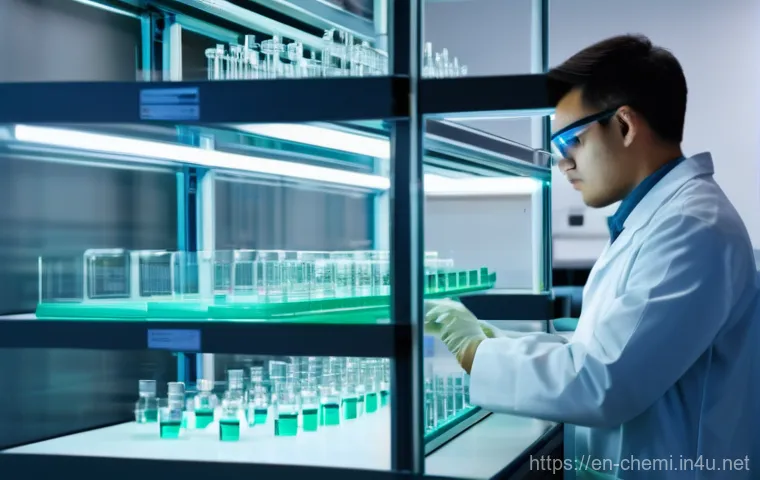
Working in chemical engineering often means being part of a truly global enterprise. The corporate culture, therefore, frequently encompasses a fascinating blend of international dynamics, demanding not just technical prowess but also strong cross-cultural understanding. I’ve had the incredible opportunity to collaborate with teams spanning continents, from engineers in Germany fine-tuning a reaction process to researchers in Japan developing new catalysts. It’s a culture where geographical boundaries often dissolve, replaced by a shared language of science and a common pursuit of innovation. What truly struck me was how adaptable and open-minded everyone needed to be. Different time zones, varying communication styles, and unique cultural norms all come into play, requiring patience, empathy, and a willingness to learn from one another. This global tapestry makes the work incredibly rich and diverse, offering perspectives that you simply wouldn’t gain in a purely local context. It pushes you to think bigger, to understand broader market needs, and to appreciate the universal power of collaboration.
Cross-Cultural Collaboration Challenges and Triumphs
My experiences with cross-cultural collaboration have been both challenging and incredibly rewarding. I remember a specific project involving a team spread across Houston, Frankfurt, and Singapore. The initial phase was tough; subtle communication differences led to some misunderstandings, and coordinating meetings across such vast time zones felt like a logistical nightmare. However, what emerged from these initial hurdles was a remarkable resilience and a shared commitment to making it work. We learned to be incredibly explicit in our communication, embraced new digital tools for seamless collaboration, and even started sharing snippets of our daily lives to build rapport. It felt like we were building a mini-global community within the project. The triumph wasn’t just in the successful completion of the project, but in the deep understanding and respect we developed for each other’s cultures and working styles. This kind of experience truly broadens your horizons, proving that dedication and openness can bridge any cultural divide, and it’s a common thread in today’s multinational chemical companies.
Adapting to Diverse Market Needs
The global nature of chemical engineering also means a corporate culture that is acutely aware of and highly adaptable to diverse market needs. What works in North America might not be suitable for Southeast Asia, whether due to local regulations, economic conditions, or even cultural preferences for certain products. This requires engineers and business strategists alike to develop a nuanced understanding of different regions. I’ve been involved in market research for new product launches where we had to completely re-evaluate our approach based on feedback from local teams. It’s not just about translating product labels; it’s about understanding consumer behavior, supply chain intricacies, and local manufacturing capabilities. This adaptability often shapes R&D priorities and strategic investments. It fosters a culture of constant learning and flexibility, ensuring that companies remain relevant and competitive across a multitude of international landscapes. It’s a dynamic environment that constantly challenges you to think globally while acting locally.
Career Catalysts: Growth and Development
For anyone looking to build a substantial career, the chemical engineering corporate culture is often a powerful catalyst for growth and development. It’s not a field where you simply clock in and out; it’s one that actively invests in its people, recognizing that continuous learning is paramount in such a rapidly evolving industry. From formal training programs that delve into advanced analytical techniques to mentorship opportunities with seasoned veterans, the emphasis is clearly on fostering expertise and expanding skill sets. I’ve personally benefited from internal workshops on process optimization software and leadership development courses that felt incredibly tailored to the specific challenges of our industry. There’s a palpable sense that your professional journey is valued, and companies genuinely want to see you succeed. This supportive environment for learning means that stagnation is rarely an issue; there’s always a new challenge to tackle, a new technology to master, or a new role to aspire to. It makes for a truly dynamic and engaging career path, where your intellectual curiosity is constantly fed and rewarded.
Lifelong Learning and Skill Enhancement
The imperative for lifelong learning is deeply embedded in the chemical engineering corporate culture. With new materials, processes, and regulatory requirements constantly emerging, staying current isn’t just an advantage; it’s a necessity. Companies often provide a wealth of resources, from access to industry conferences and online learning platforms to internal seminars led by subject matter experts. I remember feeling a bit overwhelmed by the sheer volume of new information when I first started, but the culture actively encouraged asking questions and seeking out knowledge. There’s a real appreciation for intellectual curiosity. I’ve found that my colleagues are always eager to share their insights and help me grapple with complex concepts. This collective commitment to skill enhancement ensures that professionals in this field remain at the cutting edge, continually honing their expertise and adapting to technological advancements. It creates a stimulating intellectual environment where personal and professional growth go hand-in-hand, a truly invigorating aspect of the industry.
Mentorship and Career Pathways
One of the most valuable aspects of the chemical engineering corporate culture, in my experience, is the robust system of mentorship and clear career pathways. It’s not uncommon for new hires to be paired with experienced engineers who act as guides, sharing their wisdom, offering advice, and helping navigate the intricacies of the company and the industry. I was incredibly fortunate to have a mentor who not only taught me the technical ropes but also shared invaluable insights into career planning and leadership. These relationships are often organic and incredibly impactful. Furthermore, many companies have well-defined career ladders, illustrating how an engineer can progress from an entry-level role to a senior technical specialist, project manager, or even executive leadership. This clarity, combined with targeted development programs, instills confidence and provides a roadmap for ambitious professionals. It’s truly empowering to see how your dedication and hard work can lead to tangible advancements, offering a sense of purpose and long-term engagement.
Work-Life Balance in a High-Stakes Industry
Let’s be real: chemical engineering can be a demanding field. The high stakes, the complex projects, and sometimes the round-the-clock nature of manufacturing mean that work-life balance is a topic often discussed within corporate culture. However, what I’ve found is a growing recognition that sustainable performance comes from sustainable employees. While there will always be periods of intense effort, many companies are actively working to foster an environment where employees can thrive both professionally and personally. This isn’t just about offering flexible hours or more vacation time; it’s about promoting a culture where taking breaks is encouraged, where mental well-being is prioritized, and where boundaries are respected. I’ve seen a noticeable shift in recent years, with more open conversations about avoiding burnout and supporting colleagues who might be feeling the pressure. It’s a testament to the fact that forward-thinking companies understand that their greatest asset is their people, and ensuring their well-being ultimately leads to greater productivity and job satisfaction. It’s still a work in progress in many places, but the commitment is definitely there.
Navigating Demanding Schedules
Working in chemical engineering, especially in manufacturing or R&D, can sometimes mean navigating demanding schedules. Project deadlines, unexpected operational issues, or critical experiments often require extended hours. I’ve certainly had my share of late nights, fueled by coffee and a shared determination with my team to get things done. What makes this manageable, however, is a supportive corporate culture that recognizes these demands and works to mitigate their impact. Many companies now offer flexible working arrangements, compressed workweeks, or generous compensatory time off. More importantly, there’s a collective understanding that these intense periods are often temporary, and that taking time to recharge is crucial. It’s not seen as a weakness to step away and decompress; it’s seen as essential for long-term effectiveness. This mutual understanding and flexibility are vital for maintaining morale and ensuring that the passion for the work doesn’t lead to unsustainable burnout. It’s a delicate balance, but one that is increasingly being acknowledged and addressed.
Prioritizing Well-being and Mental Health
Perhaps one of the most positive shifts I’ve witnessed in chemical engineering corporate culture is the increasing prioritization of employee well-being and mental health. Historically, industries like ours might have tacitly encouraged a “tough it out” mentality, but that’s rapidly changing. Companies are now implementing comprehensive employee assistance programs, offering mental health resources, and even organizing wellness initiatives. There’s a growing openness to discussing stress and anxiety, and a genuine effort to destigmatize seeking help. I’ve seen managers actively encourage their teams to take mental health days or to simply step away from their desks for a walk. This shift is incredibly important because it acknowledges that our best work comes from a place of health and balance, not exhaustion. It’s still an ongoing journey, but the cultural move towards openly supporting the holistic well-being of employees is a welcome and much-needed development, creating a more compassionate and understanding workplace for everyone. It shows true care for the people behind the processes.
| Cultural Aspect | Impact on Chemical Engineers | Company Benefit |
|---|---|---|
| Precision and Meticulousness | Develops keen eye for detail, strong analytical skills, high accountability. | Ensures product quality, reduces errors, enhances safety. |
| Innovation and R&D Focus | Fosters creativity, problem-solving, continuous learning, intellectual stimulation. | Leads to new products, process efficiencies, market leadership, competitive edge. |
| Interdisciplinary Teamwork | Enhances communication, collaboration, understanding of diverse perspectives. | Accelerates project completion, solves complex problems, improves overall efficiency. |
| Safety-First Ethos | Promotes vigilance, responsibility, adherence to protocols, mutual care. | Minimizes accidents, protects employees, ensures regulatory compliance, builds trust. |
| Sustainability Commitment | Encourages eco-conscious design, waste reduction, ethical considerations. | Improves brand reputation, meets regulatory demands, reduces environmental footprint. |
| Global Collaboration | Develops cross-cultural communication, adaptability, broader market understanding. | Expands market reach, leverages diverse talent, fosters international partnerships. |
| Investment in Development | Facilitates continuous learning, skill enhancement, clear career progression. | Retains top talent, builds internal expertise, drives organizational growth. |
Closing Thoughts
Diving into the corporate culture of chemical engineering has been an absolute journey, revealing a world far more dynamic and deeply human than many might imagine. It’s a field where the pursuit of precision and groundbreaking innovation goes hand-in-hand with an unwavering commitment to safety, sustainability, and genuine collaboration. What truly stands out, after all these years, is the collective spirit – the way brilliant minds come together to solve some of the world’s most pressing challenges. This isn’t just about chemicals; it’s about people, passion, and purpose. It’s truly inspiring to be a part of it.
Useful Information to Know
1. Networking is Your Superpower: Seriously, don’t underestimate the power of building connections. Attend industry events, join professional organizations, and connect on LinkedIn. The chemical engineering world is vast, but surprisingly tight-knit, and you never know where your next opportunity or a crucial piece of advice will come from. I’ve personally seen doors open simply because I knew “a guy who knew a guy.” It’s not just about getting a job; it’s about shared knowledge and support that makes the tough days easier.
2. Soft Skills Are Non-Negotiable: While your technical expertise is fundamental, don’t forget communication, teamwork, and problem-solving. Being able to explain complex ideas clearly, collaborate effectively with diverse teams, and think critically under pressure are skills that will elevate you far beyond just your academic qualifications. I often tell new grads that being technically brilliant is great, but being a brilliant *team member* is what truly makes you invaluable in this industry.
3. Embrace Lifelong Learning: The landscape of chemical engineering is constantly evolving with new technologies, materials, and environmental regulations. What you learned in school is just the foundation. Make it a habit to stay curious, read industry journals, take online courses, and attend workshops. The companies that thrive, and the engineers who excel, are those who commit to continuous learning. It keeps your skills sharp and your perspective fresh, making you an indispensable asset.
4. Seek Out Mentorship: Finding a mentor, or even several mentors, can be a game-changer for your career trajectory. These seasoned professionals have navigated challenges you haven’t even encountered yet, and their wisdom is priceless. Whether it’s advice on a technical problem, guidance on career progression, or simply a sounding board for your ideas, a good mentor can illuminate your path. My own career accelerated significantly once I actively sought out and cultivated these relationships.
5. Prioritize Your Well-being: This industry can be demanding, and it’s easy to get caught up in the grind. But remember, you can’t pour from an empty cup. Make time for hobbies, exercise, family, and rest. Progressive companies understand this and are increasingly promoting work-life balance and mental health resources. It’s not a luxury; it’s a necessity for sustainable performance and long-term job satisfaction. Burnout is real, and taking care of yourself is the smartest career move you can make.
Key Takeaways
Reflecting on the unique spirit of chemical engineering corporate culture, it’s clear that it’s a field defined by an incredible blend of intellectual rigor and human collaboration. We’re talking about an unwavering dedication to precision that ensures safety and quality in everything we do, combined with a relentless drive for innovation that consistently pushes the boundaries of what’s possible. From the lab bench to the production floor, teamwork isn’t just a buzzword; it’s the very heartbeat of progress, with interdisciplinary minds coming together to tackle truly complex challenges. Moreover, a deeply ingrained commitment to sustainability and ethical practices guides our every move, ensuring we’re not just creating incredible products but doing so responsibly. This global arena also fosters a unique environment for personal and professional growth, making it a career path that continually educates and inspires. If you’re looking for an industry where your intelligence, your collaborative spirit, and your desire to make a real impact can truly flourish, then chemical engineering might just be your perfect fit.
Frequently Asked Questions (FAQ) 📖
Q: What’s the biggest misconception people have about the corporate culture in chemical engineering?
A: Oh, this is a fantastic question, and one I get asked a lot! From my personal experience stepping into this field, the absolute biggest misconception is that it’s all about sterile labs, isolated work, and super intense, humorless people buried deep in complex calculations.
And while, yes, precision is absolutely paramount and there’s a ton of serious science involved, what genuinely surprised me – and what I’ve consistently observed – is the incredible sense of camaraderie and truly collaborative spirit that thrives in these environments.
I remember one project where our team hit a massive technical roadblock. Instead of everyone just retreating to their own corners, the entire group, from the newest graduate to the seasoned principal engineer, literally huddled together.
We were throwing out wild ideas, scribbling diagrams on whiteboards, and even laughing at some of the more outlandish suggestions. It felt less like a stiff corporate setting and more like an incredibly energized brainstorming session with highly intelligent, passionate friends.
That human connection, that shared drive to collectively solve a seemingly impossible problem, is something you don’t often hear about, but it’s absolutely vital to how these companies innovate and succeed.
It’s not just about the formulas; it’s profoundly about the people behind them.
Q: How are chemical engineering companies truly adapting their cultures to meet today’s massive sustainability and ethical challenges?
A: That’s a really insightful question, and it speaks to one of the most exciting shifts I’ve seen firsthand in the industry. It’s no longer just a buzzword or a compliance checkbox; sustainability and ethical production are genuinely reshaping the very core of these companies’ cultures.
What I’ve personally observed is a significant evolution from merely meeting environmental regulations to an innovation-driven responsibility. For instance, companies aren’t just focused on reducing waste at the end of a process; they’re actively investing immense resources into R&D for truly circular economies, developing next-generation biodegradable materials, and designing processes that minimize resource consumption and waste generation from the absolute get-go.
This isn’t just a directive from the top; it permeates the entire culture. I’ve been involved in internal challenges and even company-wide hackathons solely focused on identifying and implementing new ways to reduce our environmental footprint, with teams enthusiastically competing to come up with the most impactful solutions.
It fosters a profound sense of purpose beyond just the bottom line. Employees, especially the newer generations entering the workforce, are genuinely passionate about contributing to a better planet, and companies that sincerely embrace this are seeing not only improved public perception but also more engaged, motivated, and loyal teams.
It creates a palpable sense of pride in the work we do every single day.
Q: For someone considering a career in chemical engineering, what’s a ‘day in the life’ really like, and how does the culture impact long-term career growth?
A: If you’re picturing a purely theoretical existence, where you’re perpetually isolated with equations, think again! What I’ve found is that a ‘day in the life’ in chemical engineering is incredibly dynamic, often much more hands-on, and surprisingly interactive than most people imagine.
You might start your morning reviewing performance data from a pilot plant, then transition into a cross-functional team meeting discussing process optimization with mechanical engineers and materials scientists.
The afternoon could involve presenting your latest findings to senior management or even collaborating directly with external partners on an exciting new product development.
It’s rarely a monotonous routine, which I personally love. As for career growth and the impact of corporate culture, this is where the collaborative spirit I mentioned earlier really shines.
My experience has consistently shown me that mentorship is a huge, often unspoken, part of the culture. Senior engineers are usually genuinely invested in nurturing the next generation, generously sharing their hard-earned knowledge and providing incredible opportunities to tackle challenging, high-impact projects.
Companies with strong, supportive cultures tend to offer clearer growth paths, actively encouraging continuous learning and skill development, not just through formal training programs but through practical, real-world experience and invaluable peer-to-peer learning.
If you’re eager to learn, contribute meaningfully, and truly be part of a team pushing the boundaries of innovation, the culture in these firms can be profoundly rewarding for long-term career satisfaction and personal development.