You know, sometimes it feels like the world of chemical engineering is a high-stakes chess game, constantly demanding smarter moves and more efficient strategies.
Just when you think you’ve optimized a process, a new challenge—or a dazzling new technology—comes along, asking us to rethink everything. I’ve been immersed in this incredible field for years, and lately, the pace of innovation is truly breathtaking, pushing us all towards a future that’s not just more productive, but profoundly more sustainable.
From integrating cutting-edge AI and the Industrial Internet of Things to championing green chemistry initiatives, the landscape of process improvement in chemical engineering is undergoing a massive transformation.
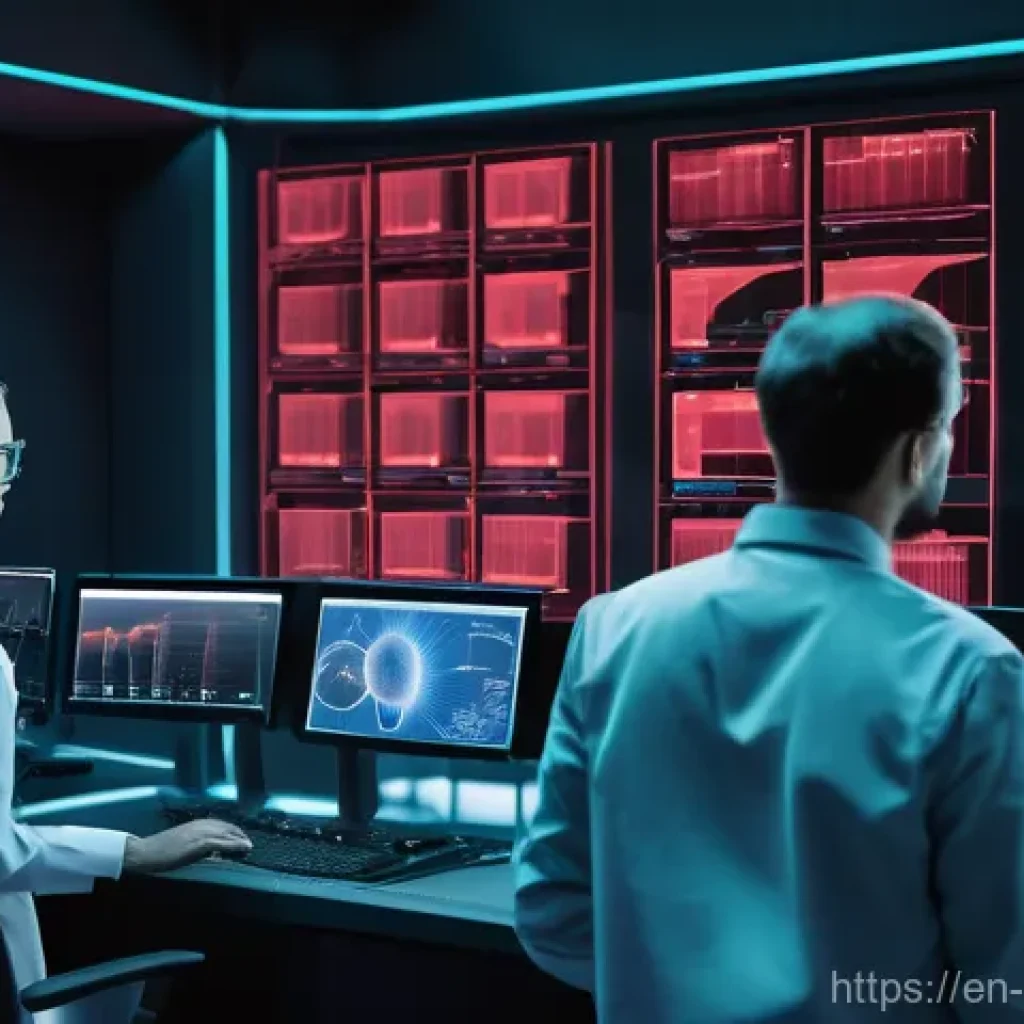
We’re talking about real-time data making plants smarter, digital twins simulating entire operations before a single pipe is laid, and a relentless drive to reduce waste and energy consumption.
It’s not just about tweaking a dial anymore; it’s about a complete overhaul, empowering engineers to achieve unprecedented levels of efficiency, reduce operational costs, and genuinely make a positive impact on our planet.
Trust me, the stories I’ve gathered about companies revolutionizing their workflows are nothing short of inspiring. Ready to uncover how these revolutionary advancements are shaping our industry and discover practical ways you can apply them to your own operations?
Let’s dive into the details below.
Embracing the AI Revolution in Our Chemical Operations
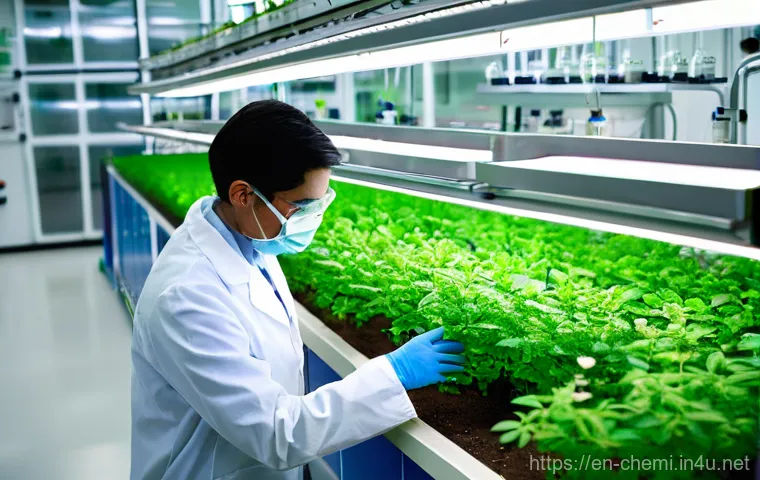
You know, for years, we’ve been fine-tuning processes with a mix of experience, intuition, and, let’s be honest, a fair bit of trial and error. But lately, it feels like we’ve stumbled upon a secret weapon that’s totally changing the game: Artificial Intelligence. I’ve personally seen how AI isn’t just a buzzword; it’s a powerful ally, diving deep into the massive amounts of data our plants generate every single second. It’s like having a super-smart detective who can spot patterns and inefficiencies that our human eyes might totally miss, no matter how many late nights we pull. The transformation is real, from optimizing reaction conditions to predicting potential snags before they even think about becoming problems. This technology isn’t here to replace the brilliant minds on our teams; rather, it’s about giving us superhuman analytical capabilities, freeing us up to tackle the more complex, creative challenges that truly move the needle. It’s exhilarating to think about the possibilities, how we can push the boundaries of what’s efficient and what’s possible, all while making our operations safer and more sustainable. Trust me, if you haven’t started exploring AI in your plant, you’re missing out on a significant competitive edge and a chance to truly revolutionize your workflow, boosting everything from yield to energy efficiency and waste reduction.
Predicting the Future: Smart Maintenance with AI
One of the areas where AI has absolutely blown me away is in predictive maintenance. Remember the days of scheduled shutdowns, hoping you caught a problem before it escalated, or worse, dealing with a catastrophic failure that brought everything to a grinding halt? Those days are rapidly becoming a relic of the past. By feeding AI algorithms years of operational data, combined with real-time sensor information from pumps, reactors, and pipelines, we can now forecast potential equipment failures with incredible accuracy, sometimes weeks in advance! This isn’t just about saving money on emergency repairs; it’s about avoiding dangerous situations and ensuring our teams go home safe every night. I’ve witnessed firsthand how this shift from reactive “fix-it-when-it-breaks” to proactive “predict-and-prevent” has dramatically reduced downtime, extending the lifespan of critical assets and giving us peace of mind.
Optimizing Every Step: Beyond Human Capability
Beyond maintenance, AI is becoming the ultimate co-pilot for process optimization. Our chemical plants are intricate ecosystems, with countless variables influencing outcomes. AI algorithms, especially machine learning models, can chew through this complexity, identifying optimal operating conditions for temperature, pressure, and flow rates that would be practically impossible for a human to calculate in real-time. I’ve seen how this leads to higher yields, significantly reduced energy consumption, and a noticeable drop in waste. It’s like having an invisible hand constantly adjusting every dial to its perfect setting, ensuring maximum efficiency and minimal environmental footprint. What’s more, AI can simulate thousands of process scenarios, allowing us to experiment and find the most cost-effective pathways without any real-world risk.
The Connected Plant: Power of the Industrial Internet of Things
Stepping onto a modern chemical plant floor today, it’s hard not to be amazed by the sheer volume of data being generated. Every sensor, every valve, every piece of equipment is potentially a goldmine of information, and the Industrial Internet of Things (IIoT) is the technology that helps us tap into it. For me, IIoT isn’t just about connectivity; it’s about creating a living, breathing digital twin of our physical assets, allowing us to see, understand, and react to our operations in ways we could only dream of a decade ago. It’s a game-changer for safety, efficiency, and even our bottom line. Think about it: real-time insights into every nook and cranny of the plant, enabling us to make informed decisions that ripple across the entire production chain. This level of transparency not only empowers our engineers with actionable data but also drastically improves our ability to manage complex supply chains, ensuring we have the right materials at the right time.
Real-Time Vision for Proactive Decisions
The core beauty of IIoT lies in its ability to provide real-time visibility into our processes. Sensors scattered throughout the plant constantly collect data on everything from temperature and pressure to vibration and chemical concentrations. This torrent of information is then aggregated and analyzed, giving us an instant snapshot of our operations. I’ve personally experienced the relief of getting an alert about a subtle deviation in a reaction, allowing our team to intervene long before it could become a costly issue or, more importantly, a safety hazard. This proactive approach, driven by IIoT, significantly reduces the risk of human error and allows us to maintain much tighter control over product quality and consistency. It’s about knowing what’s happening the moment it happens, not hours later when a problem has already manifested.
Smart Inventory and Supply Chain Harmony
Managing raw materials and finished products in a chemical plant can be a logistical nightmare, right? Especially with complex supply chains stretching across continents. IIoT is making this so much smoother. By integrating sensors and smart tags, we can now track the location and condition of materials throughout the entire supply chain, from raw material delivery to final product distribution. This real-time tracking is invaluable for optimizing inventory levels, predicting potential shortages or delays, and even improving customer satisfaction by ensuring on-time deliveries. I’ve seen companies dramatically reduce waste and carrying costs simply by having a clearer, data-driven understanding of their inventory flow, allowing them to react quickly to market changes or unforeseen disruptions.
Digital Twins: Replicating Reality for Unparalleled Insight
If IIoT gives us the eyes and ears on the ground, then Digital Twin technology provides the brain. This isn’t some futuristic concept anymore; it’s a powerful tool that’s fundamentally changing how we design, operate, and optimize chemical plants. Imagine having a perfect virtual replica of your entire facility, or even a single complex reactor, where you can run simulations, test new ideas, and predict outcomes without ever touching the physical equipment. That’s the magic of a digital twin, and it’s a capability that, frankly, excites me endlessly. It feels like having a crystal ball, allowing us to experiment with “what-if” scenarios, refine process designs, and train operators in a safe, controlled environment. The potential for accelerating innovation and ensuring compliance with stringent regulatory standards is truly massive.
Virtual Sandboxes for Process Perfection
One of the most compelling aspects of digital twins for me is their ability to create a virtual sandbox. We can model complex chemical reactions, simulate different operating conditions, and even test changes to plant layout or equipment without any real-world risk or expense. This capability drastically reduces the time and cost associated with product development and process optimization. I’ve been involved in projects where we used digital twins to fine-tune reaction parameters, identify bottlenecks, and optimize production schedules, all before a single pipe was laid or a new batch was run. This not only leads to vastly improved efficiency and yield but also helps us get new products to market faster, which is a huge competitive advantage in our fast-paced industry.
Guardian Angels for Equipment and Quality
Beyond process optimization, digital twins act as incredible guardians for our equipment and product quality. By continuously mirroring real-world assets with data from IIoT sensors, these virtual models can predict equipment failures with uncanny accuracy, enabling predictive maintenance schedules that minimize downtime and prolong asset lifespans. I’ve seen examples where a digital twin of a compressor could analyze subtle vibration data to identify early signs of wear, prompting timely intervention. Furthermore, they are crucial for maintaining consistent product quality. By analyzing real-time data, digital twins can detect anomalies and ensure adherence to quality standards, triggering alerts for quicker corrective action. This isn’t just about making better products; it’s about reducing waste and ensuring customer satisfaction every single time.
Green Chemistry: Engineering a Sustainable Future
It’s no secret that the chemical industry has a significant role to play in building a more sustainable future. For me, “green chemistry” isn’t just a trend; it’s a fundamental shift in how we approach every aspect of chemical engineering, from the lab bench to full-scale production. It’s about consciously designing products and processes that minimize environmental impact, reduce waste, and safeguard human health. This isn’t just a moral imperative; it’s becoming an economic one too, with consumers and regulators increasingly demanding more eco-friendly solutions. I’ve been truly inspired by the innovations I’ve seen in this space, proving that we can absolutely achieve both productivity and profound sustainability. It’s about being smarter, more resourceful, and ultimately, better stewards of our planet, fostering long-term viability for the entire industry.
Waste Not, Want Not: The Prevention Principle
At the heart of green chemistry is the principle of waste prevention, and it resonates deeply with me. It’s far more effective, and often cheaper, to prevent waste from being created in the first place than to try and clean it up later. I’ve seen remarkable progress in designing processes that maximize atom economy, ensuring that as many atoms from our raw materials as possible end up in the final product, rather than in waste streams. This approach minimizes the generation of byproducts, reducing both disposal costs and environmental burdens. It’s about being incredibly clever with our chemistry, finding pathways that are inherently more efficient and less resource-intensive. This focus on prevention is truly a cornerstone of sustainable chemical manufacturing, making every step count.
Renewable Resources and Safer Synthesis
Another exciting frontier in green chemistry is the move towards renewable feedstocks and inherently safer chemical synthesis. It’s about consciously moving away from our reliance on finite fossil fuels and exploring bio-based materials like plant matter or even waste as starting points for our products. This isn’t always easy, but the innovations are staggering, leading to cleaner energy and more sustainable materials. Simultaneously, there’s a relentless drive to design chemicals and processes that are less toxic and inherently safer, not just for the environment but for our plant operators. I believe that by prioritizing catalysts that allow for milder reaction conditions and minimizing hazardous solvents, we’re making our industry a much healthier and more responsible place to work.
Advanced Analytics and Predictive Maintenance: Staying Ahead of the Curve
Let’s be honest, nobody likes unexpected breakdowns. They’re costly, disruptive, and can even be dangerous. This is where advanced analytics, combined with that incredible IIoT data we talked about, truly shines. It’s like having a team of highly skilled diagnosticians constantly monitoring every pulse and tremor of your plant equipment. I’ve personally seen how moving from a reactive “fix-it-when-it-fails” model to a proactive “predict-and-prevent” strategy has revolutionized our operational stability. This isn’t just about avoiding catastrophic failures; it’s about optimizing the uptime of every single asset, minimizing unexpected interruptions, and ensuring that our production lines hum along smoothly, day in and day out. The insights gleaned from these sophisticated analytical tools allow us to anticipate issues, not just react to them, leading to significant savings and a much safer work environment for everyone.
Unveiling Hidden Patterns for Uptime
The true power of advanced analytics lies in its ability to uncover hidden patterns within vast datasets that would be impossible for humans to discern. By analyzing historical performance data, maintenance logs, and real-time sensor readings, these systems can predict when equipment is likely to fail with remarkable precision. I’ve witnessed firsthand how a plant, using these insights, could schedule maintenance during planned downtime, completely eliminating the need for costly emergency repairs and unexpected shutdowns. This not only boosts productivity by keeping operations continuous but also significantly extends the lifespan of expensive machinery, leading to substantial cost reductions in the long run. It’s about being truly smart with our assets.
Optimizing Every Drop and Joule
Beyond maintenance, advanced analytics are also a superpower for optimizing our use of resources. We’re talking about everything from raw materials to energy consumption. By continuously analyzing data on yield, energy, and throughput, we can make real-time adjustments that significantly enhance operational efficiency. I’ve seen how even small percentage improvements in energy use, driven by these data-rich insights, can translate into substantial savings on utility bills and a reduced carbon footprint. It’s about ensuring that every drop of feedstock and every joule of energy is used as effectively as possible, minimizing waste and maximizing profitability. This data-driven approach allows us to balance various operational parameters to achieve the most profitable outcome for each process step.
Embracing Automation for Unprecedented Efficiency
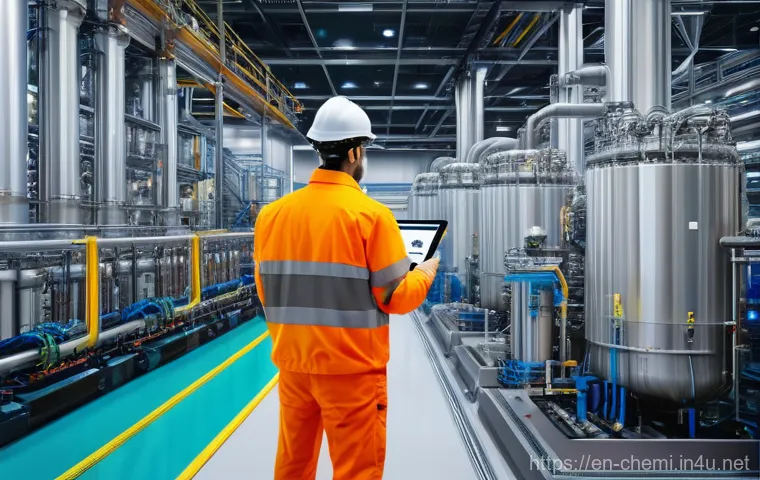
You know, when I started my journey in chemical engineering, a lot of what we did felt very hands-on, almost artisanal. But fast forward to today, and automation has absolutely transformed the landscape. It’s not just about robots on an assembly line; it’s about intelligent systems that manage, control, and optimize entire processes with a precision and speed that human hands simply can’t match. I’ve seen how integrating automation has drastically improved everything from safety, by minimizing human exposure to hazardous materials, to the sheer efficiency of our production lines. It feels like we’re finally unlocking the true potential of our plants, running operations continuously with minimal downtime and ensuring a level of consistency in product quality that was once just a dream. This shift isn’t just about cutting costs; it’s about building more robust, reliable, and ultimately, safer chemical manufacturing facilities.
Safety First: Minimizing Human Risk
For me, one of the most compelling reasons to embrace automation in chemical plants is the enhanced safety it brings. Our industry, by its very nature, involves handling potentially hazardous substances and operating under extreme conditions. Automation significantly reduces human exposure to these risks by enabling remote operation and precise control over dangerous processes. I’ve personally seen how automated monitoring systems can detect anomalies or deviations from safety parameters in real-time, triggering immediate alarms or even automatic shutdowns to prevent accidents. This proactive safety measure is invaluable, not only protecting our dedicated workforce but also minimizing environmental risks. It allows us to sleep a little easier at night, knowing that critical operations are being managed with unwavering precision.
Productivity Power-Up and Cost Savings
Beyond safety, the efficiency and productivity gains from automation are nothing short of phenomenal. Automated systems can perform repetitive and time-consuming tasks with consistent accuracy, streamlining workflows and virtually eliminating human error. This means processes can run continuously, 24/7, with minimal downtime, which is absolutely crucial in industries like chemical manufacturing. I’ve seen plants achieve remarkable increases in throughput and overall output by leveraging automation. What’s more, this leads to significant cost reductions through lower labor expenses, improved energy efficiency, and reduced material waste. By precisely controlling ingredient usage and minimizing errors, automation helps us conserve raw materials and reduce the need for costly rework, directly boosting our profitability.
Beyond the Lab: Cultivating a Culture of Continuous Innovation
You know, for all the amazing technologies we’ve talked about – AI, IIoT, digital twins, green chemistry – none of it truly takes root and flourishes without a bedrock of continuous innovation. It’s more than just implementing new tools; it’s about fostering a mindset, a culture where everyone, from the newest engineer to the seasoned plant manager, is constantly looking for better ways to do things. I’ve seen companies truly thrive when they embed this spirit of inquiry and improvement into their DNA. It’s about creating an environment where asking “what if?” is celebrated, where experimentation is encouraged, and where learning from both our successes and our setbacks becomes a pathway to genuine breakthroughs. This kind of cultural shift is, for me, the ultimate process improvement, ensuring we’re not just keeping up with trends, but actively shaping the future of chemical engineering itself, always pushing towards smarter, more resilient, and more impactful operations.
Fueling R&D with Agile Thinking
The traditional R&D cycle in chemical engineering can be notoriously long and arduous. But I’ve seen a real shift towards more agile methodologies, often inspired by software development, that are supercharging our innovation pipeline. It’s about breaking down complex projects into smaller, manageable iterations, allowing for quicker feedback loops and faster adjustments. This is where tools that support flow management and analytics, like Kanban, have really made a difference. By focusing on cycle time and throughput, teams can identify bottlenecks and optimize their workflows, reducing the time it takes to get from a promising idea to a market-ready product. It’s not about cutting corners; it’s about being smarter and more responsive in our pursuit of groundbreaking discoveries and novel solutions that address complex global challenges.
Building Resilient Supply Chains for a Volatile World
If recent global events have taught us anything, it’s the absolute critical importance of resilient supply chains. In chemical engineering, where disruptions can have cascading effects, this is more vital than ever. I’ve been part of conversations and projects focused on designing supply chain systems that aren’t just efficient but are inherently robust – capable of withstanding unforeseen challenges, from geopolitical shifts to natural disasters. This involves leveraging digital tools for real-time monitoring, creating diversified supplier networks, and developing agile manufacturing processes that can quickly pivot. It’s about moving beyond simply minimizing costs to building in redundancy and flexibility, ensuring continuity and reliability in the supply of critical chemical products. It’s a strategic imperative that ensures our operations can weather any storm.
Here’s a quick overview of how these innovations are shaping our industry:
| Innovation Area | Key Benefits for Chemical Engineering | Impact on Operations |
|---|---|---|
| Artificial Intelligence (AI) | Enhanced process optimization, predictive maintenance, R&D acceleration, quality control, waste reduction. | Smarter decision-making, reduced downtime, increased yields, more efficient resource use. |
| Industrial Internet of Things (IIoT) | Real-time data insights, improved safety, supply chain visibility, precise monitoring, energy management. | Proactive problem-solving, reduced risks, optimized inventory, higher productivity. |
| Digital Twins | Virtual simulation for design & testing, predictive maintenance, operator training, rapid innovation. | Faster time to market, optimized plant performance, reduced operational costs, enhanced safety. |
| Green Chemistry | Waste prevention, use of renewable feedstocks, safer chemicals, energy efficiency, reduced environmental footprint. | Sustainable practices, regulatory compliance, long-term economic viability, improved public perception. |
| Advanced Analytics | Hidden pattern detection, optimized energy/resource use, proactive maintenance scheduling, root cause analysis. | Increased asset uptime, significant cost savings, improved operational efficiency, better process control. |
| Automation | Improved safety, increased efficiency & productivity, enhanced quality control, cost reduction, better data management. | Streamlined workflows, continuous operation, minimized human error, consistent product quality. |
Wrapping Things Up
As we pull back from exploring the truly mind-blowing advancements in AI, IIoT, Digital Twins, Green Chemistry, Advanced Analytics, and Automation, it’s crystal clear that we’re standing at the precipice of a new, incredibly exciting era in chemical operations. I’ve personally witnessed how these innovations aren’t just theoretical concepts; they’re bringing tangible, real-world improvements to our safety protocols, boosting efficiency across the board, and driving us towards genuine sustainability. It’s a genuinely exhilarating time to be a part of this industry, and I wholeheartedly believe that by enthusiastically embracing these technologies, we aren’t merely optimizing our existing processes – we’re actively sculpting a more responsible, prosperous, and innovative future for everyone involved. The path ahead is brimming with immense potential, and I, for one, can barely wait to see what groundbreaking discoveries and efficiencies we unlock next, continuing to push the boundaries of what’s possible.
Useful Insights to Keep in Your Back Pocket
1. Start Small, Think Big: Don’t let the sheer scale of these technologies overwhelm you. My personal advice? Pinpoint a single, manageable process within your current operations that you believe could benefit most. Perhaps it’s implementing predictive maintenance with IIoT sensors on a critical pump, or launching a small, AI-driven optimization project for a specific reaction. Diligently document your results and quantify the benefits. Once you’ve demonstrated a clear return on investment (ROI) and cultivated internal champions who understand the value, scaling up will feel much more natural and gain more enthusiastic buy-in. It’s all about proving the concept in a controlled, low-risk environment before you go big.
2. Data is Your Digital Goldmine – Treat it as Such: We’ve spent a lot of time discussing the transformative power of AI and advanced analytics, and the consistent thread weaving through all of it is, undeniably, data. If your operational data isn’t clean, consistent, well-structured, and easily accessible, even the most sophisticated algorithms will struggle to deliver meaningful insights. Investing in robust data governance and quality initiatives from day one is paramount. I’ve personally seen countless brilliant projects hit unexpected roadblocks simply because the underlying data wasn’t up to par. Think of it as meticulously laying a strong, unwavering foundation before you even begin to construct your cutting-edge digital skyscraper.
3. Upskill Your Team, Don’t Just Upgrade Your Tech: Remember, technology, no matter how advanced, is ultimately only as effective as the brilliant minds who wield it. As you integrate AI, IIoT, and sophisticated automation into your operations, make a non-negotiable commitment to invest heavily in training and developing your workforce. Empowering your engineers, operators, and technicians with new, in-demand skills in areas like data science, automation control, and digital twin management will not only ensure a seamless transition but also unlock significantly greater value from your technological investments. It’s not just about machine learning; it’s about fostering continuous human learning and adaptation within your organization.
4. Collaboration is the Unsung Hero of Innovation: No single department, team, or even company possesses all the answers when it comes to navigating this complex technological landscape. The most truly impactful and enduring transformations I’ve witnessed have always stemmed from strong, synergistic collaborations—whether it’s fostering closer ties between IT and operations, R&D and production, or forging strategic external partnerships with leading technology providers and academic research institutions. Encourage open communication, share critical insights generously, actively challenge existing assumptions, and leverage diverse expertise from across the board. Breaking down traditional organizational silos naturally cultivates a much more innovative, resilient, and responsive operational ecosystem.
5. Embrace a Culture of Continuous Improvement and Fearless Experimentation: The ongoing digital revolution sweeping through chemical engineering isn’t a one-and-done project or a finite destination; it is, unequivocally, an ongoing and dynamic journey. Cultivate and actively encourage your teams to constantly question existing processes, experiment with novel approaches, and learn invaluable lessons from both their successes and, crucially, their setbacks. Foster an environment where intellectual curiosity is celebrated, where thoughtful experimentation is not just tolerated but actively encouraged, and where iterative improvements become the ingrained norm. This agile, forward-thinking mindset is absolutely crucial for not just keeping pace with trends, but for proactively shaping the very future of our industry in an ever-evolving technological landscape.
Key Takeaways
Reflecting on our deep dive into the truly groundbreaking innovations that are rapidly transforming chemical operations, a few core messages resonate profoundly with me. Firstly, Artificial Intelligence and advanced analytics are no longer just nebulous future concepts; they are here and now, empowering us with unparalleled insights for everything from pinpoint predictive maintenance to radical process optimization and significantly accelerated research and development. Secondly, the Industrial Internet of Things (IIoT) provides the absolutely critical real-time data backbone, enabling truly smart, interconnected plants that elevate both safety and operational efficiency at every single touchpoint. Furthermore, digital twin technology offers an incredible virtual playground, allowing us to meticulously simulate, test, and perfect complex processes long before they ever interact with physical equipment, dramatically mitigating risks and significantly speeding up the pace of innovation. Lastly, by deeply integrating green chemistry principles and wholeheartedly embracing advanced automation, we are not merely boosting productivity and reducing operational costs; we are fundamentally building a more sustainable, inherently safer, and remarkably resilient industry that will serve generations to come. It’s about intelligently leveraging cutting-edge technology to not just work harder, but to work exponentially smarter, all while maintaining an unwavering commitment to both profitability and the well-being of our planet.
Frequently Asked Questions (FAQ) 📖
Q: So, how are
A: I and the Industrial Internet of Things (IIoT) really changing the game for us chemical engineers? A1: You know, it’s fascinating to watch how quickly AI and IIoT have moved from buzzwords to absolute game-changers in our industry.
From my vantage point, what I’ve consistently observed is that it’s all about unlocking insights we never had before. Think about it: IIoT devices, those smart sensors spread throughout your plant, are constantly collecting mountains of data – temperature, pressure, flow rates, you name it.
This isn’t just data for data’s sake; it’s the raw material for AI. AI then sifts through all that information, identifying subtle patterns and anomalies that a human eye (or even traditional statistical methods) would easily miss.
I’ve personally seen companies use this to predict equipment failures before they happen, moving from reactive maintenance to truly predictive maintenance.
That means fewer unplanned shutdowns, which, let’s be honest, can save millions. Beyond that, AI algorithms are optimizing reaction conditions in real-time, fine-tuning everything to maximize yield and minimize energy consumption.
It’s like having an incredibly intelligent co-pilot constantly making micro-adjustments for peak performance. The beauty is, it doesn’t just tell you what is happening, but why, and what to do about it.
It’s a huge shift, making our plants not just efficient, but genuinely smarter. And honestly, it feels good to be part of something that’s not just profitable but also inherently more sustainable.
Q: “Digital twins” sound incredibly futuristic.
A: re they genuinely practical for everyday process improvement, especially for existing plants that aren’t brand new? A2: That’s a fantastic question, and one I get asked a lot!
When I first heard about digital twins, I admit, I pictured something out of a sci-fi movie. But after diving deep and seeing them in action, I can tell you they are absolutely, unequivocally practical, even for older facilities.
What is a digital twin? It’s essentially a virtual replica of your physical plant, process, or even a single piece of equipment, constantly updated with real-time data from your IIoT sensors.
It’s a living, breathing simulation. I’ve had the opportunity to work with engineers who’ve leveraged digital twins to simulate changes to their existing processes before implementing them in the real world.
Imagine wanting to tweak a reactor’s operating temperature or introduce a new catalyst. Instead of the costly and potentially risky trial-and-error approach on the actual plant floor, you run those scenarios in your digital twin.
You can predict how it will affect yield, energy use, and even equipment lifespan. It’s like having a sandbox where you can experiment without any real-world consequences.
This ability to test, optimize, and train operators in a risk-free environment is invaluable, allowing for faster, more confident decision-making and significantly reducing downtime.
For legacy plants, this means they can adopt cutting-edge improvements without the massive capital expenditure of building new. It truly levels the playing field.
Q: With all these amazing advancements, what’s the most impactful way for a company, especially a smaller one, to start integrating these technologies without completely overhauling their entire operation or breaking the bank?
A: This is a crucial point, and it’s something I always emphasize: you don’t need to rip everything out and start from scratch to benefit from these innovations.
In fact, that’s rarely the best approach. From my own observations and experience with various companies, the most impactful way to start, especially for smaller players or those with budget constraints, is to begin with a focused pilot project.
Don’t try to solve every problem at once. Pick one specific bottleneck or a process where you know there’s significant room for improvement – maybe it’s a particular reactor that has inconsistent yields, or a pump that frequently needs maintenance, or an area with high energy consumption.
Then, implement IIoT sensors in just that specific area to gather data. Once you have that data, you can start applying basic AI/machine learning tools to analyze it.
You might find you can predict failures, optimize a single operating parameter, or reduce waste in that one spot. This approach is much more manageable, less expensive, and provides tangible results relatively quickly.
It’s about building momentum, demonstrating ROI on a smaller scale, and then using those successes to secure further investment and expand. I’ve seen companies start with just a handful of sensors and a cloud-based analytics platform, and within months, they’ve achieved significant cost savings and efficiency gains.
It’s a testament to the idea that even small, smart steps can lead to monumental leaps in process improvement and sustainability. It’s about being strategic, not necessarily spending big.