Hey everyone! Ever wonder what truly goes on behind the scenes to create everything from the life-saving medicines we rely on to the sustainable energy solutions powering our future?
Well, chances are, a chemical engineer was right there in the thick of it! I remember when I first considered this field; it felt like a mysterious blend of chemistry and massive industrial plants.
But let me tell you, the world of chemical engineering has absolutely transformed, and the university programs are evolving right along with it to tackle our biggest global challenges head-on.
We’re now diving deep into cutting-edge areas like green chemistry for eco-friendly manufacturing, designing advanced materials at the molecular level, and even integrating artificial intelligence and machine learning to revolutionize process control and optimization.
It’s truly no longer just about theoretical reactors and distillation columns; it’s about innovating for a better, more sustainable tomorrow. If you’re thinking about diving into this incredibly dynamic and impactful career path, understanding the modern university curriculum is your first crucial step.
Let’s find out exactly what’s involved!
The Evolving Core: Reimagining Foundational Chemical Engineering
Beyond Thermodynamics: Embracing Computational Tools
Remember those thick textbooks filled with endless equations and theoretical concepts that seemed to exist purely in a vacuum? Well, while the fundamental principles of thermodynamics, fluid mechanics, and heat transfer are still the bedrock of chemical engineering – and rightly so – the *way* we learn and apply them has undergone a massive transformation.
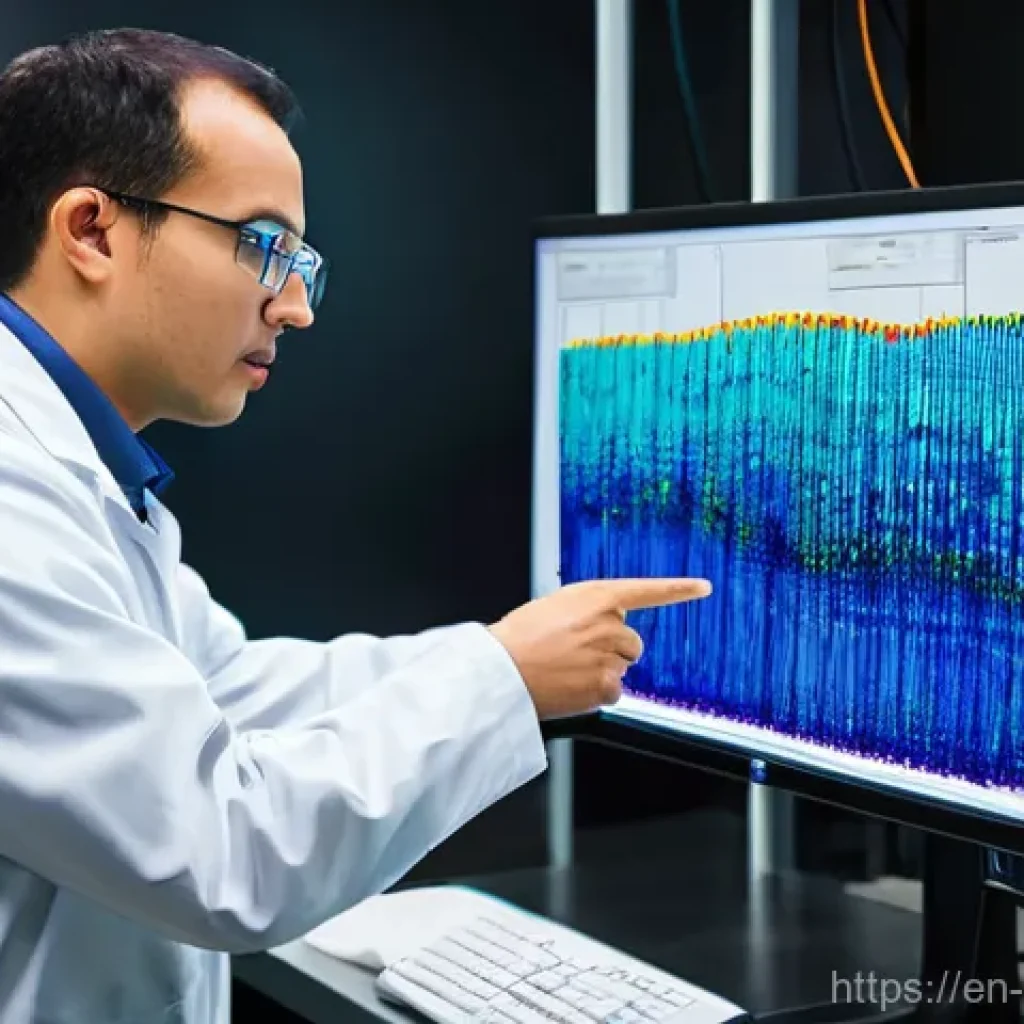
I’ve seen firsthand how universities are now integrating powerful computational tools and simulation software right into these core courses. It’s not just about solving problems with pen and paper anymore; it’s about understanding how to model complex reactions in a virtual environment, predict fluid flow with incredible accuracy, or optimize heat exchanger designs using professional-grade software.
Honestly, it’s a game-changer! When I was a student, we dreamt of such capabilities, but now it’s standard. This hands-on experience with tools like Aspen Plus, ANSYS Fluent, or MATLAB isn’t just a nice-to-have; it’s absolutely crucial.
It means graduates aren’t just theoretically brilliant; they’re also immediately proficient with the digital instruments that drive modern industrial processes.
This shift not only deepens conceptual understanding but also makes you incredibly marketable from day one. It’s about taking that abstract knowledge and turning it into something tangible and operable, which is where the real magic happens in engineering.
Process Dynamics and Control in a Data-Driven World
Another area that has truly evolved in the core curriculum is process dynamics and control. This used to be quite a theoretical subject, focusing on PID controllers and basic feedback loops.
But in today’s highly automated and interconnected world, it’s become immensely practical and data-intensive. What I’ve noticed is a strong emphasis on understanding how real-time data acquisition, sensor technology, and advanced control strategies – think model predictive control – are integrated into actual industrial plants.
Students are no longer just learning about the equations; they’re building and testing control systems in labs, often working with scaled-down versions of industrial processes.
They’re learning how to optimize parameters to save energy, improve product quality, and ensure safety, all while dealing with the unpredictable nature of real-world systems.
It’s thrilling to see how much more sophisticated these programs have become, preparing engineers not just to maintain existing systems, but to innovate and implement the next generation of smart factories.
This experiential learning is vital because understanding how a system responds to change, both expected and unexpected, is at the heart of effective process management.
Steering Towards Sustainability: Green Chemistry and Environmental Solutions
Designing for a Circular Economy
If there’s one area where chemical engineering has truly stepped up, it’s in addressing our planet’s sustainability challenges. Gone are the days when environmental concerns were an afterthought.
Now, they’re woven into the very fabric of the curriculum. What truly excites me is the intense focus on green chemistry and engineering principles. This isn’t just about waste treatment at the end of a process; it’s about designing processes from the ground up to minimize hazardous substances, maximize atom economy, and conserve energy.
We’re talking about developing catalysts that are benign and highly selective, using renewable feedstocks instead of fossil fuels, and creating biodegradable products.
I’ve spoken to so many students who are passionate about this, and their university programs are fueling that passion by teaching them how to implement a circular economy mindset.
This means designing products that can be easily recycled, reused, or composted, effectively eliminating waste. It’s a huge shift from the linear “take-make-dispose” model, and it requires a truly innovative engineering approach.
Learning how to conduct life cycle assessments is also a critical skill now, giving future engineers the tools to evaluate the environmental impact of a product or process from cradle to grave.
Innovations in Renewable Energy and Waste-to-Energy Systems
Another vital aspect of modern chemical engineering education is its deep dive into renewable energy technologies and sophisticated waste management. It’s not just about understanding solar panels or wind turbines anymore; it’s about the chemical processes behind their efficiency and scalability.
We’re talking about advanced battery technologies, fuel cell design, biochemical conversions for biofuels, and even carbon capture utilization and storage (CCUS).
From my perspective, these programs are doing an incredible job of preparing engineers to tackle the massive challenge of transitioning to a clean energy future.
Beyond energy generation, there’s a strong emphasis on converting waste streams into valuable resources. Imagine turning agricultural waste into bio-oil or plastics into new chemicals – these are not sci-fi concepts anymore; they are active research areas and emerging industries that chemical engineers are leading.
The curriculum often includes detailed studies of bioreactors, pyrolysis, gasification, and advanced separation techniques that make these waste-to-resource pathways economically viable and environmentally sound.
It’s a complex, multidisciplinary field, and graduates are emerging with the skills to make a tangible difference in energy independence and resource conservation.
The Material World: Innovations in Advanced Materials and Nanotechnology
Designing Materials at the Molecular Scale
If you’re fascinated by how things are made and what they’re made of, then the contemporary chemical engineering curriculum’s focus on advanced materials and nanotechnology will blow your mind.
It’s truly incredible how much this field has evolved! It’s no longer just about understanding bulk properties; we’re now designing materials from the ground up, at the molecular and even atomic level.
Think about developing new polymers with specific thermal or electrical properties, creating biocompatible materials for medical implants, or engineering composites for aerospace applications.
University programs are integrating cutting-edge labs where students get hands-on experience with techniques like atomic force microscopy (AFM), scanning electron microscopy (SEM), and X-ray diffraction (XRD).
This allows them to characterize materials and understand their structure-property relationships in unprecedented detail. What I’ve personally found most exciting is the push towards ‘smart materials’ – those that can respond to their environment, like self-healing polymers or materials that change color with temperature.
This requires a deep understanding of chemistry, physics, and engineering principles, and these programs are truly preparing students to be at the forefront of this material revolution.
Nanotechnology: From Lab Bench to Industrial Scale
Nanotechnology, once a buzzword confined to academic labs, is now becoming a core component of chemical engineering education. And let me tell you, the practical applications are astounding!
Students are learning how to synthesize nanoparticles, nanowires, and quantum dots, and – crucially – how to scale up these processes from the lab bench to industrial production.
This involves understanding the unique properties that emerge at the nanoscale and how to control them for specific applications. Imagine developing more efficient drug delivery systems, creating ultra-strong and lightweight materials, or designing next-generation catalysts with enhanced reactivity.
The curriculum dives deep into topics like surface chemistry, colloidal science, and advanced separation techniques tailored for nanomaterials. From my experience, the challenge often lies in bridging the gap between fascinating lab discoveries and commercially viable processes.
Modern chemical engineering programs are rising to this challenge, equipping students with the process engineering know-how required to bring these nano-innovations into the real world.
It’s a truly interdisciplinary field, drawing on chemistry, physics, materials science, and engineering, all converging to create materials with extraordinary new functionalities.
Beyond the Spreadsheet: The Rise of AI and Data Science in Chemical Processes
Machine Learning for Process Optimization and Prediction
Okay, let’s talk about something that’s really shaking things up: the integration of artificial intelligence (AI) and machine learning (ML) into chemical engineering.
If you thought chemical engineering was just about pipes and reactors, think again! Modern university curricula are now heavily featuring data science, programming skills (hello Python!), and advanced statistical analysis.
What this means in practice is that future chemical engineers aren’t just operating processes; they’re optimizing them with intelligent algorithms. Imagine using machine learning to predict equipment failure before it happens, or to fine-tune reaction conditions in real-time to maximize yield and minimize energy consumption.
I’ve been so impressed by how these programs are teaching students not just the *theory* of AI, but its practical application in complex chemical systems.
This includes everything from developing predictive models for process upsets to using deep learning for material discovery. It’s about leveraging the enormous amounts of data generated in modern plants to make smarter, faster, and more efficient decisions.
This skillset is becoming absolutely indispensable in the industry, making graduates highly sought after.
Digital Twins and Advanced Process Control
Building on the AI revolution, another fascinating development is the focus on “digital twins” and advanced process control. This isn’t just a fancy term; it’s a profound shift in how we manage and understand industrial processes.
A digital twin is essentially a virtual replica of a physical process, constantly fed with real-time data from sensors. This allows engineers to simulate scenarios, test modifications, and predict outcomes without ever touching the actual plant.
University programs are now training students in developing and utilizing these digital twins, often in conjunction with AI and ML, to optimize operations, identify bottlenecks, and troubleshoot issues.
From my personal observation, this level of predictive capability and virtual experimentation is truly revolutionary. It significantly reduces risks, improves efficiency, and accelerates innovation.
Learning how to build these sophisticated models and integrate them with control systems is a high-value skill that bridges the gap between theoretical knowledge and cutting-edge industrial application.
It’s about taking the guesswork out of complex operations and making data-driven decisions at every turn.
Hands-On for Impact: Real-World Experience and Industry Collaborations
Co-op Programs and Internships: Bridging Academia and Industry
Let’s be honest, nothing beats real-world experience. And this is an area where modern chemical engineering programs truly shine. What I’ve consistently seen is a strong emphasis on co-op programs and internships, often making them a mandatory or highly recommended part of the curriculum.
It’s one thing to learn about a distillation column in a textbook; it’s an entirely different thing to work on one in a buzzing industrial plant, troubleshooting issues and optimizing its performance alongside experienced engineers.
These placements provide invaluable practical skills, expose students to corporate culture, and help them build professional networks before they even graduate.
I remember my own internship experience; it was like a crash course in practical problem-solving that no lecture could ever replicate. Students gain experience in everything from process design and optimization to quality control and safety management.
This hands-on immersion is crucial for developing the professional judgment and adaptability that are so highly valued in the industry.
Capstone Projects and Design Challenges
Beyond internships, the capstone projects and design challenges integrated into the final years of these programs are incredibly impactful. These aren’t just hypothetical exercises; many universities collaborate directly with industry partners, providing students with real-world problems to solve.
Imagine being tasked with designing a new chemical plant for a sustainable product, or optimizing an existing process to reduce its environmental footprint, all while adhering to budget constraints and regulatory requirements.
These projects force students to synthesize all the knowledge they’ve accumulated – from thermodynamics to economics, from safety regulations to ethical considerations.
From my perspective, these projects are the ultimate test of an engineer’s ability to integrate diverse knowledge and work effectively in a team. They replicate the challenges of actual engineering work, pushing students to think creatively, manage complex projects, and present their solutions professionally.
It’s an intense but incredibly rewarding experience that truly prepares graduates for the complexities of the professional world.
Global Perspectives, Local Impact: Addressing Grand Challenges
Water Security and Advanced Purification Technologies
The world faces immense grand challenges, and chemical engineers are at the forefront of solving many of them. One area that has seen significant curriculum development is water security.
With growing populations and climate change impacts, access to clean water is a critical issue. Modern chemical engineering programs delve deep into advanced water treatment technologies.
It’s not just about filtration anymore; it’s about membrane separation processes like reverse osmosis and ultrafiltration, advanced oxidation processes for removing persistent pollutants, and even desalination technologies.
What I’ve noticed is a strong emphasis on sustainable and energy-efficient solutions for water purification. Students are learning how to design and optimize these systems, considering factors like energy consumption, waste brine management, and cost-effectiveness.
This means future engineers are equipped to tackle water scarcity head-on, developing innovative solutions that are both effective and environmentally responsible, ensuring communities around the globe have access to this most vital resource.
Health, Pharmaceuticals, and Bioprocess Engineering
Another rapidly expanding field within chemical engineering is its application in health, pharmaceuticals, and bioprocess engineering. This area has truly boomed, especially in light of recent global health challenges.
University programs are now offering specialized tracks or significant coursework in drug discovery and development, vaccine production, tissue engineering, and biotechnology.
What really stands out is the blend of traditional chemical engineering principles with biological sciences. Students learn about reaction kinetics in biological systems, separation processes for purifying biopharmaceuticals, and the design of bioreactors for cell culture and fermentation.
It’s an exciting convergence that prepares engineers to work in pharmaceutical manufacturing, medical device design, or even developing new diagnostics.
The focus is often on precision, safety, and scalability – ensuring that life-saving innovations can be produced efficiently and reliably. This interdisciplinary approach makes graduates incredibly versatile, ready to contribute to improving human health on a global scale.
The Entrepreneurial Engineer: From Idea to Market
Innovation, Business Acumen, and Project Management
It’s a common misconception that engineers just build things; in reality, many are innovators and entrepreneurs, bringing new ideas to life and to market.
Modern chemical engineering curricula are increasingly recognizing this by integrating courses on innovation, entrepreneurship, and project management.
This means students aren’t just learning the technical aspects of engineering; they’re also acquiring skills in intellectual property, market analysis, business plan development, and even securing funding.
From my own journey, I can tell you that understanding the business side of engineering is absolutely crucial for career advancement and for truly making an impact.
These programs are fostering a mindset where students are encouraged to identify problems, conceptualize solutions, and then think about how to turn those solutions into viable products or services.
It’s about equipping engineers not just to work within existing frameworks but to create new ones, driving economic growth and technological advancement.
Ethical Considerations and Societal Impact
Finally, and perhaps most importantly, today’s chemical engineering programs are placing a much stronger emphasis on ethical considerations and the broader societal impact of engineering decisions.
It’s no longer enough to just design an efficient process; engineers must also consider its environmental implications, its social equity aspects, and its long-term sustainability.
Courses now often include discussions on engineering ethics, corporate social responsibility, and regulatory compliance. What I find incredibly valuable is how universities are encouraging critical thinking about the responsible development and deployment of new technologies.
This means understanding the unintended consequences of innovation and striving to create solutions that benefit all of society. It’s about cultivating engineers who are not just technically brilliant, but also socially conscious and responsible global citizens.
This holistic approach ensures that future chemical engineers are prepared to navigate the complex interplay between technology, society, and the environment.
| Curriculum Focus Area | Traditional Approach (Past) | Modern Approach (Present) |
|---|---|---|
| Core Principles Application | Manual calculations, theoretical problem-solving | Computational tools (Aspen, MATLAB), simulation software, data analysis |
| Environmental & Sustainability | End-of-pipe waste treatment, compliance | Green chemistry, circular economy, life cycle assessment, renewable energy integration |
| Materials Science | Bulk material properties, basic polymers | Advanced materials, nanotechnology, molecular design, smart materials |
| Process Control | PID loops, theoretical dynamics | AI/ML for optimization, digital twins, advanced predictive control, real-time data |
| Practical Experience | Limited lab work, theoretical design projects | Mandatory co-ops/internships, industry-sponsored capstone projects, hands-on simulation |
| Interdisciplinary Skills | Highly specialized chemical engineering | Data science, biology, ethics, project management, entrepreneurial skills |
Wrapping Things Up
Whew, what a journey we’ve taken through the fascinating world of modern chemical engineering! It’s truly inspiring to see how this field, which is so foundational to our daily lives, is constantly reinventing itself. From the cutting-edge computational tools that let us virtually prototype new processes to the deep dive into sustainable solutions and the exciting realm of AI-driven optimization, it’s clear that chemical engineering is not just about tradition—it’s about innovation. I genuinely believe that the engineers emerging from today’s programs are uniquely equipped to tackle some of humanity’s biggest challenges, blending technical prowess with a profound sense of responsibility. It’s a dynamic, impactful career path, and frankly, I can’t wait to see the incredible breakthroughs these bright minds will bring to the world!
Useful Information to Know
1. Embrace Continuous Learning in Software & Data Science: The landscape of chemical engineering is evolving at lightning speed, particularly with the integration of computational tools and data science. My personal advice? Don’t just learn the basics; really dig into tools like Python, MATLAB, Aspen Plus, or ANSYS Fluent. These aren’t just supplementary skills anymore; they’re becoming core competencies. Understanding how to model, simulate, and analyze complex data will not only make your work significantly more efficient but will also position you as an indispensable asset in any modern engineering team. Companies are actively seeking engineers who can translate theoretical knowledge into practical, data-driven solutions, and being proficient in these digital arenas will give you a tremendous competitive edge. Think of it as your digital superpower in a world that increasingly runs on data.
2. Prioritize Practical Experience Through Internships and Co-ops: Seriously, there’s no substitute for getting your hands dirty in a real-world setting. While academic rigor is crucial, applying that knowledge in an industrial environment is where true learning happens. Seek out internships, co-op programs, and even part-time roles related to chemical processes. These experiences are invaluable for understanding how theoretical concepts translate into practical challenges, how teams operate, and what a typical day looks like in the industry. Beyond the technical skills, you’ll develop critical problem-solving abilities, communication skills, and a professional network that can open doors to future opportunities. Plus, it’s often these hands-on stints that truly help you discover what aspects of chemical engineering you’re most passionate about.
3. Develop a Sustainability Mindset Early On: The future of engineering is green, and chemical engineers are at the forefront of this transformation. Whether you’re designing new processes, optimizing existing ones, or developing novel materials, always consider the environmental impact. This means thinking about raw material sourcing, energy consumption, waste generation, and end-of-life product cycles. Familiarize yourself with green chemistry principles, circular economy concepts, and life cycle assessment (LCA) tools. Companies are increasingly scrutinized for their environmental footprint, and engineers who can propose and implement sustainable solutions are incredibly valuable. It’s not just about compliance anymore; it’s about leading the charge towards a more resource-efficient and environmentally responsible industrial future, and your innovative thinking in this area can make a real difference.
4. Cultivate Strong Communication and Teamwork Skills: While technical expertise is paramount, don’t underestimate the importance of soft skills. In my experience, even the most brilliant engineers struggle if they can’t effectively communicate their ideas, collaborate with diverse teams, or present complex information clearly. Chemical engineering projects are inherently multidisciplinary, often involving chemists, mechanical engineers, environmental specialists, and business stakeholders. Learning to articulate your findings, listen actively, and work constructively within a team will significantly enhance your impact and career progression. Practice presenting your projects, writing clear reports, and engaging in constructive discussions. These skills are often the differentiator between a good engineer and a truly exceptional leader who can drive projects forward.
5. Stay Curious and Open to Interdisciplinary Learning: The boundaries between traditional engineering disciplines are blurring, and chemical engineering is increasingly intersecting with biology, materials science, computer science, and even business. Don’t be afraid to explore subjects outside your immediate comfort zone. Learning about bioprocesses, advanced materials at the nanoscale, or the economic principles behind new product development can open up entirely new avenues for innovation and career specialization. The most exciting breakthroughs often happen at these interdisciplinary junctures. Keeping an open mind and continuously seeking to expand your knowledge base will ensure you remain adaptable and relevant in an ever-changing technological landscape, allowing you to contribute to a wider array of grand challenges facing society.
Key Takeaways
So, what’s the big picture here? The chemical engineering curriculum is no longer a static collection of theoretical concepts; it’s a vibrant, ever-evolving field that’s deeply integrated with the digital age and fiercely committed to sustainability. We’re seeing a profound shift towards hands-on computational prowess, a relentless focus on green engineering from design to disposal, and an exciting leap into advanced materials and nanotechnology. Furthermore, the advent of AI and data science is reshaping how we optimize processes and make critical decisions, moving us towards smarter, more efficient industrial operations. And crucially, modern programs are emphasizing real-world experience and the development of well-rounded engineers who can address global challenges with both technical brilliance and a strong ethical compass. It’s a truly exciting time to be a chemical engineer, with endless opportunities to innovate and make a tangible positive impact on the world!
Frequently Asked Questions (FAQ) 📖
Q: How exactly have chemical engineering university programs evolved to address these “biggest global challenges” you mentioned? It sounds like it’s a huge shift from what my parents’ generation studied!
A: This is such a fantastic question, and honestly, it’s where my passion for this field truly ignites! You know, when I first looked into chemical engineering, I imagined endless equations about distillation columns and reactors – and while those fundamentals are still absolutely vital, the focus has dramatically broadened.
Today’s programs are deeply integrated with themes like sustainability, renewable energy, and even biomedical applications. We’re not just optimizing existing processes; we’re inventing new ones from the ground up, with a critical eye on environmental impact.
Think about it: designing plastics that biodegrade, developing advanced batteries for electric vehicles, or even engineering processes to turn waste into valuable resources.
My university experience really emphasized project-based learning where we tackled real-world problems – I distinctly remember one project where we designed a small-scale facility for converting algae into biofuel.
It wasn’t just theoretical; it felt like we were actually building a piece of the future. The shift is less about what we study and more about how we apply it – always with an eye toward a better, greener tomorrow.
Q: You mentioned
A: I and Machine Learning. How are these cutting-edge technologies being incorporated into a chemical engineering curriculum? It feels like such a different discipline!
A2: Oh, you hit on one of the most exciting developments! When I started, AI in chemical engineering felt like a distant sci-fi concept. Now, it’s absolutely central to optimizing everything from process control to discovering new materials.
Universities are weaving AI and Machine Learning into core courses, often through dedicated modules or even entire specializations. We’re learning to use data science tools to predict how new compounds will behave, simulate complex reactions without needing extensive lab tests, and even develop smart sensors that can anticipate equipment failures before they happen.
I vividly recall a module where we used machine learning algorithms to optimize a simulated chemical plant’s energy consumption. It was mind-blowing to see how much efficiency we could gain just by letting the AI analyze patterns that humans might miss.
This isn’t just about coding; it’s about giving chemical engineers the power to innovate faster, more efficiently, and with incredible precision, saving companies tons of money and resources in the long run.
It’s truly about making our processes smarter.
Q: With all these changes, what kind of career opportunities are opening up for graduates from these modern chemical engineering programs?
A: re we still talking about traditional manufacturing roles, or is it much broader now? A3: That’s the million-dollar question, right? And the answer, from my perspective, is a resounding much broader!
While traditional manufacturing and process industries still thrive and desperately need skilled chemical engineers, these new curricula are opening doors to incredibly diverse and high-impact roles.
Graduates are now highly sought after in emerging sectors like sustainable energy (think solar, hydrogen, biofuels), biotechnology (designing drug delivery systems, biopharmaceuticals), advanced materials (developing composites for aerospace or biomedicine), and even in tech companies focusing on AI-driven process optimization.
I’ve seen friends land jobs at innovative startups developing plant-based alternatives to traditional plastics, or at major tech firms optimizing data center cooling systems.
My own journey involved a short stint in a consulting firm specializing in green chemical process design, which wouldn’t have been an option even a decade ago!
The emphasis on interdisciplinary skills, data analysis, and sustainable practices means you’re equipped for virtually any industry that needs to optimize, innovate, or simply make things better.
It’s a fantastic time to be a chemical engineer, with so many pathways to make a real difference.