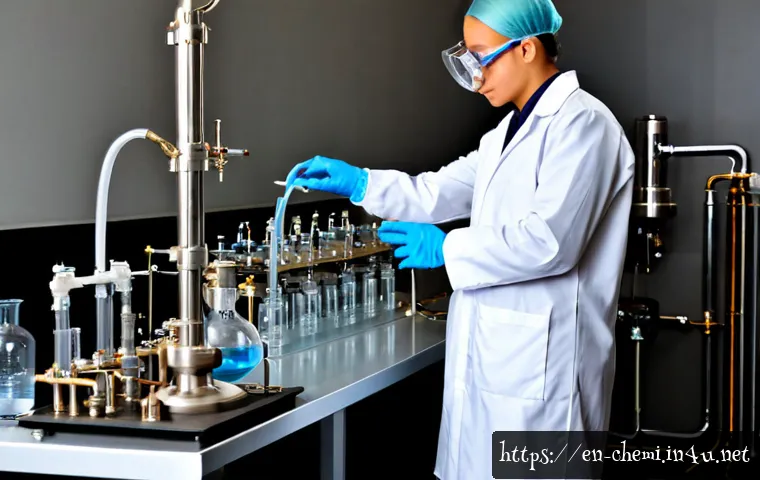
Safe operation starts before the equipment is powered on: inspect the setup, confirm operating limits, and use PPE that matches the experiment’s hazards.
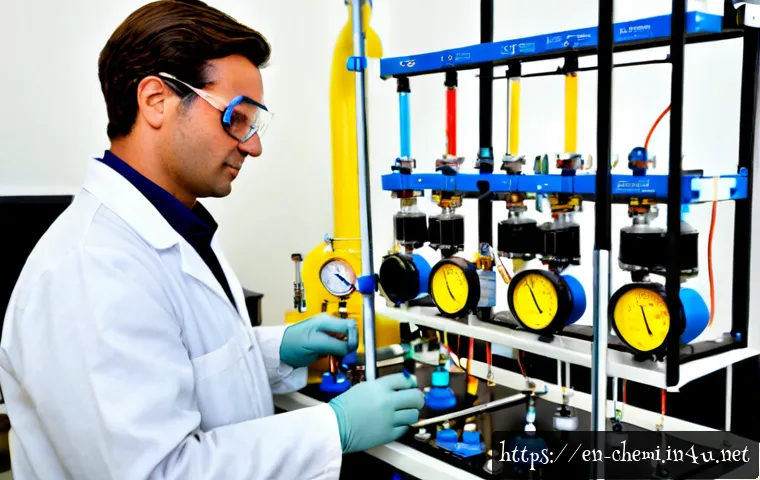
Stop and seek supervisor or trained service support when you find damage, leaks, missing guards, loose fittings, unclear labels, or readings that cannot be verified.
Standard operating guidance is useful for routine preparation and cleaning, while calibration services, maintenance support, or replacement decisions matter when measurement reliability, downtime, or process hazards are involved.
This guide helps students, technicians, and junior engineers compare those options without assuming that one solution fits every lab. Always follow the equipment manufacturer’s instructions and your facility’s safety procedures.
At a Glance
- Inspect equipment for visible damage, leaks, loose fittings, and missing safety guards before every run.
- Check temperature, pressure, flow, chemical compatibility, and utility requirements before operating a process setup.
- Use trained service support when safety, measurement verification, or equipment condition cannot be confirmed internally.
| Support Option | Best Consideration | Measurement and Safety Question | What to Confirm |
|---|---|---|---|
| New equipment | When the current setup no longer fits required capacity, hazard controls, or training needs | Will the new system meet the required operating limits and measurement needs? | Compatibility, safety guards, documentation, training, and replacement-part support |
| Repair | When a specific component or connection issue can be identified | Can the repaired unit be safely returned to service and verified afterward? | Repair scope, compatible parts, inspection records, and expected downtime |
| Calibration or verification | When readings affect experiment decisions, records, or repeatability | Are the instrument readings reliable for the intended measurement? | Calibration scope, verification method, documentation, and instrument condition |
| Rental or outsourced testing | When a temporary capability or specialist setup is needed | Can the work be completed without adding unmanaged operating risk? | Operating boundaries, training responsibility, service records, and equipment suitability |
Start With a Safe, Repeatable Equipment Check
The safest run begins with a consistent pre-run inspection. A chemical engineering laboratory setup may involve pressure, heat, moving parts, corrosive chemicals, and electrical energy. Treat the inspection as part of the experiment, not as an optional delay.
The Three Checks to Complete Before Switching Anything On
First, inspect the equipment condition. Look for visible damage, leaks, loose fittings, worn connections, and missing safety guards. Second, confirm that the assembly matches the intended experiment, including tubing routes, fittings, sensors, sample containers, and collection points. Third, confirm that the required personal protective equipment is appropriate for the hazards identified for the materials and process.
A short written checklist helps prevent a common problem: assuming that a setup is unchanged because it looks familiar. A fitting may have been moved, a sensor may have been replaced, or a previous user may have changed a connection.
Confirming Labels, Operating Limits, Utilities, and Emergency Controls
Before a run, review labels and available instructions for temperature, pressure, flow rate, and chemical compatibility. Confirm the utilities needed by the system, such as electrical power, heating, cooling, gases, or fluid supply, according to the approved procedure. Identify the relevant shutdown, isolation, and emergency controls before the system is active.
Do not fill in missing operating limits from memory. Exact equipment models, manufacturer instructions, facility rules, and experiment-specific limits must be checked locally.
When to Stop and Ask a Lab Supervisor or Service Technician
Stop the preparation if you find an unexplained leak, damaged component, loose connection, missing guard, unclear operating label, or an instrument reading that cannot be reasonably verified. Also pause when the materials appear incompatible with tubing, seals, glassware, or other wetted surfaces. A supervisor, qualified technician, or equipment service provider can help determine whether inspection, repair, calibration, or replacement is appropriate.
Compare Equipment Support Options Before Problems Become Expensive
Do not wait for a complete failure to compare support options. The right choice depends on measurement risk, process hazards, expected downtime, available documentation, and whether the equipment still supports the intended work.
New Equipment, Repair, Calibration, Rental, or Outsourced Testing
A new purchase may be worth reviewing when the existing system cannot safely meet current operating needs or lacks needed capability. Repair may be appropriate when the problem is limited and compatible replacement parts are available. Calibration or verification is especially relevant when reliable measurements affect experimental decisions. Rental or outsourced testing can be useful when a capability is temporary or requires specialist operation.
For any laboratory equipment purchase or service decision, compare the full scope rather than focusing only on the immediate task. Training, maintenance access, compatible consumables, cleaning requirements, and documentation all influence the practical value of a solution.
Comparison Factors: Downtime, Accuracy, Safety Risk, and Total Ownership Cost
Ask four direct questions: How long will the equipment be unavailable? How much does measurement reliability matter to the run? What hazard is created if the equipment performs unexpectedly? What additional needs follow the decision, such as service, training, cleaning, or parts? Total ownership cost is broader than the initial purchase or repair request.
Which Records to Request From Suppliers and Service Providers
Request records that clarify what was inspected, repaired, calibrated, or verified. For calibration services, compare calibration scope and confirm whether the documentation supports your intended use. For repairs, verify compatible replacement parts and ask what component condition was assessed. For equipment supply comparisons, review operating documentation, chemical compatibility information, service coverage, and training materials where available.
Core Operating Workflow for Common Process Lab Setups
A controlled workflow reduces both safety uncertainty and poor-quality data. Details differ by apparatus, so this sequence should support—not replace—the approved procedure for the specific equipment.
Assemble Tubing, Fittings, Sensors, and Sample Containers Correctly
Use the specified components and confirm that wetted materials are compatible with the process chemicals. Assemble tubing and fittings without forcing mismatched parts. Position sensors and sample containers according to the experiment setup, then recheck connections before introducing pressure, heat, or flow.
Start-Up Sequence: Utilities, Controls, Baseline Readings, and Gradual Loading
Confirm utilities and controls before startup. Where the procedure requires it, review baseline readings and complete instrument checks before loading the system. Introduce operating conditions gradually rather than making uncontrolled changes. This gives the operator time to observe whether the setup responds as expected.
Monitoring Temperature, Pressure, Flow, and Abnormal Changes During a Run
Monitor the variables relevant to the process, including temperature, pressure, flow, and instrument response. Unusual noise, vibration, heat, leaks, or drifting readings should not be treated as routine. Pause the run and follow the facility procedure when conditions differ from the expected operating behavior.
Safe Shutdown, Depressurization, Isolation, and Cleanup
Use the approved shutdown sequence. Where applicable, allow the system to cool, depressurize it safely, isolate utilities, and manage remaining materials according to the experiment procedure. Clean and dry components properly after use. This can reduce cross-contamination and help extend the usable life of laboratory components.
Common Mistakes That Affect Safety and Data Quality

Many equipment problems begin with small, preventable omissions. Catching them early protects both the operator and the usefulness of the resulting data.
Using Incompatible Seals, Tubing, Glassware, or Wetted Materials
Do not assume that a component is suitable just because it fits physically. Chemical compatibility must be checked for seals, tubing, containers, glassware, and all relevant wetted materials. If compatibility information is unavailable or unclear, ask for guidance before operating.
Skipping Leak Checks, Zero Checks, or Instrument Verification
Leaks and unverified readings can affect process control and experimental interpretation. Use the checks specified for the equipment and method. Many instruments require documented calibration or verification to support reliable measurements, particularly when the reading is used to make a process decision.
Overlooking Contamination, Carryover, and Incomplete Cleaning
Residue from a previous run can affect later samples or reactions. Cleaning is not only housekeeping; it is part of measurement quality and equipment care. Confirm that components are cleaned and dried appropriately before storage or reuse.
Treating Unusual Noise, Vibration, Heat, or Drift as Normal
Unexpected changes are signals to investigate, not conditions to normalize. Document what occurred, stop if required by the procedure, and involve a supervisor or service technician when equipment condition or safe operation is uncertain.
Adjust the Approach for Teaching, Research, and Pilot-Scale Work
The same basic checks apply across labs, but the operating boundary changes with the work. Match the level of documentation and support to the hazards and purpose of the setup.
Teaching Labs: Simple Checklists and Supervised Operating Boundaries
Teaching laboratories benefit from short, visible checklists that cover PPE, connections, operating limits, and shutdown steps. Students should know the point at which they must stop and ask for help rather than attempt an unapproved adjustment.
Research Labs: Traceable Data, Method Consistency, and Maintenance Logs
Research work often depends on repeatable methods and traceable records. Keep equipment checks, cleaning actions, calibration or verification records, and maintenance notes organized with the experiment documentation. This makes unexpected results easier to review.
Pilot Systems: Process Hazards, Capacity Limits, and Service Planning
Pilot-scale process work may combine more complex utilities, higher process energy, and more demanding maintenance planning. Confirm capacity and operating boundaries before a run, and plan service support before a small equipment issue becomes extended downtime.
Selection Criteria and Comparison Summary
Before approving a purchase, repair, calibration service, or rental, check these decision points:
- Hazard level: Does the equipment and support scope address pressure, heat, chemicals, moving parts, and electrical energy involved?
- Required accuracy: Is calibration or verification documentation needed for the intended measurements?
- Compatibility: Are tubing, seals, fittings, containers, and replacement parts suitable for the process materials?
- Training needs: Can the intended users operate, clean, and shut down the system within approved boundaries?
- Downtime and support: Is repair, rental, replacement, or outsourced testing the more practical option for the work schedule?
Before making a commitment, compare calibration scope, request a maintenance quote, and verify compatible replacement parts. Check the relevant supplier or service page for official conditions, available documentation, and equipment-specific support details.
Closing Thoughts
Reliable chemical engineering lab operation is built on simple habits: inspect before use, operate within confirmed limits, monitor changes, and clean equipment properly afterward. The right support decision depends on the specific equipment, process hazard, and measurement requirement. When documentation or equipment condition is uncertain, pause and obtain qualified guidance. A careful check before the run is usually easier than explaining an unsafe condition or questionable result afterward.
Useful Information to Keep in Mind
Keep records close to the equipment. A practical file or log can include operating instructions, inspection notes, cleaning records, calibration or verification documents, repair history, and compatible component information. This is useful when a new student, technician, or engineer needs to understand the current condition of a setup.
Important Notes
This article provides general laboratory equipment guidance only. Exact operating limits, maintenance needs, calibration requirements, compliance obligations, and emergency procedures depend on the equipment model, manufacturer documentation, facility rules, and experiment. Confirm those details before operation or procurement.
Frequently Asked Questions
Q1. What should I check before using chemical engineering laboratory equipment?
A1. Check for visible damage, leaks, loose fittings, and missing guards. Confirm the equipment labels, operating limits, chemical compatibility, required utilities, emergency controls, and PPE for the experiment. If any item is unclear, stop and ask a supervisor or qualified technician.
Q2. When is calibration or professional maintenance more cost-effective than replacing lab equipment?
A2. Calibration or maintenance may be worth comparing when the equipment remains suitable for the work but its measurement reliability or physical condition needs confirmation. Review downtime, safety risk, repair scope, available records, compatible parts, and the need for documented verification. Compare calibration scope or request a maintenance quote before deciding.
Q3. Which safety risks are most important when operating heated, pressurized, or fluid-flow lab systems?
A3. Key risks can include pressure, heat, moving parts, corrosive chemicals, and electrical energy. Confirm operating limits, secure connections, suitable wetted materials, required PPE, and the approved shutdown or isolation process before starting the system.