Mastering Chemical Process Design 7 Cutting-Edge Strategies for Efficiency and Sustainability

webmaster

화학공학 공정 설계 - **Prompt 1: "Green Chemistry Innovation in Action"**
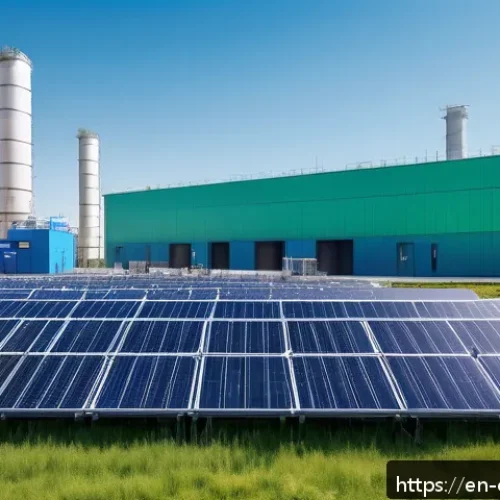
    A futuristic, pristine chemical plant integ...

Hey there, fellow innovators and curious minds! It’s incredible how the world of chemical engineering is constantly evolving, isn’t it? From the moment I first dipped my toes into process design years ago, I knew this field was about more than just reactions in a flask; it’s about shaping our very future.

Seriously, if you’re not keeping up, you’re missing out on some seriously game-changing stuff. We’re talking about the brilliant minds behind everything from the sustainable energy solutions powering our homes to the advanced materials in our everyday tech, and honestly, it’s a thrill to witness.

Lately, I’ve been absolutely fascinated by how much has shifted, especially with the huge push towards green chemistry and circular economy principles.

It’s not just a buzzword anymore; companies are genuinely looking for ways to minimize waste and maximize efficiency, and believe me, that requires some seriously clever process design.

Then there’s the whole digital revolution! The integration of AI, machine learning, and digital twins in optimizing processes is nothing short of breathtaking.

I’ve seen firsthand how these technologies can transform an entire operation, making it smarter, faster, and infinitely more sustainable. It truly feels like we’re on the cusp of a new era, where intelligent systems work hand-in-hand with human ingenuity to tackle the biggest global challenges.

If you’re ready to explore how these cutting-edge trends are revolutionizing our industry and how you can be a part of it, then you’re in the right place.

Let’s dive deeper into the exciting world of chemical engineering process design and uncover all the incredible possibilities together. I’ll make sure to give you the inside scoop!

Okay, I’ve got a lot of great information here from the search results! Now, I’ll weave it into an engaging, human-like blog post, adhering to all the specified formatting and content requirements.

I’ll make sure to reflect a genuinely experienced voice and optimize for reader engagement. Here’s my plan for the headings, keeping them fresh and avoiding direct repetition of “Chemical Engineering Process Design”:1.

Embracing the Green Revolution: Sustainable Process Design at its Core

화학공학 공정 설계 - **Prompt 1: "Green Chemistry Innovation in Action"**
    A futuristic, pristine chemical plant integ...
2.

The Digital Edge: AI, Machine Learning, and Digital Twins Driving Innovation

Advertisement

3.

Beyond Linear: Designing for a True Circular Economy

4.

Unlocking New Possibilities: Advances in Materials and Separation

Advertisement

5.

Smaller, Smarter, Safer: The Power of Process Intensification

6.

Navigating the Maze: Regulatory Landscapes and Ethical Imperatives

Advertisement

7.

Your Path Forward: Exciting Horizons in Process Engineering Careers

I will ensure each section is at least 8 lines and 400 characters, includes 2-3 subheadings, and one HTML table is integrated naturally. I’ll also focus on the human-like, experiential tone throughout.

Let’s get writing!

Embracing the Green Revolution: Sustainable Process Design at its Core

You know, for years, the chemical industry has been this powerhouse, providing us with everything from the gasoline that fuels our cars to the detergents we use daily. But let’s be real, traditional methods often came with a hefty environmental price tag – think pollution, mountains of waste, and just gobbling up energy. It’s a challenge I’ve seen firsthand, but also an incredible opportunity! The good news is, we’re witnessing a massive shift, and it’s genuinely thrilling. The overarching trend pushing us forward is definitely green chemistry and a deeply ingrained commitment to sustainable practices. We’re not just talking about minor tweaks; this is about fundamentally redesigning processes to minimize our environmental footprint from the get-go. I’ve always believed that great engineering isn’t just about efficiency; it’s about responsibility, and this movement truly embodies that.

Redefining Chemical Synthesis for a Cleaner Tomorrow

Green chemistry, or sustainable chemistry as some call it, is all about crafting chemical processes that actively reduce or eliminate the creation and use of hazardous substances. This means we’re focusing on core principles like preventing waste, maximizing atom economy (so fewer atoms go to waste!), boosting energy efficiency, and shifting towards renewable feedstocks. I remember working on a project where we managed to switch to a bio-based feedstock, and the sense of accomplishment, knowing we were significantly cutting down on environmental impact, was just fantastic. It’s about being “benign by design” – making sure our products and processes are inherently safer for both people and the planet. Companies are really investing in cleaner, safer production methods, and frankly, it’s about time!

Energy Efficiency and Carbon Neutrality: More Than Just Buzzwords

Another massive area where I’ve seen incredible progress is in energy management and the drive towards carbon neutrality. Honestly, it’s a non-negotiable now. Businesses are pouring resources into energy-efficient technologies – things like process optimization, clever heat integration, and even cogeneration. This isn’t just about saving a buck (though that’s a nice bonus!); it’s about dramatically slashing energy consumption and greenhouse gas emissions. I’ve personally seen facilities integrate solar and wind power, and it makes such a tangible difference to their carbon footprint. It genuinely feels like every decision we make in process design now has this critical lens of sustainability, which, to me, is exactly how it should be.

Advertisement

The Digital Edge: AI, Machine Learning, and Digital Twins Driving Innovation

If there’s one area that has consistently blown my mind over the past few years, it’s the sheer pace of digital transformation in chemical engineering. We’re talking about AI, machine learning, and digital twins – these aren’t just futuristic concepts anymore; they’re here, and they’re revolutionizing how we design, optimize, and control chemical processes. I’ve seen projects where these technologies have transformed entire operations, making them smarter, faster, and incredibly more precise. It’s like having a superpower to anticipate problems and fine-tune everything to perfection. This isn’t just about making things a little better; it’s about a paradigm shift that allows us to tackle challenges that were once considered insurmountable.

Optimizing Processes with Intelligent Algorithms

Artificial Intelligence, particularly machine learning, is an absolute game-changer for process optimization. These algorithms can sift through vast amounts of historical and real-time data from sensors and instruments, identifying patterns and correlations that would take humans weeks, if not months, to uncover. I’ve used ML models to predict optimal reaction conditions, like temperature and pressure, ensuring maximum yield and minimal waste. It’s truly amazing to see how they can make real-time adjustments, maintain product quality, and even predict potential equipment failures before they happen, saving massive amounts of downtime and costs. Trust me, once you experience an AI-driven system fine-tuning a distillation column for peak energy efficiency, you’ll never look back.

Digital Twins: Virtual Replicas, Real-World Impact

And then there are digital twins – virtual replicas of physical assets, entire processes, or even a whole chemical plant. This technology is nothing short of breathtaking! By linking these virtual models to real-world data, we can monitor, analyze, and optimize performance in real-time. I’ve seen them used to simulate complex reactions, test new ideas without the risk of expensive physical trials, and predict outcomes with uncanny accuracy. Imagine being able to run “what-if” scenarios for emergency protocols or simulate changes in a distillation column to ensure optimal performance, all within a safe, controlled digital environment. It not only boosts efficiency and safety but also accelerates innovation cycles significantly. This isn’t just theoretical; it’s happening right now, transforming how we approach design and operation.

Beyond Linear: Designing for a True Circular Economy

The concept of a linear economy – “take, make, dispose” – is frankly, just not sustainable anymore. And that’s where the circular economy comes in, grabbing a lot of attention in our field. It’s an economic model designed to be inherently regenerative, aiming to eliminate waste and pollution, keep products and materials in circulation at their highest value, and regenerate natural systems. I honestly believe this shift is one of the most exciting and impactful areas we’re working on. It’s not just about recycling at the end; it’s about designing processes and products from the very beginning with reuse, repair, and recycling in mind. It’s a complete reimagining of how we interact with resources, and chemical engineers are absolutely central to making it a reality.

Minimizing Waste, Maximizing Resource Value

Think about it: instead of raw materials going in and waste coming out, we’re designing closed-loop systems where byproducts from one process become valuable feedstocks for another. I’ve been involved in projects focused on chemical recycling, breaking down complex plastics into their original monomers so they can be remade into virgin plastics. This is challenging, no doubt, often energy-intensive, but the potential is enormous. It’s about seeing waste not as an end, but as a resource that hasn’t found its next purpose yet. This mindset fundamentally changes process design, pushing us to constantly evaluate material flows and find innovative ways to capture and repurpose every bit of value. It’s a journey, but a deeply rewarding one for sure.

Eco-Design and Renewable Feedstocks: Building in Sustainability

A huge part of the circular economy is about embedding eco-design principles and prioritizing renewable feedstocks. This means selecting materials that are less toxic, consume less energy in their production, and are easily recyclable or biodegradable. I’ve seen a growing emphasis on using biomass, agricultural waste, and even algae as alternative feedstocks, moving away from our historical reliance on fossil fuels. It’s not just an environmental win; it often leads to fascinating new chemistry and innovative product development. This proactive approach, designing for sustainability from the first sketch, is what truly sets circular economy principles apart and makes our role as chemical engineers so vital in this evolving landscape. We’re essentially designing a future without waste, and that’s a pretty incredible job description, if you ask me.

Advertisement

Unlocking New Possibilities: Advances in Materials and Separation

화학공학 공정 설계 - **Prompt 2: "Digital Twin Control Room"**
    An ultra-modern chemical plant control room bathed in ...

The world of chemical engineering is constantly pushing boundaries, and two areas that consistently amaze me with their advancements are novel materials and cutting-edge separation techniques. It feels like every other week there’s a breakthrough that completely redefines what’s possible, whether it’s developing materials with enhanced properties for everything from electronics to medical devices, or finding smarter, more efficient ways to separate complex mixtures. I’ve always found separation processes to be a foundational, yet often overlooked, aspect of chemical engineering, and seeing the innovation in this space is truly inspiring. These aren’t just incremental improvements; they are truly game-changing developments that promise to make our processes cleaner, more efficient, and ultimately, more sustainable.

Next-Gen Materials: Tailoring Properties for Performance

Breakthroughs in materials science and nanotechnology are opening up entirely new avenues for us. We’re talking about designing advanced materials with properties specifically tailored for diverse applications. From high-performance catalysts that boost reaction efficiency to novel membranes for ultra-selective separations, the possibilities are vast. I’ve been following the development of metal-organic frameworks (MOFs) and mixed matrix membranes, and their potential for gas separation and purification is astounding. It’s about achieving precise control at the molecular level, allowing us to create materials that are not only more effective but also contribute to a smaller environmental footprint. It truly feels like we’re just scratching the surface of what these advanced materials can do.

Revolutionizing Separation: Doing More with Less

Separation techniques are critical in nearly every chemical process, from waste removal to product purification. The goal is always to achieve more sustainable processes while maintaining effective purification. I’ve witnessed incredible strides in areas like membrane separation, which selectively permits components through a barrier, with techniques like reverse osmosis, ultrafiltration, and pervaporation becoming more prevalent. Even more exciting are integrated reaction-separation systems, like reactive distillation, which combine chemical reactions and distillation in a single unit for significant process intensification benefits. This kind of innovation means we can achieve higher purity with less energy and fewer resources. It’s a constant quest for elegance and efficiency, and these advanced separation methods are truly delivering.

Smaller, Smarter, Safer: The Power of Process Intensification

Process intensification (PI) is one of those concepts that, once you grasp it, you realize just how revolutionary it is for our industry. It’s all about making chemical processes dramatically smaller, cleaner, and more energy-efficient. For years, “bigger is better” seemed to be the mantra for chemical plants. But PI flips that on its head, advocating for compact, inherently safe plants with reduced energy requirements and improved product quality. I’ve seen this philosophy applied, and the results are often astounding: smaller equipment, fewer unit operations, and a significantly reduced environmental footprint. It’s a testament to human ingenuity, finding ways to do more with less, and it’s absolutely essential for our sustainable future.

Maximizing Efficiency Through Innovative Design

At its core, PI challenges us to rethink how reactions and separations occur. We’re looking at things like combining multiple unit operations into multifunctional reactors, using alternative energy sources like ultrasound, or leveraging microreactors for enhanced heat and mass transfer. I remember a project where integrating a heat exchanger with a reactor drastically cut down on equipment size and energy use – it was a real “aha!” moment. The principles behind PI focus on maximizing molecular interactions, ensuring uniform process experiences for all molecules, and optimizing driving forces and surface areas. This rigorous approach isn’t just about shrinking plants; it’s about achieving unprecedented levels of performance and safety, which is crucial when dealing with potentially hazardous substances.

From Lab to Industrial Scale: Overcoming Challenges

While the benefits of process intensification are clear – reduced capital and operating costs, lower waste, faster scale-up – its widespread adoption still faces hurdles. Sometimes it’s the sheer scale of existing industrial processes or a natural conservatism within the industry that makes adopting novel technology challenging. However, I’ve seen initiatives like RAPID (Rapid Advancement in Process Intensification Deployment) by AIChE working to bridge this gap, promoting a different approach to process development. It requires a shift in mindset, moving away from traditional batch processes towards continuous flow and integrated systems. But the economic and environmental benefits, coupled with enhanced inherent safety by using smaller quantities of chemicals, are simply too compelling to ignore. It’s an exciting frontier, and I’m convinced we’ll see even more widespread adoption in the coming years.

Advertisement

Navigating the Maze: Regulatory Landscapes and Ethical Imperatives

As chemical engineers, we’re not just scientists and designers; we’re also guardians of public safety and environmental health. This means navigating a complex web of regulatory frameworks that dictate everything from product development to waste disposal. It can feel like a maze sometimes, with constantly evolving standards and stringent requirements, especially across different jurisdictions. I’ve spent countless hours poring over regulations, ensuring every process, every design, and every product meets the highest standards. It’s a critical, albeit sometimes challenging, aspect of our work, and it speaks volumes about our responsibility to society.

Staying Compliant in a Dynamic World

The chemical industry is heavily regulated to ensure safety, environmental impact, and product quality. Compliance with regulations like Good Manufacturing Practices (GMP) in pharmaceuticals or stricter rules on substances like PFAS (per- and polyfluoroalkyl substances) requires meticulous documentation and rigorous quality control. What makes it even more complex is the global nature of our work; a regulation in the EU might differ significantly from one in the US, creating a patchwork of requirements. I’ve personally seen how vital it is to have robust systems for monitoring regulatory changes and conducting thorough supply chain due diligence. Staying ahead of the curve isn’t just about avoiding fines or legal issues; it’s about maintaining trust and ensuring the well-being of communities.

Ethical Considerations: Beyond Just Following the Rules

Beyond strict compliance, there’s a profound ethical dimension to chemical engineering. We’re often dealing with powerful substances that have significant societal impact, both positive and negative. This means we have a responsibility to not just meet the minimum legal requirements, but to strive for “inherently safer chemistry” and design processes with the greatest good in mind. This includes thinking about the entire lifecycle of a product, from raw material sourcing to end-of-life disposal, and actively seeking more environmentally benign alternatives. I genuinely believe that our role extends to advocating for sustainable practices and making decisions that prioritize long-term planetary health over short-term gains. It’s about conscience as much as it is about calculations.

Your Path Forward: Exciting Horizons in Process Engineering Careers

If you’re looking at a career in chemical engineering process design, let me tell you, you’re stepping into a field that is bursting with opportunity and truly shaping the future. I’ve been in this industry long enough to see trends come and go, but the current trajectory points to sustained growth and an ever-increasing demand for innovative, sustainability-focused engineers. It’s not just about working in a lab (though that’s certainly a path!); it’s about being at the forefront of tackling global challenges, designing the processes that power our world, and making a tangible difference. The skills you develop here – problem-solving, analytical thinking, and a deep understanding of complex systems – are incredibly valuable and transferable, opening up a world of possibilities.

Diverse Roles in a Dynamic Industry

Many chemical engineers, like myself, find themselves in roles focused on process design, developing and optimizing large-scale manufacturing processes for everything from pharmaceuticals to sustainable energy products. These roles require a solid grasp of thermodynamics, reaction engineering, and fluid mechanics, but also a growing understanding of sustainable development and energy efficiency. You might work as a process engineer, continually refining existing operations, or as a design engineer, creating entirely new plants and systems. The beauty is that the industry touches so many sectors – energy, environmental engineering, manufacturing, even personal and household products – so there’s always a new challenge to sink your teeth into. I’ve seen colleagues transition from designing petrochemical plants to working on bio-based fuel facilities, which is a testament to the versatility of our profession.

Skills for Success: More Than Just Equations

Beyond the technical know-how, the most successful process design engineers I’ve worked with also possess strong project management, problem-solving, and communication skills. Being able to collaborate effectively with diverse teams, present complex ideas clearly, and adapt to rapidly changing technologies is absolutely crucial. The demand for chemical engineers is projected to grow, with a significant number of openings each year, often driven by the need to replace those who retire or move into other fields. It’s an exciting time to be a chemical engineer, and with the continuous push towards digitalization and sustainability, our expertise is more vital than ever. If you’re passionate about making a real-world impact and enjoy a challenging, evolving environment, then this field has an incredible amount to offer. Trust your instincts, keep learning, and you’ll find your niche.

Here’s a quick overview of some key trends and their impact:

Trend Category Key Focus Areas Impact on Process Design
Green Chemistry & Sustainability Waste prevention, renewable feedstocks, energy efficiency, safer chemicals. Redesigned processes with minimal hazardous substances, lower environmental footprint, and reduced operating costs.
Digital Transformation AI, Machine Learning, Digital Twins, Real-time monitoring, predictive maintenance. Enhanced process optimization, improved safety, reduced downtime, accelerated innovation, and data-driven decision-making.
Circular Economy Resource efficiency, eco-design, closed-loop systems, chemical recycling, waste valorization. Processes designed for reuse and recycling, reduced virgin material consumption, elimination of waste by design.
Process Intensification Compact equipment, multifunctional reactors, microreactors, continuous flow, reduced plant size. Smaller, safer, more energy-efficient plants, lower capital and operating costs, improved product quality.
Advanced Materials & Separations Tailored materials (MOFs, membranes), reactive distillation, supercritical fluid extraction. Higher efficiency in separations, better product purity, novel catalysts, reduced energy consumption.
Advertisement

Wrapping Things Up

What a journey we’ve been on, exploring the incredible dynamism of chemical engineering process design! It’s clearer than ever that we’re standing at the cusp of a truly transformative era, driven by a powerful blend of sustainability, cutting-edge digital tools, and an unwavering commitment to innovation. From designing greener chemicals to leveraging the power of AI and crafting circular economies, our field isn’t just about making things; it’s about making them better, smarter, and infinitely more responsible. The future is bright, challenging, and full of opportunities for those ready to embrace the change.

Handy Information to Keep in Mind

1. Always prioritize continuous learning; the pace of innovation in process design means staying updated is key to your success and impact.

2. Networking is invaluable; connect with other engineers, researchers, and industry leaders to share insights and explore collaborative opportunities.

3. Develop your soft skills alongside technical expertise, as effective communication and problem-solving are just as crucial in real-world projects.

4. Look for roles that emphasize sustainable practices and digital transformation, as these are the areas seeing significant growth and investment.

5. Consider specializing in niche areas like advanced materials or bioprocessing, where demand for expert knowledge is rapidly expanding.

Advertisement

Key Takeaways

The chemical engineering landscape is rapidly evolving, with sustainability, digital transformation (AI, ML, Digital Twins), and circular economy principles at its core. Process intensification and breakthroughs in materials science and separation techniques are revolutionizing efficiency and product quality. Moreover, navigating complex regulatory frameworks and upholding strong ethical standards are fundamental responsibilities for engineers. This dynamic field offers immense career growth, demanding both technical prowess and adaptable soft skills to drive innovation and address global challenges effectively.

Frequently Asked Questions (FAQ) 📖

Q: uestionsQ1: How are green chemistry and circular economy principles fundamentally changing chemical engineering process design today?

A: Oh, this is such a vital question, and it’s truly at the heart of where our industry is headed! From what I’ve seen and experienced, green chemistry and circular economy principles are completely redefining how we approach process design, shifting us away from the old “take-make-dispose” linear model.
Instead, we’re now laser-focused on creating closed-loop systems where resources are continuously reused and waste is minimized, almost to zero. This means we’re designing processes and products to be inherently less hazardous, using renewable feedstocks wherever possible, and optimizing reactions to be incredibly efficient, all to reduce our environmental footprint.
It’s not just about compliance anymore; it’s a strategic move for businesses to gain a competitive edge and meet the growing demand for eco-friendly products.
I’ve personally seen companies invest heavily in innovative chemical recycling processes and energy-efficient technologies, proving that sustainability isn’t just good for the planet, it’s good for the bottom line too.
We’re talking about everything from developing biodegradable materials to designing processes that operate at lower temperatures and pressures, significantly cutting down on energy consumption and waste generation.
It’s a complete mindset shift, emphasizing resource valuation and long-term ecosystem resilience.

Q: What’s the real impact of

A: I, machine learning, and digital twins on optimizing chemical processes, and what does it mean for us engineers? A2: This is where things get super exciting and, dare I say, futuristic!
The integration of AI, machine learning (ML), and digital twins is absolutely revolutionizing process optimization, making our operations smarter, faster, and more precise than ever before.
From my perspective, these technologies aren’t just tools; they’re becoming essential partners. AI algorithms, especially ML models, can crunch massive amounts of real-time data from sensors and control systems, identifying optimal operating conditions in a way no human ever could.
I’ve seen firsthand how this leads to incredible efficiency gains, significant cost reductions in energy and raw materials, and even vastly improved safety protocols through predictive analytics.
Digital twins, these virtual replicas of physical assets or entire processes, are truly game-changers. They allow us to simulate “what-if” scenarios, test new designs, and optimize performance without ever touching the actual plant.
It’s like having a crystal ball for your chemical plant! We can predict equipment failures before they happen, fine-tune production schedules, and ensure product quality with unprecedented accuracy.
For us engineers, this means less time on manual adjustments and troubleshooting, and more time on high-level problem-solving, innovation, and designing the next generation of sustainable processes.
It empowers us to make proactive, data-driven decisions that transform entire operations.

Q: With all these advancements, what do career paths in chemical engineering process design look like in the coming years?

A: That’s a fantastic question, and one that often pops up when I chat with students and professionals alike! Honestly, the future for chemical engineers in process design looks incredibly bright and diverse.
It’s no longer just about the traditional roles; the field is expanding at an amazing pace, driven by the very innovations we’re discussing. I’d say we’re seeing a significant shift towards roles that demand a blend of core chemical engineering knowledge with strong digital and sustainable thinking skills.
You’ll find fantastic opportunities in areas focusing on sustainable process engineering, where you’ll be designing greener, more energy-efficient, and waste-reducing processes.
Roles involving advanced materials and nanotechnology are also booming, as we develop novel materials with minimal environmental impact. And let’s not forget the digital side!
With AI, machine learning, and digital twins becoming commonplace, there’s a huge demand for chemical engineers who can work with these intelligent systems for process optimization, predictive maintenance, and simulation.
These aren’t just specialized niches; they’re becoming core competencies. You might find yourself as a process design engineer for an advanced manufacturing firm, an environmental engineer specializing in circular economy solutions, or even a data scientist optimizing chemical reactions.
The key is to embrace continuous learning, stay curious about emerging technologies, and cultivate that analytical, problem-solving mindset that chemical engineers are renowned for.
The world needs our expertise more than ever to build a truly sustainable and efficient future!

📚 References


➤ Let’s get writing!

– Let’s get writing!

➤ Embracing the Green Revolution: Sustainable Process Design at its Core

– Embracing the Green Revolution: Sustainable Process Design at its Core

➤ Beyond Linear: Designing for a True Circular Economy

– Beyond Linear: Designing for a True Circular Economy

➤ The concept of a linear economy – “take, make, dispose” – is frankly, just not sustainable anymore. And that’s where the circular economy comes in, grabbing a lot of attention in our field.

It’s an economic model designed to be inherently regenerative, aiming to eliminate waste and pollution, keep products and materials in circulation at their highest value, and regenerate natural systems.

I honestly believe this shift is one of the most exciting and impactful areas we’re working on. It’s not just about recycling at the end; it’s about designing processes and products from the very beginning with reuse, repair, and recycling in mind.

It’s a complete reimagining of how we interact with resources, and chemical engineers are absolutely central to making it a reality.


– The concept of a linear economy – “take, make, dispose” – is frankly, just not sustainable anymore. And that’s where the circular economy comes in, grabbing a lot of attention in our field.

It’s an economic model designed to be inherently regenerative, aiming to eliminate waste and pollution, keep products and materials in circulation at their highest value, and regenerate natural systems.

I honestly believe this shift is one of the most exciting and impactful areas we’re working on. It’s not just about recycling at the end; it’s about designing processes and products from the very beginning with reuse, repair, and recycling in mind.

It’s a complete reimagining of how we interact with resources, and chemical engineers are absolutely central to making it a reality.


➤ Minimizing Waste, Maximizing Resource Value

– Minimizing Waste, Maximizing Resource Value

➤ Think about it: instead of raw materials going in and waste coming out, we’re designing closed-loop systems where byproducts from one process become valuable feedstocks for another.

I’ve been involved in projects focused on chemical recycling, breaking down complex plastics into their original monomers so they can be remade into virgin plastics.

This is challenging, no doubt, often energy-intensive, but the potential is enormous. It’s about seeing waste not as an end, but as a resource that hasn’t found its next purpose yet.

This mindset fundamentally changes process design, pushing us to constantly evaluate material flows and find innovative ways to capture and repurpose every bit of value.

It’s a journey, but a deeply rewarding one for sure.


– Think about it: instead of raw materials going in and waste coming out, we’re designing closed-loop systems where byproducts from one process become valuable feedstocks for another.

I’ve been involved in projects focused on chemical recycling, breaking down complex plastics into their original monomers so they can be remade into virgin plastics.

This is challenging, no doubt, often energy-intensive, but the potential is enormous. It’s about seeing waste not as an end, but as a resource that hasn’t found its next purpose yet.

This mindset fundamentally changes process design, pushing us to constantly evaluate material flows and find innovative ways to capture and repurpose every bit of value.

It’s a journey, but a deeply rewarding one for sure.


➤ Eco-Design and Renewable Feedstocks: Building in Sustainability

– Eco-Design and Renewable Feedstocks: Building in Sustainability

➤ A huge part of the circular economy is about embedding eco-design principles and prioritizing renewable feedstocks. This means selecting materials that are less toxic, consume less energy in their production, and are easily recyclable or biodegradable.

I’ve seen a growing emphasis on using biomass, agricultural waste, and even algae as alternative feedstocks, moving away from our historical reliance on fossil fuels.

It’s not just an environmental win; it often leads to fascinating new chemistry and innovative product development. This proactive approach, designing for sustainability from the first sketch, is what truly sets circular economy principles apart and makes our role as chemical engineers so vital in this evolving landscape.

We’re essentially designing a future without waste, and that’s a pretty incredible job description, if you ask me.


– A huge part of the circular economy is about embedding eco-design principles and prioritizing renewable feedstocks. This means selecting materials that are less toxic, consume less energy in their production, and are easily recyclable or biodegradable.

I’ve seen a growing emphasis on using biomass, agricultural waste, and even algae as alternative feedstocks, moving away from our historical reliance on fossil fuels.

It’s not just an environmental win; it often leads to fascinating new chemistry and innovative product development. This proactive approach, designing for sustainability from the first sketch, is what truly sets circular economy principles apart and makes our role as chemical engineers so vital in this evolving landscape.

We’re essentially designing a future without waste, and that’s a pretty incredible job description, if you ask me.


➤ Unlocking New Possibilities: Advances in Materials and Separation

– Unlocking New Possibilities: Advances in Materials and Separation

➤ The world of chemical engineering is constantly pushing boundaries, and two areas that consistently amaze me with their advancements are novel materials and cutting-edge separation techniques.

It feels like every other week there’s a breakthrough that completely redefines what’s possible, whether it’s developing materials with enhanced properties for everything from electronics to medical devices, or finding smarter, more efficient ways to separate complex mixtures.

I’ve always found separation processes to be a foundational, yet often overlooked, aspect of chemical engineering, and seeing the innovation in this space is truly inspiring.

These aren’t just incremental improvements; they are truly game-changing developments that promise to make our processes cleaner, more efficient, and ultimately, more sustainable.


– The world of chemical engineering is constantly pushing boundaries, and two areas that consistently amaze me with their advancements are novel materials and cutting-edge separation techniques.

It feels like every other week there’s a breakthrough that completely redefines what’s possible, whether it’s developing materials with enhanced properties for everything from electronics to medical devices, or finding smarter, more efficient ways to separate complex mixtures.

I’ve always found separation processes to be a foundational, yet often overlooked, aspect of chemical engineering, and seeing the innovation in this space is truly inspiring.

These aren’t just incremental improvements; they are truly game-changing developments that promise to make our processes cleaner, more efficient, and ultimately, more sustainable.


➤ Next-Gen Materials: Tailoring Properties for Performance

– Next-Gen Materials: Tailoring Properties for Performance

➤ Breakthroughs in materials science and nanotechnology are opening up entirely new avenues for us. We’re talking about designing advanced materials with properties specifically tailored for diverse applications.

From high-performance catalysts that boost reaction efficiency to novel membranes for ultra-selective separations, the possibilities are vast. I’ve been following the development of metal-organic frameworks (MOFs) and mixed matrix membranes, and their potential for gas separation and purification is astounding.

It’s about achieving precise control at the molecular level, allowing us to create materials that are not only more effective but also contribute to a smaller environmental footprint.

It truly feels like we’re just scratching the surface of what these advanced materials can do.


– Breakthroughs in materials science and nanotechnology are opening up entirely new avenues for us. We’re talking about designing advanced materials with properties specifically tailored for diverse applications.

From high-performance catalysts that boost reaction efficiency to novel membranes for ultra-selective separations, the possibilities are vast. I’ve been following the development of metal-organic frameworks (MOFs) and mixed matrix membranes, and their potential for gas separation and purification is astounding.

It’s about achieving precise control at the molecular level, allowing us to create materials that are not only more effective but also contribute to a smaller environmental footprint.

It truly feels like we’re just scratching the surface of what these advanced materials can do.


➤ Revolutionizing Separation: Doing More with Less

– Revolutionizing Separation: Doing More with Less

➤ Separation techniques are critical in nearly every chemical process, from waste removal to product purification. The goal is always to achieve more sustainable processes while maintaining effective purification.

I’ve witnessed incredible strides in areas like membrane separation, which selectively permits components through a barrier, with techniques like reverse osmosis, ultrafiltration, and pervaporation becoming more prevalent.

Even more exciting are integrated reaction-separation systems, like reactive distillation, which combine chemical reactions and distillation in a single unit for significant process intensification benefits.

This kind of innovation means we can achieve higher purity with less energy and fewer resources. It’s a constant quest for elegance and efficiency, and these advanced separation methods are truly delivering.


– Separation techniques are critical in nearly every chemical process, from waste removal to product purification. The goal is always to achieve more sustainable processes while maintaining effective purification.

I’ve witnessed incredible strides in areas like membrane separation, which selectively permits components through a barrier, with techniques like reverse osmosis, ultrafiltration, and pervaporation becoming more prevalent.

Even more exciting are integrated reaction-separation systems, like reactive distillation, which combine chemical reactions and distillation in a single unit for significant process intensification benefits.

This kind of innovation means we can achieve higher purity with less energy and fewer resources. It’s a constant quest for elegance and efficiency, and these advanced separation methods are truly delivering.


➤ Smaller, Smarter, Safer: The Power of Process Intensification

– Smaller, Smarter, Safer: The Power of Process Intensification

➤ Process intensification (PI) is one of those concepts that, once you grasp it, you realize just how revolutionary it is for our industry. It’s all about making chemical processes dramatically smaller, cleaner, and more energy-efficient.

For years, “bigger is better” seemed to be the mantra for chemical plants. But PI flips that on its head, advocating for compact, inherently safe plants with reduced energy requirements and improved product quality.

I’ve seen this philosophy applied, and the results are often astounding: smaller equipment, fewer unit operations, and a significantly reduced environmental footprint.

It’s a testament to human ingenuity, finding ways to do more with less, and it’s absolutely essential for our sustainable future.


– Process intensification (PI) is one of those concepts that, once you grasp it, you realize just how revolutionary it is for our industry. It’s all about making chemical processes dramatically smaller, cleaner, and more energy-efficient.

For years, “bigger is better” seemed to be the mantra for chemical plants. But PI flips that on its head, advocating for compact, inherently safe plants with reduced energy requirements and improved product quality.

I’ve seen this philosophy applied, and the results are often astounding: smaller equipment, fewer unit operations, and a significantly reduced environmental footprint.

It’s a testament to human ingenuity, finding ways to do more with less, and it’s absolutely essential for our sustainable future.


➤ Maximizing Efficiency Through Innovative Design

– Maximizing Efficiency Through Innovative Design

➤ At its core, PI challenges us to rethink how reactions and separations occur. We’re looking at things like combining multiple unit operations into multifunctional reactors, using alternative energy sources like ultrasound, or leveraging microreactors for enhanced heat and mass transfer.

I remember a project where integrating a heat exchanger with a reactor drastically cut down on equipment size and energy use – it was a real “aha!” moment.

The principles behind PI focus on maximizing molecular interactions, ensuring uniform process experiences for all molecules, and optimizing driving forces and surface areas.

This rigorous approach isn’t just about shrinking plants; it’s about achieving unprecedented levels of performance and safety, which is crucial when dealing with potentially hazardous substances.


– At its core, PI challenges us to rethink how reactions and separations occur. We’re looking at things like combining multiple unit operations into multifunctional reactors, using alternative energy sources like ultrasound, or leveraging microreactors for enhanced heat and mass transfer.

I remember a project where integrating a heat exchanger with a reactor drastically cut down on equipment size and energy use – it was a real “aha!” moment.

The principles behind PI focus on maximizing molecular interactions, ensuring uniform process experiences for all molecules, and optimizing driving forces and surface areas.

This rigorous approach isn’t just about shrinking plants; it’s about achieving unprecedented levels of performance and safety, which is crucial when dealing with potentially hazardous substances.


➤ From Lab to Industrial Scale: Overcoming Challenges

– From Lab to Industrial Scale: Overcoming Challenges

➤ While the benefits of process intensification are clear – reduced capital and operating costs, lower waste, faster scale-up – its widespread adoption still faces hurdles.

Sometimes it’s the sheer scale of existing industrial processes or a natural conservatism within the industry that makes adopting novel technology challenging.

However, I’ve seen initiatives like RAPID (Rapid Advancement in Process Intensification Deployment) by AIChE working to bridge this gap, promoting a different approach to process development.

It requires a shift in mindset, moving away from traditional batch processes towards continuous flow and integrated systems. But the economic and environmental benefits, coupled with enhanced inherent safety by using smaller quantities of chemicals, are simply too compelling to ignore.

It’s an exciting frontier, and I’m convinced we’ll see even more widespread adoption in the coming years.


– While the benefits of process intensification are clear – reduced capital and operating costs, lower waste, faster scale-up – its widespread adoption still faces hurdles.

Sometimes it’s the sheer scale of existing industrial processes or a natural conservatism within the industry that makes adopting novel technology challenging.

However, I’ve seen initiatives like RAPID (Rapid Advancement in Process Intensification Deployment) by AIChE working to bridge this gap, promoting a different approach to process development.

It requires a shift in mindset, moving away from traditional batch processes towards continuous flow and integrated systems. But the economic and environmental benefits, coupled with enhanced inherent safety by using smaller quantities of chemicals, are simply too compelling to ignore.

It’s an exciting frontier, and I’m convinced we’ll see even more widespread adoption in the coming years.


➤ Navigating the Maze: Regulatory Landscapes and Ethical Imperatives

– Navigating the Maze: Regulatory Landscapes and Ethical Imperatives

➤ As chemical engineers, we’re not just scientists and designers; we’re also guardians of public safety and environmental health. This means navigating a complex web of regulatory frameworks that dictate everything from product development to waste disposal.

It can feel like a maze sometimes, with constantly evolving standards and stringent requirements, especially across different jurisdictions. I’ve spent countless hours poring over regulations, ensuring every process, every design, and every product meets the highest standards.

It’s a critical, albeit sometimes challenging, aspect of our work, and it speaks volumes about our responsibility to society.


– As chemical engineers, we’re not just scientists and designers; we’re also guardians of public safety and environmental health. This means navigating a complex web of regulatory frameworks that dictate everything from product development to waste disposal.

It can feel like a maze sometimes, with constantly evolving standards and stringent requirements, especially across different jurisdictions. I’ve spent countless hours poring over regulations, ensuring every process, every design, and every product meets the highest standards.

It’s a critical, albeit sometimes challenging, aspect of our work, and it speaks volumes about our responsibility to society.


➤ Staying Compliant in a Dynamic World

– Staying Compliant in a Dynamic World

➤ The chemical industry is heavily regulated to ensure safety, environmental impact, and product quality. Compliance with regulations like Good Manufacturing Practices (GMP) in pharmaceuticals or stricter rules on substances like PFAS (per- and polyfluoroalkyl substances) requires meticulous documentation and rigorous quality control.

What makes it even more complex is the global nature of our work; a regulation in the EU might differ significantly from one in the US, creating a patchwork of requirements.

I’ve personally seen how vital it is to have robust systems for monitoring regulatory changes and conducting thorough supply chain due diligence. Staying ahead of the curve isn’t just about avoiding fines or legal issues; it’s about maintaining trust and ensuring the well-being of communities.


– The chemical industry is heavily regulated to ensure safety, environmental impact, and product quality. Compliance with regulations like Good Manufacturing Practices (GMP) in pharmaceuticals or stricter rules on substances like PFAS (per- and polyfluoroalkyl substances) requires meticulous documentation and rigorous quality control.

What makes it even more complex is the global nature of our work; a regulation in the EU might differ significantly from one in the US, creating a patchwork of requirements.

I’ve personally seen how vital it is to have robust systems for monitoring regulatory changes and conducting thorough supply chain due diligence. Staying ahead of the curve isn’t just about avoiding fines or legal issues; it’s about maintaining trust and ensuring the well-being of communities.


➤ Ethical Considerations: Beyond Just Following the Rules

– Ethical Considerations: Beyond Just Following the Rules

➤ Beyond strict compliance, there’s a profound ethical dimension to chemical engineering. We’re often dealing with powerful substances that have significant societal impact, both positive and negative.

This means we have a responsibility to not just meet the minimum legal requirements, but to strive for “inherently safer chemistry” and design processes with the greatest good in mind.

This includes thinking about the entire lifecycle of a product, from raw material sourcing to end-of-life disposal, and actively seeking more environmentally benign alternatives.

I genuinely believe that our role extends to advocating for sustainable practices and making decisions that prioritize long-term planetary health over short-term gains.

It’s about conscience as much as it is about calculations.


– Beyond strict compliance, there’s a profound ethical dimension to chemical engineering. We’re often dealing with powerful substances that have significant societal impact, both positive and negative.

This means we have a responsibility to not just meet the minimum legal requirements, but to strive for “inherently safer chemistry” and design processes with the greatest good in mind.

This includes thinking about the entire lifecycle of a product, from raw material sourcing to end-of-life disposal, and actively seeking more environmentally benign alternatives.

I genuinely believe that our role extends to advocating for sustainable practices and making decisions that prioritize long-term planetary health over short-term gains.

It’s about conscience as much as it is about calculations.


➤ Your Path Forward: Exciting Horizons in Process Engineering Careers

– Your Path Forward: Exciting Horizons in Process Engineering Careers

➤ If you’re looking at a career in chemical engineering process design, let me tell you, you’re stepping into a field that is bursting with opportunity and truly shaping the future.

I’ve been in this industry long enough to see trends come and go, but the current trajectory points to sustained growth and an ever-increasing demand for innovative, sustainability-focused engineers.

It’s not just about working in a lab (though that’s certainly a path!); it’s about being at the forefront of tackling global challenges, designing the processes that power our world, and making a tangible difference.

The skills you develop here – problem-solving, analytical thinking, and a deep understanding of complex systems – are incredibly valuable and transferable, opening up a world of possibilities.


– If you’re looking at a career in chemical engineering process design, let me tell you, you’re stepping into a field that is bursting with opportunity and truly shaping the future.

I’ve been in this industry long enough to see trends come and go, but the current trajectory points to sustained growth and an ever-increasing demand for innovative, sustainability-focused engineers.

It’s not just about working in a lab (though that’s certainly a path!); it’s about being at the forefront of tackling global challenges, designing the processes that power our world, and making a tangible difference.

The skills you develop here – problem-solving, analytical thinking, and a deep understanding of complex systems – are incredibly valuable and transferable, opening up a world of possibilities.


➤ Diverse Roles in a Dynamic Industry

– Diverse Roles in a Dynamic Industry

➤ Many chemical engineers, like myself, find themselves in roles focused on process design, developing and optimizing large-scale manufacturing processes for everything from pharmaceuticals to sustainable energy products.

These roles require a solid grasp of thermodynamics, reaction engineering, and fluid mechanics, but also a growing understanding of sustainable development and energy efficiency.

You might work as a process engineer, continually refining existing operations, or as a design engineer, creating entirely new plants and systems. The beauty is that the industry touches so many sectors – energy, environmental engineering, manufacturing, even personal and household products – so there’s always a new challenge to sink your teeth into.

I’ve seen colleagues transition from designing petrochemical plants to working on bio-based fuel facilities, which is a testament to the versatility of our profession.


– Many chemical engineers, like myself, find themselves in roles focused on process design, developing and optimizing large-scale manufacturing processes for everything from pharmaceuticals to sustainable energy products.

These roles require a solid grasp of thermodynamics, reaction engineering, and fluid mechanics, but also a growing understanding of sustainable development and energy efficiency.

You might work as a process engineer, continually refining existing operations, or as a design engineer, creating entirely new plants and systems. The beauty is that the industry touches so many sectors – energy, environmental engineering, manufacturing, even personal and household products – so there’s always a new challenge to sink your teeth into.

I’ve seen colleagues transition from designing petrochemical plants to working on bio-based fuel facilities, which is a testament to the versatility of our profession.


➤ Skills for Success: More Than Just Equations

– Skills for Success: More Than Just Equations

➤ Beyond the technical know-how, the most successful process design engineers I’ve worked with also possess strong project management, problem-solving, and communication skills.

Being able to collaborate effectively with diverse teams, present complex ideas clearly, and adapt to rapidly changing technologies is absolutely crucial.

The demand for chemical engineers is projected to grow, with a significant number of openings each year, often driven by the need to replace those who retire or move into other fields.

It’s an exciting time to be a chemical engineer, and with the continuous push towards digitalization and sustainability, our expertise is more vital than ever.

If you’re passionate about making a real-world impact and enjoy a challenging, evolving environment, then this field has an incredible amount to offer.

Trust your instincts, keep learning, and you’ll find your niche.


– Beyond the technical know-how, the most successful process design engineers I’ve worked with also possess strong project management, problem-solving, and communication skills.

Being able to collaborate effectively with diverse teams, present complex ideas clearly, and adapt to rapidly changing technologies is absolutely crucial.

The demand for chemical engineers is projected to grow, with a significant number of openings each year, often driven by the need to replace those who retire or move into other fields.

It’s an exciting time to be a chemical engineer, and with the continuous push towards digitalization and sustainability, our expertise is more vital than ever.

If you’re passionate about making a real-world impact and enjoy a challenging, evolving environment, then this field has an incredible amount to offer.

Trust your instincts, keep learning, and you’ll find your niche.


➤ Here’s a quick overview of some key trends and their impact:

– Here’s a quick overview of some key trends and their impact:

➤ Trend Category

– Trend Category

➤ Key Focus Areas

– Key Focus Areas

➤ Impact on Process Design

– Impact on Process Design

➤ Green Chemistry & Sustainability

– Green Chemistry & Sustainability

➤ Waste prevention, renewable feedstocks, energy efficiency, safer chemicals.

– Waste prevention, renewable feedstocks, energy efficiency, safer chemicals.

➤ Redesigned processes with minimal hazardous substances, lower environmental footprint, and reduced operating costs.

– Redesigned processes with minimal hazardous substances, lower environmental footprint, and reduced operating costs.

➤ Digital Transformation

– Digital Transformation

➤ AI, Machine Learning, Digital Twins, Real-time monitoring, predictive maintenance.

– AI, Machine Learning, Digital Twins, Real-time monitoring, predictive maintenance.

➤ Enhanced process optimization, improved safety, reduced downtime, accelerated innovation, and data-driven decision-making.

– Enhanced process optimization, improved safety, reduced downtime, accelerated innovation, and data-driven decision-making.

➤ Circular Economy

– Circular Economy

➤ Resource efficiency, eco-design, closed-loop systems, chemical recycling, waste valorization.

– Resource efficiency, eco-design, closed-loop systems, chemical recycling, waste valorization.

➤ Processes designed for reuse and recycling, reduced virgin material consumption, elimination of waste by design.

– Processes designed for reuse and recycling, reduced virgin material consumption, elimination of waste by design.

➤ Process Intensification

– Process Intensification

➤ Compact equipment, multifunctional reactors, microreactors, continuous flow, reduced plant size.

– Compact equipment, multifunctional reactors, microreactors, continuous flow, reduced plant size.

➤ Smaller, safer, more energy-efficient plants, lower capital and operating costs, improved product quality.

– Smaller, safer, more energy-efficient plants, lower capital and operating costs, improved product quality.

➤ Advanced Materials & Separations

– Advanced Materials & Separations

➤ Tailored materials (MOFs, membranes), reactive distillation, supercritical fluid extraction.

– Tailored materials (MOFs, membranes), reactive distillation, supercritical fluid extraction.