Hey everyone, it’s your favorite go-to for all things cutting-edge and practical! You know, when I first started digging into the sheer breadth of chemical engineering, I was absolutely blown away.

We often hear the term, but do we truly grasp how deeply it’s woven into our everyday lives, shaping everything from the medicine we take to the screens we’re reading this on?
It’s not just about beakers and formulas anymore; we’re talking about tackling global challenges like climate change, pioneering sustainable energy solutions, and even revolutionizing healthcare through advanced materials.
The industry is buzzing with incredible innovations, pushing boundaries with AI-driven processes and bio-inspired designs that are frankly, mind-boggling.
I’ve personally seen how these brilliant minds are transforming raw materials into invaluable products, making our world safer, cleaner, and way more efficient.
Trust me, the future looks incredibly bright and fascinating because of these advancements! Let’s dive in and unravel the intricate world of chemical engineering applications, I’ll make sure you get all the juicy details!
The Silent Architects of Our Daily Comforts
Ever stopped to think about how that wrinkle-free shirt got its magic, or why your favorite snack stays fresh for so long? These aren’t just random acts of manufacturing; they’re the direct result of chemical engineering brilliance. I remember touring a textile plant once, and honestly, my mind was blown by the intricate processes involved in turning raw fibers into fabrics with specific properties – think stain resistance, waterproofing, or even color fastness. Chemical engineers are the masterminds behind optimizing these processes, ensuring we get consistent quality and innovative features in everything from our morning coffee cup to the robust tires on our cars. They’re constantly tinkering with formulations and production lines, driven by a desire to make things better, more durable, and more convenient for us all. It’s truly incredible how much thought goes into the everyday items we often take for granted. I’ve personally seen the dedication that goes into developing new coatings for everything from non-stick pans to protective layers on electronic devices, all designed to enhance performance and extend product life. Their work is fundamentally about transforming raw materials into the incredibly diverse array of products that define our modern existence, constantly seeking efficiency and innovation. It’s a field that genuinely touches every single aspect of our day, even when we’re completely unaware of it.
Crafting Consumer Goods, From Scratch to Shelf
From the moment you wake up and brush your teeth to the time you wind down with a streaming show, chemical engineering is working its magic behind the scenes. Think about personal care products like shampoos, lotions, and cosmetics. These aren’t just mixed in a bucket; they involve complex chemical reactions and precise formulations to achieve the desired texture, stability, and effectiveness. I’ve always been fascinated by how they manage to create that perfect lather or that silky smooth finish! Then there’s the food industry, where they’re vital for everything from preservation techniques that keep our groceries fresh longer to developing new flavor compounds that make our meals more delicious. Seriously, the science behind extending shelf life without compromising taste or nutritional value is a monumental feat. It’s all about understanding material properties and process kinetics to ensure that what ends up in your shopping cart is safe, appealing, and exactly what you expect.
Pioneering Sustainable Packaging Solutions
With growing awareness around environmental impact, chemical engineers are also at the forefront of developing sustainable packaging. This isn’t just about using recycled materials, though that’s a big part of it. It’s also about designing plastics and other materials that are biodegradable, compostable, or can be easily reused and repurposed. I’ve had conversations with engineers who are passionately working on plant-based polymers derived from sources like corn or sugar cane, aiming to reduce our reliance on fossil fuels. Imagine a world where your product packaging simply dissolves or becomes fertilizer after use! They’re also optimizing manufacturing processes to reduce waste and energy consumption during packaging production itself. It’s a huge challenge, but their innovative approaches are slowly but surely changing how we interact with products and their containers, moving us towards a much more circular economy.
Revolutionizing Health: From Pills to Prosthetics
When it comes to our health, chemical engineers are truly unsung heroes, working tirelessly behind the scenes to make sure we have access to life-saving medicines and advanced medical devices. I mean, think about it: every single pill you’ve ever taken, every vaccine administered, even the advanced materials used in a prosthetic limb – a chemical engineer had a hand in its development and production. I remember visiting a pharmaceutical plant during my research, and the sheer precision and rigorous quality control required at every step of the drug manufacturing process was astounding. It’s not just about synthesizing the active ingredients; it’s about formulating them so they’re stable, deliverable to the right part of the body, and effective. They design the reactors, optimize separation processes, and scale up production from a tiny lab sample to millions of doses. Their expertise ensures that these vital medical advancements aren’t just scientific curiosities but tangible products that improve and save lives worldwide. It’s a field where mistakes simply aren’t an option, and the dedication to accuracy is truly inspiring.
Engineering Better Drugs and Delivery Systems
Chemical engineers are absolutely vital in the pharmaceutical industry, far beyond just mixing ingredients. They’re the ones who figure out how to scale up drug production from lab bench to industrial scale, making sure that billions of doses can be produced safely and efficiently. But it’s not just about quantity; it’s also about quality and efficacy. They design drug delivery systems, for instance, developing nanoparticles that can specifically target cancer cells, or creating sustained-release capsules that provide medication over an extended period. I’ve personally seen how much effort goes into ensuring a drug maintains its stability, potency, and shelf life, which is critical for global distribution. It’s fascinating how they play a role in literally engineering health, making sure medicines work precisely as intended to combat diseases and improve patient outcomes.
Advanced Materials for Medical Marvels
Beyond pharmaceuticals, chemical engineers are pioneering advanced materials that are transforming medical treatment. Think about biocompatible polymers for implants, or novel coatings for surgical instruments that reduce infection risk. I find it incredible how they can design materials that interact harmoniously with the human body, whether it’s for artificial organs, tissue engineering scaffolds, or even sophisticated diagnostic tools. My jaw dropped when I learned about some of the work being done on smart materials that can respond to stimuli within the body, opening up entirely new avenues for personalized medicine. They are constantly pushing the boundaries of what’s possible, using their deep understanding of material science to create safer, more effective, and more durable solutions for a myriad of medical challenges.
Powering Our World: Innovations in Energy
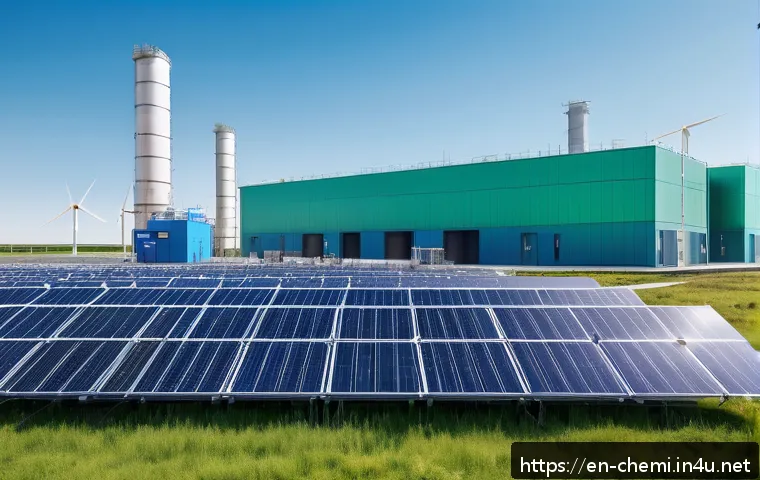
Energy is the lifeblood of our modern society, and chemical engineers are at the very forefront of ensuring we have sustainable, efficient, and clean ways to power our lives. It’s a constantly evolving landscape, and trust me, the work being done right now is nothing short of incredible. From optimizing traditional fuel processing to spearheading the development of next-generation renewable energy sources, their impact is monumental. I’ve always been captivated by the sheer ingenuity required to extract every bit of useful energy from our resources while simultaneously minimizing environmental impact. They’re tackling grand challenges like carbon capture, creating more efficient solar panels, and making fuel cells a viable reality. It’s a demanding field, but the potential rewards – a cleaner, more energy-secure future – make it immensely gratifying. I’ve seen firsthand how passionate these professionals are about solving some of the world’s most pressing environmental and energy crises. The shift towards greener energy solutions isn’t just a dream; it’s a reality being built by chemical engineers every single day, optimizing everything from the materials used in batteries to the processes that turn waste into energy. It’s an exciting time to witness these advancements!
Boosting Renewable Energy Technologies
When you look at renewable energy, chemical engineers are absolutely indispensable. They’re working on making solar panels more efficient and affordable by developing new materials that can capture more sunlight and convert it into electricity. I’ve heard about breakthroughs in perovskite solar cells that promise much higher efficiencies at lower costs – truly game-changing! They’re also crucial in improving battery technology, creating batteries that last longer, charge faster, and are safer for electric vehicles and grid-scale energy storage. Imagine a world where your car charges in minutes and your home is powered entirely by stored solar energy. This isn’t science fiction; it’s the daily grind for these brilliant minds, who are designing the chemical systems and processes that make these dreams a reality. Their work is pivotal in bringing renewable energy from concept to widespread application.
Optimizing Traditional Energy Resources
Even as we transition to renewables, traditional energy sources like oil and natural gas still play a significant role, and chemical engineers are critical in making their extraction, refining, and utilization as efficient and environmentally sound as possible. They design processes to remove impurities from fuels, reducing harmful emissions. I’ve spoken with engineers who work on advanced catalytic converters that transform pollutants into less harmful substances before they leave your car’s exhaust pipe. They also develop innovative techniques for enhanced oil recovery, safely extracting more energy from existing reserves. It’s about maximizing output while minimizing the ecological footprint, a delicate balance that requires deep chemical process knowledge. Their expertise helps bridge the gap between our current energy needs and the future of sustainable energy.
Water, Water Everywhere: Making It Drinkable and Usable
Access to clean, safe water is a fundamental human right, and it’s a challenge that chemical engineers are fiercely tackling around the globe. This isn’t just about making tap water drinkable; it’s about managing wastewater, desalinating seawater, and ensuring industrial processes don’t contaminate our precious water sources. I remember visiting a massive water treatment facility once, and honestly, the scale of the operations and the complexity of the chemical processes involved were awe-inspiring. They use everything from advanced filtration membranes to sophisticated chemical treatments to remove pollutants, bacteria, and viruses. It’s a constant battle against new contaminants and evolving environmental challenges. These engineers are tirelessly developing new methods to purify water more efficiently and cost-effectively, bringing clean water to communities that desperately need it. Their work directly impacts public health, agriculture, and industry, making them truly vital players in solving one of humanity’s most critical problems. The dedication to ensuring this essential resource is available for everyone is something I deeply admire, and it’s a field where innovation quite literally saves lives every single day. Trust me, the science behind turning brackish water into something potable is absolutely mind-blowing.
Advanced Filtration and Purification Technologies
The quest for cleaner water often hinges on innovative filtration and purification methods, and chemical engineers are leading the charge here. They design and optimize membrane technologies, like reverse osmosis, that can remove even the tiniest impurities, dissolved salts, and pathogens from water. I’ve heard about incredible advancements in nanotechnology that are creating super-efficient filters capable of tackling microplastics and emerging contaminants that traditional methods often miss. It’s not just about brute force filtration; it’s about understanding the chemical interactions at a molecular level to selectively remove harmful substances while leaving beneficial minerals. Their work ensures that every drop of water that comes out of our taps is safe and healthy, a task that becomes increasingly complex with global population growth and industrialization.
Sustainable Wastewater Treatment and Resource Recovery
Beyond just making water clean, chemical engineers are also focusing on what happens after we use it. Wastewater treatment is a huge area where they apply their expertise, developing processes that not only clean effluent before it’s returned to the environment but also recover valuable resources from it. Imagine turning sewage into usable energy or extracting nutrients that can be used as fertilizer! I’ve seen some truly innovative projects focused on anaerobic digestion and advanced oxidation processes that are making wastewater treatment plants more sustainable and resource-efficient. It’s a complete paradigm shift, moving from just treating waste to actively recovering resources and minimizing environmental impact. Their efforts are crucial in closing resource loops and fostering a more circular economy, which is absolutely essential for our planet’s future.
The Unsung Heroes of Modern Materials
Alright, let’s talk materials! Everywhere you look, from your smartphone screen to the insulation in your house, chemical engineers are the masterminds behind the very stuff that makes our modern world tick. They’re not just working with existing materials; they’re inventing entirely new ones with properties we could only dream of a few decades ago. I’ve always been fascinated by the concept of “tailoring” materials at a molecular level, giving them specific strengths, flexibilities, or resistances to heat and corrosion. Think about the lightweight composites used in aerospace that make planes more fuel-efficient, or the super-strong, self-healing polymers that extend the life of products. This isn’t magic; it’s meticulous chemical engineering, understanding how different molecules interact and how to synthesize them into desired structures. They’re constantly pushing the boundaries, developing smart materials that can change shape or color, or even generate electricity. It’s truly mind-boggling how they can design a material for a hyper-specific purpose, making our world safer, more durable, and infinitely more innovative. Every time a new gadget comes out with an incredible feature, you can bet a chemical engineer was instrumental in making its materials possible. The future of materials is being built right now, in labs and plants all over the world, thanks to their incredible ingenuity.
Designing Next-Gen Plastics and Polymers
Plastics often get a bad rap, but the truth is, they’re incredibly versatile and indispensable, and chemical engineers are constantly refining them. They’re developing new types of polymers with enhanced properties like extreme temperature resistance, increased durability, or even biodegradability to address environmental concerns. I’ve learned about incredible work on bioplastics derived from renewable resources, aiming to reduce our reliance on petroleum-based materials. They also engineer specialized plastics for everything from medical devices to advanced electronics, ensuring these materials meet stringent performance requirements. It’s a continuous cycle of innovation, making plastics stronger, lighter, more sustainable, and suited for an ever-expanding range of applications. They’re literally shaping the physical world around us, one molecule at a time.
Innovating Composites and Advanced Ceramics

Beyond traditional plastics, chemical engineers are at the cutting edge of developing advanced composites and ceramics. These materials often combine the best properties of different substances to create something entirely new and superior. Think about the carbon fiber composites used in high-performance sports cars or aircraft, which are incredibly strong yet remarkably light. Or consider specialized ceramics for extreme heat applications, like in jet engines or even in spacecraft re-entry shields. I’ve personally been fascinated by how they manipulate the microstructure of these materials to achieve properties that defy conventional limits. This involves precise control over synthesis, processing, and heat treatments. Their work in this area enables breakthroughs in industries from aerospace to defense to renewable energy, making equipment more efficient, durable, and capable of operating in harsher environments than ever before. It’s truly a testament to their deep understanding of material science and engineering principles.
Feeding the Future: Chemical Engineering in Agriculture
When we talk about feeding a growing global population, chemical engineers are absolutely essential, though their role might not be immediately obvious. They’re working tirelessly behind the scenes to optimize every stage of the agricultural process, from making fertilizers more effective to developing sustainable pesticides and improving food processing techniques. I’ve always been amazed at how they apply chemical principles to boost crop yields and ensure food security. It’s not just about mixing chemicals; it’s about understanding soil chemistry, plant nutrition, and biochemical reactions to create solutions that are both potent and environmentally responsible. They’re also instrumental in post-harvest processing, developing methods to extend the shelf life of produce, reduce spoilage, and maintain nutritional value from the farm to your fork. Trust me, the challenges of feeding billions are immense, and chemical engineers are at the heart of developing innovative, scalable solutions. They’re embracing technologies like precision agriculture and biochemical engineering to ensure that future generations have ample, healthy, and sustainably produced food. It’s a field where science meets sustainability to solve one of humanity’s most fundamental needs. I’ve seen how dedicated these experts are to making sure our food supply chain is robust and resilient.
Enhancing Crop Nutrition and Protection
Chemical engineers are pivotal in creating the agricultural inputs that allow us to grow more food on less land. They design and optimize the production of fertilizers, ensuring they deliver essential nutrients to crops efficiently, minimizing runoff and environmental impact. I’ve learned about innovative slow-release fertilizers that provide a steady supply of nutrients over time, reducing the need for frequent applications. They also develop advanced pesticides and herbicides that are more targeted, breaking down quickly in the environment to protect beneficial insects and ecosystems. It’s a delicate balance of efficacy and environmental stewardship, and chemical engineers are constantly working to strike that perfect equilibrium, developing greener alternatives and optimizing application methods. Their work is truly at the foundation of modern farming, ensuring bountiful harvests while striving for ecological responsibility.
Revolutionizing Food Processing and Preservation
Once crops are harvested, chemical engineers step in to transform raw ingredients into the food products we recognize and love, all while ensuring safety and extending shelf life. They design and optimize processes for everything from pasteurization and sterilization to freezing and drying, making sure food retains its nutritional value and flavor. I’ve been fascinated by the science behind modified atmosphere packaging, where engineers control the gas composition around food to dramatically slow spoilage. They also develop innovative food additives that enhance texture, flavor, and appearance, all while meeting strict safety regulations. Their expertise in process design and mass transfer is crucial for the efficient and hygienic production of countless food items, from your morning cereal to gourmet meals. It’s a complex dance of chemistry and engineering to get safe, delicious, and lasting food onto our plates.
| Area of Impact | Key Chemical Engineering Contributions | Real-World Example |
|---|---|---|
| Healthcare | Drug manufacturing, targeted drug delivery, biocompatible implants, advanced diagnostics. | Developing nanoparticles for precise cancer drug delivery, or creating stable vaccines. |
| Energy | Renewable fuel production, battery technology, carbon capture, improved refining processes. | Designing more efficient solar cells, engineering longer-lasting EV batteries. |
| Consumer Products | Material synthesis (plastics, textiles), formulation of cosmetics and cleaning agents, sustainable packaging. | Creating stain-resistant fabrics, developing biodegradable plastic bottles. |
| Environmental Solutions | Water purification, wastewater treatment, air pollution control, recycling processes. | Designing reverse osmosis membranes for desalination, developing catalysts for catalytic converters. |
| Food & Agriculture | Fertilizer production, pesticide formulation, food preservation, processing technologies. | Engineering slow-release fertilizers, optimizing pasteurization for dairy products. |
Smart Solutions: AI and Automation in Chemical Processes
Okay, let’s talk about the future, which is pretty much already here! Chemical engineers are totally embracing the digital revolution, integrating artificial intelligence and automation into every facet of their work. This isn’t just about robots; it’s about smart systems that can learn, predict, and optimize complex chemical processes with incredible precision. I’ve personally seen how AI is being used to design new molecules, predict their properties before they’re even synthesized, and even discover more efficient reaction pathways. Imagine cutting down years of trial-and-error in a lab to just a few weeks! Automation, on the other hand, is transforming manufacturing floors, making them safer, more efficient, and incredibly consistent. It’s allowing for continuous production with minimal human intervention, reducing costs and maximizing output. This fusion of chemical principles with cutting-edge digital technology is creating what we call “smart factories” and “digital twins” of chemical plants, which can simulate real-world conditions to optimize performance without actual physical testing. The possibilities are truly endless, and it’s making chemical engineering an even more dynamic and exciting field to be a part of. The precision and speed that AI brings to chemical discovery and process optimization are simply unparalleled, accelerating innovation at a breathtaking pace. We’re talking about a complete game-changer that makes these complex operations so much more accessible and efficient.
AI-Driven Discovery and Design
Artificial intelligence is profoundly changing how chemical engineers approach discovery and design. No longer are they solely relying on empirical testing; AI models can analyze vast datasets of chemical compounds and predict their properties or suggest novel molecular structures for specific applications. I’ve read about AI systems designing catalysts that are far more efficient than anything a human could conceive in a reasonable timeframe, accelerating the development of new materials and pharmaceuticals. This speeds up research and development cycles dramatically, reducing costs and bringing innovations to market faster. It’s like having an infinitely patient and brilliant research assistant who can process information at an astounding rate, opening up avenues of exploration that were previously impossible due to the sheer complexity of chemical interactions. This synergy between human ingenuity and artificial intelligence is pushing the boundaries of what’s achievable in chemical science.
Automating Chemical Production for Efficiency
Beyond the lab, automation is revolutionizing chemical production plants. Complex processes involving multiple reactors, separation units, and purification steps are being controlled by sophisticated algorithms and robotic systems. This leads to higher precision, reduced human error, and improved safety, especially when dealing with hazardous materials. I’ve seen firsthand how automated systems can monitor reactions in real-time, adjusting parameters instantly to maintain optimal conditions, which significantly boosts efficiency and product consistency. It also allows for continuous operation, minimizing downtime and maximizing output. This isn’t about replacing human workers; it’s about empowering them to focus on higher-level tasks like process improvement and innovation, while the machines handle the repetitive and complex operational tasks. The result is a more robust, cost-effective, and safer chemical industry that can adapt quickly to changing demands.
글을 마치며
Whew! What a journey we’ve had, peeling back the layers of chemical engineering to reveal its incredible influence on literally every corner of our lives. From the medicines that keep us healthy to the energy that powers our homes, and even the food on our plates, it’s clear that chemical engineers are the silent architects shaping our modern world. I truly hope this deep dive has given you a fresh perspective and perhaps even sparked a bit of curiosity about this dynamic and indispensable field. It’s a realm where innovation knows no bounds, constantly pushing the envelope to solve humanity’s biggest challenges, one molecule, one process, one brilliant idea at a time.
알아두면 쓸모 있는 정보
1. The Diverse Career Landscape in Chemical Engineering: When people think of chemical engineers, they often picture labs with bubbling beakers, but the reality is so much more expansive! I’ve seen chemical engineers thriving in pharmaceuticals, designing the processes for life-saving drugs and vaccines. Others are at the forefront of the energy sector, innovating in renewables, carbon capture, and fuel cell technologies. Then there are those who develop the advanced materials for our electronics, the sustainable packaging for our consumer goods, or even optimize the production of our favorite foods and beverages. It’s a field that truly offers a kaleidoscope of opportunities, allowing you to specialize in areas that genuinely ignite your passion, whether it’s battling climate change, creating medical breakthroughs, or bringing innovative new products to market. The problem-solving skills you gain are universally valuable, making you adaptable to a vast array of industries. It’s truly a career path that offers continuous learning and profound impact.
2. Chemical Engineering is Inherently Interdisciplinary: One of the coolest aspects of chemical engineering, in my experience, is how it acts as a bridge between so many different scientific and engineering disciplines. You won’t just be dealing with chemistry; you’ll find yourself deeply involved with physics, biology, and increasingly, computer science and data analytics. I’ve personally seen projects where chemical engineers collaborate with material scientists to create super-strong composites, or work alongside biologists to engineer new bioprocesses for sustainable production. The rise of AI and machine learning, as we touched upon, means you’ll often be using advanced computational tools to model and optimize complex systems. This interdisciplinary nature means you’re constantly learning and expanding your toolkit, making it an incredibly stimulating field where you’re always connecting dots across different domains. It’s this collaborative spirit that drives so much of the innovation we see today.
3. The Sustainability Imperative: A Driving Force for Innovation: If there’s one overarching theme that has completely transformed chemical engineering in recent years, it’s sustainability. From personal experience observing the industry, there’s a palpable shift towards designing processes and products that minimize environmental impact and maximize resource efficiency. This isn’t just about ‘going green’ as a buzzword; it’s about fundamental rethinking. Chemical engineers are leading the charge in developing circular economy solutions, turning waste into valuable resources, creating biodegradable alternatives to traditional plastics, and pioneering cleaner industrial processes. They are literally engineering a more sustainable future, ensuring that the advancements we make today don’t compromise the well-being of future generations. It’s an incredibly exciting and purpose-driven area, offering immense satisfaction knowing your work contributes to a healthier planet. This focus on green chemistry and engineering is not just a trend; it’s the future of the field.
4. Beyond Academia: Pathways to Hands-On Experience: For anyone considering a dive into chemical engineering, remember that learning extends far beyond textbooks and lectures. I always encourage aspiring engineers to seek out internships, co-op programs, and even undergraduate research opportunities. I’ve seen how invaluable hands-on experience in a real-world industrial setting or a cutting-edge research lab can be. It’s where theory truly meets practice, where you learn the nuances of problem-solving, teamwork, and critical thinking that are essential for success. Many companies, from massive pharmaceutical giants to innovative startups, actively recruit students for these roles, offering a fantastic way to gain practical skills, build a professional network, and get a clear picture of what a career in the field truly entails. Don’t be afraid to reach out to professors or industry professionals; you’d be surprised how willing people are to share their insights and opportunities. These experiences are absolutely crucial for shaping your professional journey.
5. Understanding the Economic Impact: How Chemical Engineers Drive Growth: It’s easy to focus on the scientific and environmental aspects, but we can’t forget the massive economic engine that chemical engineering represents. These professionals are constantly optimizing processes to reduce costs, improve efficiency, and develop new, high-value products that drive economic growth and create jobs. I mean, think about the immense investment in new sustainable technologies or pharmaceutical manufacturing facilities – each one is fueled by chemical engineering expertise. They are instrumental in bringing innovative ideas from the lab to commercial scale, transforming scientific discoveries into market-ready products that generate revenue and benefit society. This focus on cost-effectiveness, scalability, and market viability is what makes chemical engineers so vital to industries worldwide. Their work directly contributes to competitive advantage and global economic development, making them invaluable assets to any company or country.
중요 사항 정리
In a nutshell, chemical engineering is the foundational science and art that underpins our modern existence, seamlessly integrating with countless aspects of daily life. From the cutting-edge medical treatments saving lives to the sustainable energy solutions powering our future, and the everyday products we rely on, chemical engineers are the innovative problem-solvers driving progress. Their work is characterized by a deep commitment to efficiency, sustainability, and safety, constantly leveraging new technologies like AI to push the boundaries of what’s possible. It’s a dynamic field that offers immense opportunities for those passionate about making a tangible difference in the world, transforming raw materials and complex processes into profound societal benefits.
Frequently Asked Questions (FAQ) 📖
Q: What exactly does a chemical engineer do day-to-day, beyond just working with chemicals in a lab?
A: Oh, this is such a common misconception! When I first started out, I pictured a lab coat and goggles all the time, but it’s so much more dynamic than that.
Chemical engineers are essentially the master architects behind transforming raw materials into the useful products we rely on daily. Think about it: they’re designing and optimizing the entire process from start to finish.
This could mean anything from figuring out the most efficient way to turn crude oil into gasoline and plastics, to developing the perfect formula for your favorite shampoo, or even ensuring our drinking water is safe and clean.
They’re constantly researching new methods, designing plant layouts (often with advanced computer software!), improving existing technologies, and making sure everything runs safely, efficiently, and with minimal environmental impact.
So, while the chemistry is foundational, their work truly spans from microscopic molecular interactions all the way to massive industrial plants. It’s a blend of science, engineering, and some serious problem-solving chops!
Q: How does chemical engineering secretly impact our daily lives in ways we might not even realize?
A: This is one of my favorite things to talk about because once you start noticing, you realize chemical engineering is literally everywhere! You know that moment when you brush your teeth in the morning?
Chemical engineers formulated your toothpaste, ensuring it cleans effectively and safely. That comfy shirt you’re wearing? They’re behind the synthetic fibers that make our clothes more durable and comfortable.
Even the food on your plate benefits from their expertise in processing, preservation, and creating more sustainable fertilizers. Think about your smartphone – chemical engineers developed the advanced materials for its screen, body, and those long-lasting batteries.
From the medications that keep us healthy, to the cleaning products under your sink, to the efficiency of your car’s fuel – virtually every manufactured product on an industrial scale has been touched by a chemical engineer’s brilliance.
It’s truly amazing how these innovations, often behind the scenes, enhance our quality of life in countless ways.
Q: What are the most exciting new frontiers and global challenges that chemical engineers are tackling right now?
A: Oh, this is where it gets really mind-blowing! I’ve been following these developments closely, and it feels like chemical engineers are truly at the forefront of shaping our future.
One of the biggest areas, which I’m personally super passionate about, is sustainable energy solutions. They’re developing advanced biofuels from non-food sources, pioneering more efficient hydrogen production methods, and creating next-generation battery technologies for better energy storage.
Beyond that, tackling climate change is huge. I’ve seen incredible work in carbon capture, utilization, and storage (CCUS), where captured carbon isn’t just stored but actually transformed into useful products like plastics!
They’re also pushing the boundaries with bio-inspired designs and green chemistry, creating processes that minimize waste and use fewer hazardous materials.
And honestly, the integration of Artificial Intelligence into chemical engineering is a game-changer. Imagine AI-driven “digital twins” of chemical plants that predict issues before they happen, optimizing everything from production efficiency to safety in real-time.
It’s not just about lab work anymore; it’s about leveraging cutting-edge tech to solve some of humanity’s most pressing problems – truly impactful stuff!