Essential Chemical Engineering Lab Supplies Checklist for Smooth and Safe Experiments

webmaster

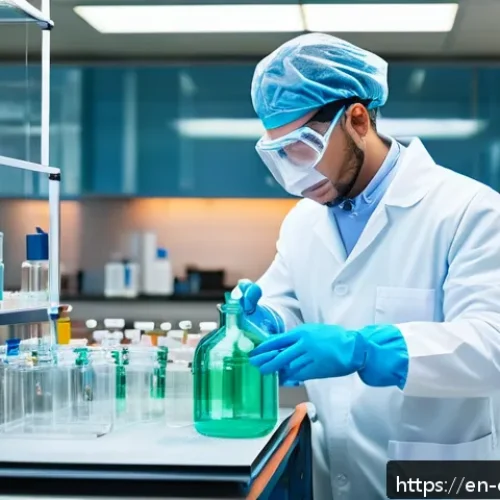
화학공학 실험 준비물 리스트 - A modern chemistry laboratory scene showing a scientist wearing full personal protective equipment i...

In today’s fast-evolving chemical engineering landscape, ensuring lab safety and efficiency has never been more critical. With new regulations and innovative materials emerging regularly, having the right supplies at your fingertips can make all the difference between a smooth experiment and unexpected setbacks.

화학공학 실험 준비물 리스트 관련 이미지 1

Whether you’re a student tackling your first lab or a seasoned professional refining complex processes, this checklist is designed to keep your workspace organized and hazard-free.

Let’s dive into the essential tools and equipment that not only boost productivity but also protect you every step of the way. Stick around to uncover tips that have helped me avoid common pitfalls and make lab work truly rewarding.

Optimizing Personal Protective Equipment for Every Experiment

Choosing the Right Gloves for Chemical Safety

When it comes to handling chemicals, the type of gloves you choose can make or break your experiment’s safety. Nitrile gloves have been my go-to because they offer excellent resistance against a wide range of solvents and acids, while also being puncture-resistant.

Latex gloves are comfortable but can cause allergic reactions for some, so I tend to avoid those unless absolutely necessary. For high-risk substances, I always opt for thicker, chemical-resistant gloves that ensure no accidental skin contact.

Remember, gloves are your first line of defense—if you feel a tear or any chemical seep through, change them immediately. It might seem trivial, but that split second of exposure can lead to serious harm.

Eye Protection: More Than Just Safety Glasses

I used to underestimate the importance of proper eye protection until a minor splash incident reminded me otherwise. Safety goggles with side shields provide much better coverage compared to regular glasses.

They prevent hazardous vapors and liquid droplets from sneaking in from the sides. For experiments involving volatile chemicals or UV light, I also keep a pair of face shields handy.

They’re bulkier but worth the extra comfort when working on prolonged, high-risk procedures. Investing in anti-fog coatings or wipes can also save you from constantly pausing your work to clear your vision.

Lab Coats and Aprons: Balancing Comfort and Protection

Wearing a lab coat is non-negotiable in my routine, but I’ve learned that not all lab coats are created equal. Lightweight, flame-resistant materials make a huge difference during long hours in the lab.

I prefer coats with snap buttons over zippers for quick removal in emergencies. Additionally, chemical-resistant aprons are invaluable when dealing with corrosive liquids, providing an extra layer that’s easy to clean or replace.

Keeping a spare coat nearby is a habit I swear by—it’s always better to swap out contaminated gear than risk contamination.

Advertisement

Essential Tools and Instruments That Streamline Workflow

Precision Measuring Devices for Accurate Results

Accuracy starts with having the right measuring tools. I rely heavily on digital balances with a readability of 0.1 mg for weighing reagents. Calibrating them regularly ensures I don’t get skewed data that could affect the experiment’s outcome.

For liquid volumes, graduated cylinders and micropipettes are indispensable. Micropipettes especially require careful handling and calibration, which I learned through trial and error.

Don’t underestimate the power of precise measurements; they often distinguish a successful run from a frustrating repeat.

Mixing and Heating Equipment for Consistent Conditions

Magnetic stirrers with adjustable speed controls have saved me countless times from uneven mixing, which can cause inconsistent reactions. For heating, I prefer hot plates with built-in temperature sensors over traditional Bunsen burners for better safety and control.

Oil baths are another staple for maintaining steady temperatures in sensitive reactions. When working with volatile solvents, I always ensure proper ventilation and use heating mantles that minimize fire risks.

Experimenting without reliable mixing and heating tools is like driving blindfolded—you might get somewhere, but not without unnecessary bumps.

Storage Solutions to Keep Chemicals Organized

Organizing chemicals properly has reduced my clean-up time drastically. I use clearly labeled, airtight containers to prevent contamination and evaporation.

Flammable substances go into dedicated fireproof cabinets, while corrosives are stored in corrosion-resistant bins. Regular inventory checks help me avoid expired or degraded materials, which can compromise safety and results.

A well-organized storage system is not just about neatness—it’s a key step in preventing accidents and ensuring smooth workflow.

Advertisement

Advanced Safety Features to Minimize Laboratory Risks

Emergency Equipment That Everyone Should Know

Knowing the location and operation of emergency showers, eyewash stations, and fire extinguishers has saved colleagues and me from serious injuries more than once.

I make it a habit to inspect these stations at the start of each semester or project. Familiarity with emergency protocols means you can act fast and confidently when seconds count.

Additionally, having spill kits ready for chemical leaks helps contain hazards before they escalate.

Ventilation Systems for Hazardous Fume Control

Fume hoods are a staple in chemical labs, but their effectiveness depends on proper use and maintenance. I learned early on to check airflow monitors and avoid overcrowding the hood, as this can reduce its efficiency.

When working with particularly dangerous fumes, using a glove box or local exhaust ventilation adds another layer of protection. Remember, good ventilation not only protects your health but also preserves the integrity of your experiment.

Regular Safety Audits and Training

Safety isn’t a one-time checklist; it’s an ongoing commitment. Conducting regular audits of lab equipment and protocols helps identify potential hazards before they cause harm.

I participate in safety training sessions and encourage peers to do the same, as staying updated on new regulations and techniques is crucial. Sharing lessons learned from near-misses creates a culture of vigilance that benefits everyone in the lab.

Advertisement

Organizing Consumables and Reagents for Seamless Experiment Flow

Inventory Management for Consumables

Keeping track of consumables like pipette tips, filter papers, and gloves can be tedious, but it’s vital to avoid interruptions. I maintain a digital inventory with minimum stock alerts that notify me before supplies run out.

This proactive approach has saved me from last-minute scrambles that disrupt experiments. Grouping consumables by type and frequency of use also speeds up retrieval, especially during high-pressure situations.

Handling and Labeling Reagents Properly

Proper labeling isn’t just a lab rule; it’s a lifesaver. I always include the chemical name, concentration, date of preparation, and hazard information on reagent containers.

Using color-coded labels helps quickly identify reagent types, reducing confusion. When transferring reagents, I use dedicated funnels and clean containers to avoid cross-contamination.

These small habits make a huge difference in maintaining experiment integrity and safety.

Disposal Procedures for Chemical Waste

Disposing of chemical waste correctly is critical for lab safety and environmental responsibility. I follow institutional guidelines rigorously, segregating waste by type and storing it in labeled containers.

For example, halogenated solvents go into separate waste bins from aqueous solutions. I’ve found that scheduling regular waste pickups prevents accumulation, which can be hazardous.

화학공학 실험 준비물 리스트 관련 이미지 2

Educating everyone in the lab about proper disposal protocols fosters a safer workspace for all.

Advertisement

Maintaining Cleanliness and Order for Long-Term Efficiency

Routine Cleaning Practices

Maintaining a spotless lab bench isn’t just about aesthetics; it prevents contamination and accidents. I clean spills immediately and wipe down surfaces with appropriate solvents at the end of each session.

For glassware, soaking in detergent solutions followed by thorough rinsing ensures no residue remains. I’ve noticed that labs with strict cleaning routines experience fewer errors and equipment malfunctions, which underscores the importance of discipline in lab hygiene.

Effective Waste Segregation Systems

Separating biological, chemical, and general waste prevents dangerous mix-ups and facilitates recycling efforts. I use clearly marked bins with instructions visible to all lab users.

This system minimizes the risk of hazardous waste being mistakenly discarded in regular trash, which can lead to severe safety violations. Encouraging everyone to follow waste segregation rules creates a collective sense of responsibility and improves overall lab safety.

Storage and Maintenance of Lab Equipment

Proper storage extends the lifespan of expensive lab instruments. I keep delicate devices like pH meters and spectrophotometers in dust-free cabinets and perform regular calibration checks.

For mechanical tools, routine lubrication and inspection prevent unexpected breakdowns. Having a maintenance log shared among lab members helps track when servicing is due, avoiding last-minute surprises that can derail experiments.

Advertisement

Choosing Consumables and Labware to Match Your Experiment’s Needs

Selecting the Right Glassware

The quality and type of glassware can impact experimental results significantly. Borosilicate glass is my preferred choice due to its resistance to thermal shock and chemical corrosion.

For precise volume measurements, volumetric flasks and pipettes provide better accuracy compared to beakers or Erlenmeyer flasks. I also learned to inspect glassware for chips or cracks before use, as damaged items can cause leaks or break during heating.

Choosing Plasticware for Convenience and Safety

Plastic labware like polypropylene tubes and petri dishes are great for disposable applications or when working with biological samples. They’re lighter and less fragile than glass, reducing breakage risk.

However, not all plastics are chemically resistant, so I always check compatibility charts before use. Using the right plasticware prevents contamination and ensures your samples remain uncontaminated.

Calibrating and Maintaining Measurement Instruments

Accurate data collection depends on well-calibrated instruments. I make it a point to calibrate pH meters, thermometers, and balances regularly using standard solutions or certified weights.

Keeping calibration certificates and logs helps during audits and quality checks. Neglecting this step can introduce significant errors, wasting time and resources.

Proper maintenance routines also extend instrument life and reliability.

Item Purpose Key Features Safety Tips
Nitrile Gloves Protect hands from chemicals Chemical resistant, puncture resistant Change if torn or contaminated
Safety Goggles Protect eyes from splashes and fumes Side shields, anti-fog coating Wear at all times during experiments
Digital Balance Precise weighing of reagents High readability, regularly calibrated Keep clean and level for accuracy
Magnetic Stirrer Ensure uniform mixing Adjustable speed, chemical resistant surface Do not overload with heavy materials
Fume Hood Ventilate hazardous fumes Airflow monitor, proper sash usage Keep sash at recommended height
Fire Extinguisher Emergency fire control Class ABC suitable for chemical fires Know operation and location
Volumetric Flask Accurate volume measurement Calibrated for precision Inspect for cracks before use
Chemical Waste Container Safe disposal of hazardous waste Labeled, compatible with waste type Segregate by chemical class
Advertisement

Developing Habits That Enhance Lab Safety and Productivity

Planning Ahead to Avoid Disruptions

One thing I’ve found invaluable is preparing all materials and equipment before starting any experiment. This habit minimizes rushed movements and reduces the chance of accidents.

I keep a checklist handy, so I don’t overlook any essential supplies or safety gear. Planning also helps me anticipate potential hazards and allocate time for proper disposal and cleanup.

Communicating Clearly with Lab Partners

Clear communication with your lab mates is crucial for safety. I make it a point to discuss the experiment steps, potential hazards, and emergency plans before beginning.

Labeling shared equipment and reagents avoids mix-ups, which can be dangerous. When everyone is on the same page, the workflow becomes smoother, and risks are minimized.

Staying Mindful and Taking Breaks

Long hours in the lab can lead to fatigue, which compromises safety and accuracy. I schedule short breaks to stay alert and refresh my focus. Mindfulness practices, like double-checking labels and instructions before proceeding, have saved me from costly mistakes.

Treating lab work like a marathon, not a sprint, keeps both safety and productivity at their peak.

Advertisement

Closing Thoughts

Ensuring safety and efficiency in the laboratory starts with choosing the right equipment and developing good habits. From protective gear to organized workflows, every detail counts in preventing accidents and achieving reliable results. By staying vigilant and prepared, you create a safer environment for yourself and your colleagues. Remember, consistent care and attention are the foundation of successful experimentation.

Advertisement

Useful Information to Remember

1. Always select gloves based on the chemicals you’re handling to maximize protection and comfort.

2. Use safety goggles with side shields and anti-fog features to ensure full eye protection during all procedures.

3. Keep your measuring instruments calibrated regularly to maintain accuracy and avoid costly errors.

4. Properly label and segregate chemical waste to uphold lab safety and comply with environmental standards.

5. Regularly communicate with your team and plan experiments thoroughly to minimize risks and disruptions.

Advertisement

Key Takeaways

Laboratory safety and productivity hinge on thoughtful preparation and consistent practices. Prioritize high-quality personal protective equipment tailored to your specific experiments, maintain organized storage and inventory systems, and ensure all emergency and ventilation equipment is in working order. Cultivating habits such as clear communication, regular safety audits, and mindful work routines not only prevent accidents but also enhance the overall efficiency and success of your lab work.

Frequently Asked Questions (FAQ) 📖

Q: uestionsQ1: What are the must-have safety supplies for a chemical engineering lab?

A: From my experience, the essentials include properly rated gloves, chemical-resistant lab coats, splash-proof goggles, and a well-stocked first aid kit.
Don’t forget a reliable fume hood for handling volatile substances and clearly labeled fire extinguishers. Having these on hand not only prevents accidents but also speeds up your workflow by minimizing distractions caused by safety concerns.

Q: How can I keep my lab organized without compromising safety?

A: Organization is key but should never override safety protocols. I always recommend using color-coded storage for chemicals and tools, with clear labeling to avoid mix-ups.
Keep frequently used items within easy reach, but store hazardous materials separately in ventilated cabinets. Regularly cleaning your workspace and promptly disposing of waste keeps clutter—and risks—to a minimum, which in turn enhances both efficiency and safety.

Q: What are some common mistakes to avoid when setting up a new chemical engineering workspace?

A: One mistake I’ve seen too often is underestimating the importance of proper ventilation and ignoring updated safety regulations. Another is overcrowding the bench with unnecessary equipment, which increases the risk of spills or accidents.
Also, neglecting routine inspections of safety gear like eyewash stations or fire blankets can lead to trouble. Planning your layout with safety and accessibility in mind has personally saved me from several close calls.

📚 References


➤ Link

– Google Search

➤ Link

– Bing Search

➤ Link

– Google Search

➤ Link

– Bing Search

➤ Link

– Google Search

➤ Link

– Bing Search

➤ Link

– Google Search

➤ Link

– Bing Search

➤ Link

– Google Search

➤ Link

– Bing Search

➤ Link

– Google Search

➤ Link

– Bing Search

➤ Link

– Google Search

➤ Link

– Bing Search

➤ Link

– Google Search

➤ Link

– Bing Search