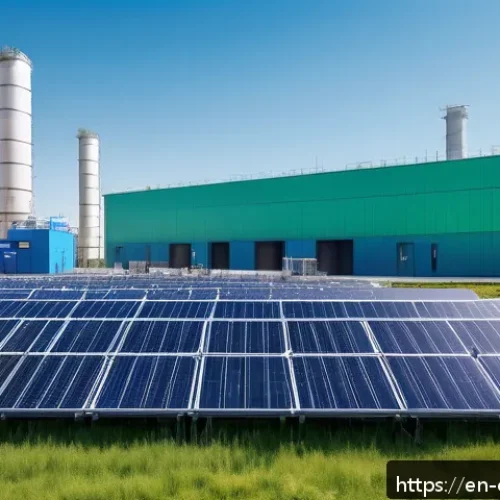
Navigating the ever-evolving landscape of environmental regulations in chemical engineering can feel overwhelming, but staying ahead is more crucial than ever.

With recent shifts toward stricter sustainability standards and growing public demand for eco-friendly practices, mastering compliance isn’t just about avoiding penalties—it’s a strategic advantage.
I’ve seen firsthand how proactive approaches not only ensure legal adherence but also drive innovation and cost savings. In this post, we’ll dive into practical strategies that help chemical engineers align with regulations while boosting sustainability efforts.
Whether you’re managing day-to-day operations or planning long-term projects, these insights will empower you to lead with confidence and responsibility.
Let’s explore how you can turn compliance into a catalyst for positive change.
Understanding Regulatory Frameworks in Chemical Engineering
Key Environmental Legislation Impacting Chemical Processes
Navigating environmental laws can be tricky, especially when multiple regulations overlap or change frequently. For chemical engineers, grasping the essentials of major legislation like the Clean Air Act, Clean Water Act, and Resource Conservation and Recovery Act is non-negotiable.
These laws dictate how emissions, effluents, and waste must be managed, pushing companies to innovate in pollution control and waste minimization. From my experience working on projects that required compliance with these laws, early engagement with legal experts and environmental consultants made a huge difference in avoiding costly delays and redesigns.
It’s not just about knowing the law but anticipating how evolving standards might affect your operations in the near future.
Emerging Trends in Environmental Regulations
Recent shifts show a clear trend toward stricter carbon emissions targets and more rigorous chemical safety reporting. For example, the push for greenhouse gas reductions under international agreements is influencing local regulations that chemical plants must follow.
Additionally, increased transparency demands, such as the Toxic Release Inventory (TRI) in the US, mean that companies must not only reduce pollutants but also publicly disclose their environmental impact.
In my work, adapting to these trends early allowed teams to implement cleaner technologies that not only met compliance but also attracted eco-conscious customers and investors.
Integrating Compliance into Engineering Design
Incorporating regulatory requirements from the design phase is a game-changer. It’s far easier and more cost-effective to embed environmental controls in process design than to retrofit later.
For instance, selecting low-VOC solvents or designing closed-loop water systems can drastically reduce emissions and waste. I’ve seen projects where upfront investment in greener technology paid off within a few years due to lower regulatory fees and reduced environmental liabilities.
Moreover, this proactive approach often sparks creativity, leading to novel solutions that improve overall plant efficiency and sustainability.
Leveraging Technology to Meet Environmental Standards
Advanced Monitoring and Data Analytics
Real-time environmental monitoring has become a cornerstone of modern compliance strategies. Sensors and IoT devices now provide continuous data on emissions, effluents, and resource usage, allowing engineers to spot issues before they escalate.
I recall a plant where integrating predictive analytics helped identify a leak early, avoiding a regulatory fine and environmental harm. These technologies not only ensure adherence to limits but also optimize operations by pinpointing inefficiencies that waste energy or materials.
Automation and Process Control Systems
Automation plays a significant role in maintaining consistent compliance. Automated control systems can adjust parameters instantly to stay within regulatory thresholds, such as controlling flue gas composition or adjusting wastewater treatment processes.
From my hands-on experience, plants that invested in robust automation frameworks experienced fewer violations and smoother audits. Plus, reducing human error in these critical systems enhances safety and reliability.
Innovative Green Technologies and Their Impact
Emerging green technologies—like bio-based solvents, renewable energy integration, and carbon capture—are reshaping how chemical plants approach environmental compliance.
Deploying these innovations doesn’t just meet regulatory demands; it can also create new revenue streams or reduce operating costs. For example, a facility I consulted for implemented a bio-solvent that cut volatile organic compound emissions by over 50%, improving air quality and reducing compliance risks simultaneously.
Building a Culture of Environmental Responsibility
Training and Empowering Engineering Teams
Compliance isn’t just about systems and permits; it’s deeply rooted in the people who operate and maintain them. Continuous training ensures everyone understands both the “why” and “how” of environmental rules.
I’ve seen how investing in employee education—through workshops, certifications, and hands-on exercises—fosters ownership and proactive problem-solving.
When engineers and operators feel responsible for environmental outcomes, compliance becomes part of daily routines rather than a checklist task.
Leadership Commitment and Accountability
Strong leadership commitment is essential to embedding environmental responsibility into corporate culture. When top management visibly prioritizes sustainability and compliance, it cascades down to all levels.
In organizations where I’ve worked, leaders who set clear goals, allocate resources, and reward eco-friendly initiatives see better regulatory performance and employee engagement.
Accountability mechanisms, such as environmental performance metrics tied to incentives, further reinforce this culture.
Community Engagement and Transparency
Building trust with local communities and stakeholders by sharing environmental performance data and improvement plans can turn compliance into a relationship-building opportunity.
I’ve found that companies open about their environmental efforts often face less resistance during permit processes and enjoy stronger social licenses to operate.
Transparent communication also helps anticipate concerns and adapt practices accordingly, reducing risk of conflicts or negative publicity.
Cost Management Strategies in Environmental Compliance
Budgeting for Compliance Without Sacrificing Innovation
Balancing environmental investments with financial constraints can be challenging. However, approaching compliance as an opportunity for innovation rather than just a cost center pays dividends.
For example, energy efficiency upgrades often reduce utility bills while meeting regulatory standards. In projects I managed, creating a dedicated compliance budget early on and involving cross-functional teams helped prioritize investments that delivered both environmental and economic benefits.
Incentives and Funding Opportunities
Various government incentives, grants, and tax credits exist to support environmental upgrades in chemical plants. Leveraging these can offset upfront costs significantly.
From personal experience, applying for programs like the EPA’s Pollution Prevention grants or state-level clean energy rebates requires early planning but can unlock substantial savings.
Staying informed about available resources and deadlines is key to maximizing these financial supports.

Risk Assessment and Long-Term Savings
Conducting thorough risk assessments helps identify potential compliance failures before they happen, which can be extremely costly. I’ve seen how investing in risk management tools and environmental audits prevents fines and shutdowns, ultimately saving money.
Additionally, long-term savings often come from sustainable process improvements that reduce waste disposal fees, energy consumption, and resource use—benefits that compound over time.
Effective Documentation and Reporting Practices
Maintaining Accurate Environmental Records
Accurate documentation is the backbone of compliance. Detailed records of emissions, waste handling, and corrective actions are often required for audits and regulatory submissions.
In my experience, implementing digital record-keeping systems improved accuracy and accessibility, reducing human errors and administrative burdens. These systems also facilitate trend analysis, helping identify areas for continuous improvement.
Preparing for Regulatory Audits
Being audit-ready at all times means having all compliance documentation organized and accessible. I’ve been part of audit preparations where mock inspections and checklists helped teams identify gaps early.
Training staff on audit protocols and communication ensures smoother interactions with regulators. A calm, prepared approach during audits often leads to fewer findings and faster resolutions.
Leveraging Reporting to Drive Improvements
Reporting isn’t just a regulatory obligation; it can be a tool for performance enhancement. Analyzing reported data helps uncover inefficiencies and environmental risks.
I’ve seen companies set internal benchmarks based on reporting metrics, driving continuous environmental improvements beyond minimum compliance. Sharing these improvements internally also boosts morale and commitment.
Collaborative Approaches to Environmental Compliance
Partnering with Regulatory Agencies
Building positive relationships with regulators can ease compliance challenges. I’ve found that early communication and transparency with agencies often result in more flexible, practical solutions.
Engaging regulators during project planning can clarify expectations and prevent surprises later. This collaborative approach fosters mutual trust and smoother permitting processes.
Industry Consortia and Knowledge Sharing
Joining industry groups focused on environmental best practices offers valuable insights and benchmarking opportunities. Through participation in such networks, I’ve accessed shared resources, case studies, and technical guidance that accelerated compliance efforts.
These communities also provide a platform to influence future regulations and standards.
Cross-Disciplinary Collaboration Within Organizations
Environmental compliance requires input from engineering, operations, legal, and sustainability teams. Encouraging open communication and joint problem-solving leads to more effective and innovative solutions.
I recall projects where cross-functional teams identified process improvements that no single department could have achieved alone, resulting in both compliance and operational gains.
| Compliance Strategy | Benefits | Challenges | Example Technologies/Approaches |
|---|---|---|---|
| Real-Time Monitoring | Early detection of issues, improved data accuracy | Initial cost, data management complexity | IoT sensors, cloud-based analytics |
| Automation Systems | Consistent regulatory adherence, reduced human error | System integration, maintenance demands | PLC controls, SCADA systems |
| Green Technology Adoption | Lower emissions, cost savings, market differentiation | Upfront investment, technology maturity | Bio-based solvents, carbon capture |
| Employee Training | Improved compliance culture, proactive issue resolution | Ongoing resource commitment | Workshops, certifications |
| Collaborative Engagement | Smoother permitting, knowledge sharing | Time and effort for relationship building | Regulator meetings, industry consortia |
Adapting to Future Environmental Challenges
Preparing for Stricter Emission Limits
As governments tighten climate goals, chemical plants will face tougher emission caps. Proactive planning to upgrade equipment and adopt low-carbon technologies is essential.
From what I’ve seen, those who start early avoid rushed compliance fixes and position themselves as industry leaders. Scenario analysis and pilot testing of new methods can smooth this transition.
Incorporating Circular Economy Principles
Moving beyond waste reduction, circular economy strategies emphasize reuse and resource efficiency. Chemical engineers can design processes to recycle byproducts or integrate renewable feedstocks.
I’ve been involved in projects where waste streams became valuable raw materials, turning a disposal problem into a profit center. This shift also aligns well with evolving regulations promoting sustainability.
Embracing Digital Transformation for Compliance
Digital tools like AI-driven predictive maintenance, blockchain for supply chain transparency, and virtual compliance audits are gaining traction. I’ve experimented with some of these technologies, and they significantly enhance accuracy, traceability, and efficiency.
Staying abreast of digital innovations ensures compliance strategies remain robust and future-proof.
Conclusion
Understanding and navigating regulatory frameworks is crucial for chemical engineers aiming to balance compliance with innovation. By proactively integrating environmental standards, leveraging advanced technologies, and fostering a culture of responsibility, organizations can not only meet legal requirements but also enhance sustainability and operational efficiency. Staying ahead of evolving regulations positions companies for long-term success in an increasingly eco-conscious world.
Useful Information to Remember
1. Early collaboration with legal and environmental experts can prevent costly compliance issues and project delays.
2. Adopting real-time monitoring and automation improves regulatory adherence while optimizing plant operations.
3. Investing in employee training cultivates a proactive compliance culture that reduces environmental risks.
4. Leveraging government incentives and grants can significantly offset environmental upgrade costs.
5. Transparent communication with regulators and communities builds trust and facilitates smoother permitting processes.
Key Takeaways
Successful environmental compliance in chemical engineering hinges on integrating regulations into the design phase, embracing innovative green technologies, and fostering cross-disciplinary collaboration. Prioritizing continuous training and leadership commitment strengthens organizational accountability. Additionally, effective documentation and proactive risk management not only ensure compliance but also contribute to cost savings and improved sustainability performance. Ultimately, a forward-looking approach that anticipates future regulatory changes and embraces digital transformation will secure competitive advantage and operational resilience.
Frequently Asked Questions (FAQ) 📖
Q: How can chemical engineers stay updated with the latest environmental regulations?
A: Staying current with environmental regulations requires a proactive approach. I recommend subscribing to industry newsletters, joining professional organizations like the American Institute of Chemical Engineers (AIChE), and regularly checking government agency websites such as the EPA.
Attending webinars and conferences focused on sustainability can also provide valuable insights. From my experience, setting up a system to review regulatory updates monthly helps avoid last-minute surprises and keeps your projects compliant and ahead of the curve.
Q: What are some practical steps to integrate sustainability while ensuring regulatory compliance?
A: Integrating sustainability effectively means going beyond just ticking boxes. Start by conducting thorough environmental impact assessments early in your project planning.
Use process optimization techniques to reduce waste and emissions, and consider adopting greener raw materials or alternative energy sources. In my work, collaborating with cross-functional teams has been key—combining regulatory knowledge with innovation leads to solutions that save costs and minimize environmental footprints.
Documenting these efforts also helps demonstrate compliance and commitment to sustainability.
Q: How does proactive compliance benefit a chemical engineering project beyond avoiding fines?
A: Proactive compliance can transform a project’s trajectory. Beyond avoiding penalties, it fosters innovation by encouraging engineers to explore cleaner technologies and efficient processes.
This mindset often uncovers cost-saving opportunities through reduced resource consumption and waste management improvements. From what I’ve seen, companies that lead with compliance gain stronger trust from stakeholders and customers, enhancing their market reputation.
Ultimately, it positions your project as a responsible leader in sustainability, which is increasingly valued in today’s business landscape.