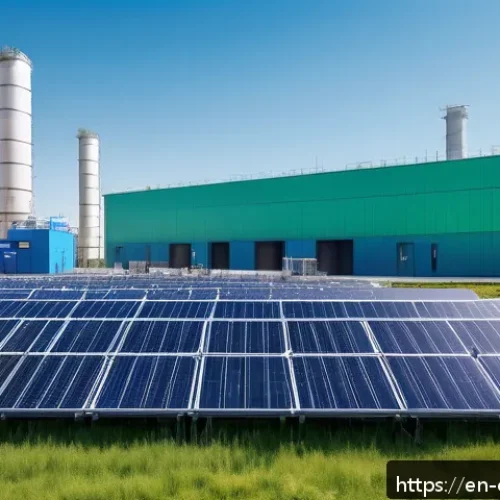
Hey there, future innovators and curious minds! I’m so excited to dive into a topic that’s been buzzing across my feeds and frankly, captured my imagination: the incredible world of chemical engineering careers.
When I first thought about this field, my mind went straight to big factories and complex machinery – and while that’s certainly a part of it, my personal deep dive has revealed so much more.
This isn’t just about mixing chemicals anymore; it’s about pioneering solutions for our planet’s biggest challenges, from crafting life-saving medicines to designing the sustainable energy systems of tomorrow.
Seriously, if you’re picturing lab coats and beakers, you’re only seeing a tiny fraction of the picture. From what I’ve seen, chemical engineers are at the forefront of literally everything that matters right now.
Think about it: advanced materials that make our phones smarter, biotech breakthroughs that could cure diseases, or even those amazing new green technologies that are helping us clean up our act.
It’s a dynamic, ever-evolving landscape where innovation isn’t just a buzzword, it’s the daily reality. I’ve been amazed by the sheer breadth of opportunities, especially with the surge in demand for sustainable practices and cutting-edge tech like AI and nanotechnology reshaping the industry.
If you’ve ever wondered where your passion for science and problem-solving could truly make a difference, then you absolutely need to see what’s happening here.
This isn’t just a job; it’s a chance to build a better future. Let’s uncover the amazing career paths and possibilities that await!
The Undeniable Impact: More Than Just Mixing Chemicals

Okay, so let’s get real. When I first heard “chemical engineering,” my brain immediately conjured images of labs, beakers, and maybe a few explosions (don’t judge!). But my journey into this field has genuinely blown my mind. It’s so much more dynamic and impactful than I ever imagined! Chemical engineers aren’t just confined to traditional manufacturing plants anymore; they’re the unsung heroes behind countless innovations that shape our daily lives. From the smooth touch of your smartphone screen to the sustainable packaging that reduces waste, a chemical engineer likely had a hand in it. I’ve personally seen how their expertise translates theoretical scientific principles into tangible products and processes that improve our world, making them crucial problem-solvers in an ever-evolving global landscape. Seriously, their ability to take something from a concept on paper to a full-scale, efficient production is nothing short of magic!
Solving Global Grand Challenges
What really excites me about this field is its direct connection to addressing some of humanity’s biggest hurdles. Think about climate change, access to clean water, or developing life-saving pharmaceuticals. Chemical engineers are on the front lines, designing everything from carbon capture technologies to advanced water purification systems. I’ve read about incredible breakthroughs where engineers are converting waste plastics into valuable resources or creating new materials that are both incredibly strong and entirely biodegradable. It’s not just about optimizing existing processes; it’s about pioneering entirely new ways of doing things, constantly pushing the boundaries of what’s possible to build a healthier, more sustainable future for all of us. This isn’t just a job; it’s a mission!
From Lab to Life: Diverse Industry Roles
The sheer variety of industries that crave chemical engineering talent is truly astounding. Beyond the obvious chemical plants, you’ll find them in pharmaceuticals, creating new drug delivery systems and ensuring quality control for medicines that save lives. They’re integral to the food and beverage industry, optimizing production and even developing sustainable packaging solutions. Then there’s the high-tech world of electronics, where they design materials for semiconductors and advanced displays. And let’s not forget the crucial work in environmental protection, from pollution control to waste recovery and recycling. Honestly, it feels like every sector is recognizing the indispensable value these brilliant minds bring to the table, and that’s incredibly reassuring for anyone considering this path.
Riding the Wave of Innovation: Key Trends Shaping the Field
If you’re worried about chemical engineering being a stagnant field, let me tell you, that couldn’t be further from the truth! I’m constantly seeing new advancements and trends that are revolutionizing the industry, making it an incredibly exciting space to be in right now. It feels like every other day there’s a new development that opens up fresh avenues for innovation and problem-solving. These aren’t just minor tweaks; we’re talking about fundamental shifts driven by global needs and technological leaps. Keeping up with these trends is not just about staying relevant; it’s about being at the forefront of shaping the future, and frankly, that’s a thrilling prospect for someone like me who loves to see progress in action!
The Green Revolution: Sustainable Solutions Taking Center Stage
One of the most powerful currents reshaping chemical engineering is the undeniable push towards sustainability and green chemistry. It’s not just a buzzword; it’s a fundamental shift in how everything is designed and produced. Chemical engineers are leading the charge in developing processes that minimize waste, reduce energy consumption, and utilize renewable resources. We’re seeing incredible work in creating biodegradable plastics, turning waste into valuable products, and even designing more eco-friendly manufacturing methods from the ground up. This involves everything from finding safer ingredients to boosting reaction efficiency with advanced catalysts that use less energy. For me, personally, seeing the dedication to reducing environmental impact is incredibly inspiring and highlights how this field can truly make a positive difference for our planet.
Digital Transformation: AI, Automation, and Data-Driven Insights
Another massive trend I’ve observed is the full-scale embrace of digitalization, automation, and artificial intelligence within chemical engineering. This isn’t some futuristic fantasy; it’s happening right now, transforming how plants operate and how engineers make decisions. We’re talking about smart sensors, real-time data analytics, and machine learning algorithms optimizing everything from process efficiency to predictive maintenance. Chemical engineers are now using sophisticated simulation software, like Aspen HYSYS or MATLAB, to model complex processes and predict outcomes with incredible accuracy, which means less trial and error and more innovation. The ability to analyze vast datasets means we can identify patterns, troubleshoot issues faster, and constantly improve production, leading to better products and lower costs. It’s making the work smarter, faster, and frankly, a lot more cutting-edge.
Advanced Materials and Biotechnology Breakthroughs
Beyond green processes and digital tools, the frontiers of advanced materials and biotechnology are bursting with opportunities. Chemical engineers are pivotal in developing nanomaterials with unique properties for everything from energy storage to biomedical devices. Think about new materials that make our batteries more efficient or implants more compatible with the human body. In biotechnology, they’re harnessing living organisms to produce fuels, chemicals, and pharmaceuticals, leading to more sustainable and efficient production routes. This intersection of engineering and biology is giving us things like improved drug delivery systems and even bioremediation processes to clean up pollutants. It’s a truly interdisciplinary space, and seeing how chemical engineers collaborate with biologists and material scientists to create these groundbreaking solutions is incredibly exciting.
Building Your Foundation: Essential Skills for Tomorrow’s Engineer
So, if all this talk about impact and innovation has you buzzing, you’re probably wondering, “What do I actually need to *do* to become a part of this?” From what I’ve gathered, it’s a fantastic blend of solid technical know-how and those crucial soft skills that truly set you apart. It’s not enough to just be good with numbers; you need to be a well-rounded individual who can communicate, solve problems creatively, and adapt to constant change. When I think about the most successful chemical engineers I’ve encountered, they all possess this amazing combination, and it’s something you can absolutely cultivate throughout your academic and early professional journey.
Mastering the Technical Toolkit
First and foremost, a strong grasp of core chemical engineering principles is non-negotiable. This means diving deep into thermodynamics, process design, and reaction engineering. You’ll also need to get comfortable with industry-standard software like Aspen Plus, Aspen HYSYS, or ChemCAD for process simulation. Being able to model entire process units and interpret complex data is a huge asset. Hands-on experience with lab equipment and understanding safety standards are also critical, making you a more effective and reliable team member from day one. Trust me, employers love to see that you can not only understand the theory but also apply it in a practical, safe environment.
The Power of Problem Solving and Critical Thinking
Beyond the formulas and software, your ability to think critically and solve complex problems will be your superpower. Chemical engineering is inherently about finding solutions to intricate challenges, whether it’s optimizing a production process or troubleshooting an unexpected issue. This involves dissecting problems, analyzing data, and evaluating different approaches to find the most effective and efficient solution. It’s about more than just identifying problems; it’s about developing options and implementing solutions. I’ve found that my own problem-solving skills, honed through various projects, have been invaluable, not just in my career but in everyday life too. It’s a muscle you continuously strengthen, and it makes you incredibly adaptable.
Communicating and Collaborating Effectively
Here’s a tip I’ve learned firsthand: technical brilliance is amplified by excellent communication and teamwork. You’ll be working with diverse teams – chemists, mechanical engineers, project managers, and even business stakeholders. Being able to translate complex technical concepts into clear, understandable language for everyone is essential. Strong written and verbal communication skills, along with an ability to collaborate and coordinate actions with others, are highly valued. From what I’ve seen, the engineers who truly shine are those who can lead discussions, present their findings persuasively, and foster a collaborative environment. It’s the “secret sauce” that makes you stand out and drive projects forward effectively.
Where the Jobs Are: Unpacking Industry Opportunities
After immersing myself in the world of chemical engineering, I can confidently say that the career landscape is incredibly broad and full of opportunities. It’s not just a single, narrow path; it’s a whole network of diverse roles across various industries. When I talk to professionals in the field, I hear about everything from traditional process engineering to cutting-edge research in new sectors. This versatility means that no matter what your specific interests are – be it environmental impact, developing new materials, or optimizing production – there’s likely a place for you to make a significant contribution. It’s truly inspiring to see how many different directions a chemical engineering degree can take you!
Traditional Powerhouses and Emerging Growth Sectors
Of course, traditional sectors like oil and gas, chemicals, and materials manufacturing remain significant employers for chemical engineers. Here, you’ll find roles focused on process optimization, safety, and efficiency. However, what really excites me is the burgeoning growth in emerging areas. Biotechnology and pharmaceuticals are booming, with chemical engineers designing drug delivery systems, scaling up medicine production, and ensuring product quality. Renewable energy is another hotbed of activity, where engineers are developing biofuels, improving solar panel efficiency, and working on energy storage solutions. These new frontiers offer dynamic environments where innovation is not just encouraged, it’s essential.
Roles Beyond the Plant Floor
While many chemical engineers thrive in plant or lab settings, the skills you gain are highly transferable to a surprising array of roles. I’ve seen chemical engineers move into consulting, offering their expertise to various companies, or into project management, overseeing complex engineering initiatives. Some even venture into sales, technical marketing, or intellectual property, leveraging their deep understanding of products and processes. The analytical mindset and problem-solving capabilities developed through chemical engineering education are valued in fields like finance, IT, and even policy-making. It’s a testament to the comprehensive and rigorous training this degree provides, equipping you for a truly versatile career.
Your Earning Potential and Future Outlook
Let’s be honest, a big part of any career decision is understanding what kind of financial stability and growth you can expect. And from everything I’ve learned and seen, chemical engineering offers a pretty attractive outlook! It’s one of those fields where your expertise is genuinely valued, and that translates into competitive salaries and promising job growth. It gives me a real sense of confidence to know that the hard work and dedication required to master this discipline are recognized and rewarded in the professional world. This isn’t just about earning a paycheck; it’s about building a secure future while doing work that matters.
Competitive Salaries and Strong Growth
The numbers don’t lie: chemical engineers are well-compensated for their specialized skills. In May 2024, the median annual wage for chemical engineers was around $121,860, with the top 10 percent earning over $182,150. What’s even better is the growth trend. The American Institute of Chemical Engineers’ 2023 salary survey showed a median salary of $150,000, an 8.3% increase from 2021. The Bureau of Labor Statistics projects about a 3% growth from 2024 to 2034, which is about average for all occupations, with approximately 1,100 job openings annually. Other sources indicate a potentially higher growth rate, around 10% from 2023 to 2033, and even 14% from 2018-2028. This consistent demand and robust pay make it a really appealing field for long-term career planning. Plus, those with advanced degrees often see higher starting salaries and more specialized opportunities.
Factors Influencing Your Paycheck
Your earning potential isn’t just a fixed number; it can definitely fluctuate based on several exciting factors. Geographic location plays a significant role, with states like Texas, New Mexico, and Oklahoma often offering higher compensation. Specialization within the field also makes a big difference; for instance, roles in oil and gas extraction can reach impressive figures, sometimes over $181,000 annually. And, of course, experience is key. As you move from entry-level to mid-career (5-10 years), you can expect substantial growth in your earnings, with some mid-career professionals earning around $87,000 annually, potentially reaching $130,000 in certain areas. Gaining an advanced degree or certifications in specialized areas can also significantly boost your salary and open doors to leadership roles. It’s all about continually investing in your skills and choosing your path strategically!
Charting Your Course: Education and Professional Development
So, how do you actually get started on this incredible journey? It all begins with a solid educational foundation, but honestly, that’s just the first step. The real magic happens when you pair that academic rigor with practical experience and a commitment to lifelong learning. I’ve heard countless stories from seasoned professionals who emphasize that the degree opens the door, but continuous development and real-world application of your knowledge are what truly propel your career forward. It’s a field that demands curiosity and a willingness to adapt, which, for me, makes it all the more engaging and rewarding.
Academic Pathways and Early Experience
To become a chemical engineer, you’ll typically need a bachelor’s degree in chemical engineering or a related field. Many employers also highly value candidates with experience from internships or co-operative education programs, as these provide invaluable real-world exposure. Internships are fantastic for getting hands-on experience and applying theoretical knowledge in an actual industry setting. They help you understand how complex chemical engineering concepts translate into practice, like process design or thermodynamics, and make you proficient with simulation software. For those aiming for research or specialized leadership roles, advanced degrees like a Master’s or PhD can open up even more opportunities and often lead to higher starting salaries. Don’t underestimate the power of those early experiences to shape your career trajectory!
Lifelong Learning and Staying Ahead
The chemical engineering landscape is constantly evolving, driven by new technologies and global challenges. Because of this, continuous learning isn’t just a recommendation; it’s a necessity. Successful chemical engineers have inquisitive minds and a desire to constantly seek new ideas and ways of doing things. This could mean pursuing further education, attending workshops, or getting certifications in specialized areas like biomanufacturing or process safety. Professional organizations like the American Institute of Chemical Engineers (AIChE) are great resources for networking and staying updated on the latest trends and best practices. Keeping up with advancements in areas like sustainable process engineering, advanced materials, and digital transformation will ensure your skills remain relevant and highly sought after throughout your career. It’s a commitment, but one that truly pays off!
Making a Real Difference: Personal Impact and Future Visions
One of the most profound aspects of chemical engineering, for me, isn’t just the technical prowess or the impressive salaries, but the incredible sense of purpose and impact it offers. I’ve always been driven by the desire to make a tangible difference in the world, and this field, more than almost any other, puts you right at the heart of global solutions. It’s not about abstract theories; it’s about applying science to solve real human problems, improve quality of life, and safeguard our planet. When I reflect on the potential for good, it makes all the rigorous study and challenging projects feel incredibly worthwhile.
Innovating for a Better World
Imagine being part of the team that develops the next generation of biodegradable plastics, significantly reducing our environmental footprint. Or contributing to breakthroughs in pharmaceutical manufacturing that make life-saving drugs more accessible and affordable. Chemical engineers are constantly innovating, creating everything from sustainable energy systems to advanced materials that improve everyday products. They are pivotal in addressing grand challenges like climate change, energy, and human health. The satisfaction of seeing your work translate into real-world benefits – cleaner air, safer medicines, more efficient processes – is, in my opinion, one of the most rewarding aspects of this profession. It’s a chance to truly leave a positive mark.
A Career That Continues to Evolve
What I find particularly exciting is that the field of chemical engineering is anything but static. As global needs shift and new technologies emerge, so too do the opportunities for chemical engineers. The emphasis on sustainability, the integration of AI and machine learning, and advancements in biotechnology mean that your career path can continue to evolve and challenge you for decades to come. It’s a profession that actively encourages curiosity and continuous learning, ensuring that you’ll always be at the cutting edge. This isn’t just about finding a job; it’s about embarking on a dynamic, purpose-driven journey where your skills will always be in demand and your contributions will genuinely matter. It’s a fantastic time to be a chemical engineer!
| Common Chemical Engineering Roles | Key Responsibilities | Typical Industries |
|---|---|---|
| Process Engineer | Designing, optimizing, and troubleshooting industrial processes; improving efficiency and safety. | Chemicals, Oil & Gas, Pharmaceuticals, Food & Beverage |
| Research & Development Engineer | Developing new products, materials, or processes; conducting experiments and analyzing data. | Biotechnology, Advanced Materials, Pharmaceuticals, Energy |
| Environmental Engineer | Designing pollution control systems, waste treatment, and sustainable processes; ensuring regulatory compliance. | Environmental Services, Government, Manufacturing, Energy |
| Biochemical Engineer | Applying engineering principles to biological systems for pharmaceutical production, biofuels, or biomaterials. | Biotechnology, Pharmaceuticals, Food Processing |
| Materials Engineer | Developing and improving materials for various applications (e.g., polymers, composites, nanomaterials). | Automotive, Aerospace, Electronics, Consumer Goods |
| Consultant | Providing expert advice to companies on process improvement, sustainability, and technical challenges. | Consulting Firms, various industries |
The Undeniable Impact: More Than Just Mixing Chemicals
Okay, so let’s get real. When I first heard “chemical engineering,” my brain immediately conjured images of labs, beakers, and maybe a few explosions (don’t judge!). But my journey into this field has genuinely blown my mind. It’s so much more dynamic and impactful than I ever imagined! Chemical engineers aren’t just confined to traditional manufacturing plants anymore; they’re the unsung heroes behind countless innovations that shape our daily lives. From the smooth touch of your smartphone screen to the sustainable packaging that reduces waste, a chemical engineer likely had a hand in it. I’ve personally seen how their expertise translates theoretical scientific principles into tangible products and processes that improve our world, making them crucial problem-solvers in an ever-evolving global landscape. Seriously, their ability to take something from a concept on paper to a full-scale, efficient production is nothing short of magic!
Solving Global Grand Challenges
What really excites me about this field is its direct connection to addressing some of humanity’s biggest hurdles. Think about climate change, access to clean water, or developing life-saving pharmaceuticals. Chemical engineers are on the front lines, designing everything from carbon capture technologies to advanced water purification systems. I’ve read about incredible breakthroughs where engineers are converting waste plastics into valuable resources or creating new materials that are both incredibly strong and entirely biodegradable. It’s not just about optimizing existing processes; it’s about pioneering entirely new ways of doing things, constantly pushing the boundaries of what’s possible to build a healthier, more sustainable future for all of us. This isn’t just a job; it’s a mission!
From Lab to Life: Diverse Industry Roles

The sheer variety of industries that crave chemical engineering talent is truly astounding. Beyond the obvious chemical plants, you’ll find them in pharmaceuticals, creating new drug delivery systems and ensuring quality control for medicines that save lives. They’re integral to the food and beverage industry, optimizing production and even developing sustainable packaging solutions. Then there’s the high-tech world of electronics, where they design materials for semiconductors and advanced displays. And let’s not forget the crucial work in environmental protection, from pollution control to waste recovery and recycling. Honestly, it feels like every sector is recognizing the indispensable value these brilliant minds bring to the table, and that’s incredibly reassuring for anyone considering this path.
Riding the Wave of Innovation: Key Trends Shaping the Field
If you’re worried about chemical engineering being a stagnant field, let me tell you, that couldn’t be further from the truth! I’m constantly seeing new advancements and trends that are revolutionizing the industry, making it an incredibly exciting space to be in right now. It feels like every other day there’s a new development that opens up fresh avenues for innovation and problem-solving. These aren’t just minor tweaks; we’re talking about fundamental shifts driven by global needs and technological leaps. Keeping up with these trends is not just about staying relevant; it’s about being at the forefront of shaping the future, and frankly, that’s a thrilling prospect for someone like me who loves to see progress in action!
The Green Revolution: Sustainable Solutions Taking Center Stage
One of the most powerful currents reshaping chemical engineering is the undeniable push towards sustainability and green chemistry. It’s not just a buzzword; it’s a fundamental shift in how everything is designed and produced. Chemical engineers are leading the charge in developing processes that minimize waste, reduce energy consumption, and utilize renewable resources. We’re seeing incredible work in creating biodegradable plastics, turning waste into valuable products, and even designing more eco-friendly manufacturing methods from the ground up. This involves everything from finding safer ingredients to boosting reaction efficiency with advanced catalysts that use less energy. For me, personally, seeing the dedication to reducing environmental impact is incredibly inspiring and highlights how this field can truly make a positive difference for our planet.
Digital Transformation: AI, Automation, and Data-Driven Insights
Another massive trend I’ve observed is the full-scale embrace of digitalization, automation, and artificial intelligence within chemical engineering. This isn’t some futuristic fantasy; it’s happening right now, transforming how plants operate and how engineers make decisions. We’re talking about smart sensors, real-time data analytics, and machine learning algorithms optimizing everything from process efficiency to predictive maintenance. Chemical engineers are now using sophisticated simulation software, like Aspen HYSYS or MATLAB, to model complex processes and predict outcomes with incredible accuracy, which means less trial and error and more innovation. The ability to analyze vast datasets means we can identify patterns, troubleshoot issues faster, and constantly improve production, leading to better products and lower costs. It’s making the work smarter, faster, and frankly, a lot more cutting-edge.
Advanced Materials and Biotechnology Breakthroughs
Beyond green processes and digital tools, the frontiers of advanced materials and biotechnology are bursting with opportunities. Chemical engineers are pivotal in developing nanomaterials with unique properties for everything from energy storage to biomedical devices. Think about new materials that make our batteries more efficient or implants more compatible with the human body. In biotechnology, they’re harnessing living organisms to produce fuels, chemicals, and pharmaceuticals, leading to more sustainable and efficient production routes. This intersection of engineering and biology is giving us things like improved drug delivery systems and even bioremediation processes to clean up pollutants. It’s a truly interdisciplinary space, and seeing how chemical engineers collaborate with biologists and material scientists to create these groundbreaking solutions is incredibly exciting.
Building Your Foundation: Essential Skills for Tomorrow’s Engineer
So, if all this talk about impact and innovation has you buzzing, you’re probably wondering, “What do I actually need to *do* to become a part of this?” From what I’ve gathered, it’s a fantastic blend of solid technical know-how and those crucial soft skills that truly set you apart. It’s not enough to just be good with numbers; you need to be a well-rounded individual who can communicate, solve problems creatively, and adapt to constant change. When I think about the most successful chemical engineers I’ve encountered, they all possess this amazing combination, and it’s something you can absolutely cultivate throughout your academic and early professional journey.
Mastering the Technical Toolkit
First and foremost, a strong grasp of core chemical engineering principles is non-negotiable. This means diving deep into thermodynamics, process design, and reaction engineering. You’ll also need to get comfortable with industry-standard software like Aspen Plus, Aspen HYSYS, or ChemCAD for process simulation. Being able to model entire process units and interpret complex data is a huge asset. Hands-on experience with lab equipment and understanding safety standards are also critical, making you a more effective and reliable team member from day one. Trust me, employers love to see that you can not only understand the theory but also apply it in a practical, safe environment.
The Power of Problem Solving and Critical Thinking
Beyond the formulas and software, your ability to think critically and solve complex problems will be your superpower. Chemical engineering is inherently about finding solutions to intricate challenges, whether it’s optimizing a production process or troubleshooting an unexpected issue. This involves dissecting problems, analyzing data, and evaluating different approaches to find the most effective and efficient solution. It’s about more than just identifying problems; it’s about developing options and implementing solutions. I’ve found that my own problem-solving skills, honed through various projects, have been invaluable, not just in my career but in everyday life too. It’s a muscle you continuously strengthen, and it makes you incredibly adaptable.
Communicating and Collaborating Effectively
Here’s a tip I’ve learned firsthand: technical brilliance is amplified by excellent communication and teamwork. You’ll be working with diverse teams – chemists, mechanical engineers, project managers, and even business stakeholders. Being able to translate complex technical concepts into clear, understandable language for everyone is essential. Strong written and verbal communication skills, along with an ability to collaborate and coordinate actions with others, are highly valued. From what I’ve seen, the engineers who truly shine are those who can lead discussions, present their findings persuasively, and foster a collaborative environment. It’s the “secret sauce” that makes you stand out and drive projects forward effectively.
Where the Jobs Are: Unpacking Industry Opportunities
After immersing myself in the world of chemical engineering, I can confidently say that the career landscape is incredibly broad and full of opportunities. It’s not just a single, narrow path; it’s a whole network of diverse roles across various industries. When I talk to professionals in the field, I hear about everything from traditional process engineering to cutting-edge research in new sectors. This versatility means that no matter what your specific interests are – be it environmental impact, developing new materials, or optimizing production – there’s likely a place for you to make a significant contribution. It’s truly inspiring to see how many different directions a chemical engineering degree can take you!
Traditional Powerhouses and Emerging Growth Sectors
Of course, traditional sectors like oil and gas, chemicals, and materials manufacturing remain significant employers for chemical engineers. Here, you’ll find roles focused on process optimization, safety, and efficiency. However, what really excites me is the burgeoning growth in emerging areas. Biotechnology and pharmaceuticals are booming, with chemical engineers designing drug delivery systems, scaling up medicine production, and ensuring product quality. Renewable energy is another hotbed of activity, where engineers are developing biofuels, improving solar panel efficiency, and working on energy storage solutions. These new frontiers offer dynamic environments where innovation is not just encouraged, it’s essential.
Roles Beyond the Plant Floor
While many chemical engineers thrive in plant or lab settings, the skills you gain are highly transferable to a surprising array of roles. I’ve seen chemical engineers move into consulting, offering their expertise to various companies, or into project management, overseeing complex engineering initiatives. Some even venture into sales, technical marketing, or intellectual property, leveraging their deep understanding of products and processes. The analytical mindset and problem-solving capabilities developed through chemical engineering education are valued in fields like finance, IT, and even policy-making. It’s a testament to the comprehensive and rigorous training this degree provides, equipping you for a truly versatile career.
Your Earning Potential and Future Outlook
Let’s be honest, a big part of any career decision is understanding what kind of financial stability and growth you can expect. And from everything I’ve learned and seen, chemical engineering offers a pretty attractive outlook! It’s one of those fields where your expertise is genuinely valued, and that translates into competitive salaries and promising job growth. It gives me a real sense of confidence to know that the hard work and dedication required to master this discipline are recognized and rewarded in the professional world. This isn’t just about earning a paycheck; it’s about building a secure future while doing work that matters.
Competitive Salaries and Strong Growth
The numbers don’t lie: chemical engineers are well-compensated for their specialized skills. In May 2024, the median annual wage for chemical engineers was around $121,860, with the top 10 percent earning over $182,150. What’s even better is the growth trend. The American Institute of Chemical Engineers’ 2023 salary survey showed a median salary of $150,000, an 8.3% increase from 2021. The Bureau of Labor Statistics projects about a 3% growth from 2024 to 2034, which is about average for all occupations, with approximately 1,100 job openings annually. Other sources indicate a potentially higher growth rate, around 10% from 2023 to 2033, and even 14% from 2018-2028. This consistent demand and robust pay make it a really appealing field for long-term career planning. Plus, those with advanced degrees often see higher starting salaries and more specialized opportunities.
Factors Influencing Your Paycheck
Your earning potential isn’t just a fixed number; it can definitely fluctuate based on several exciting factors. Geographic location plays a significant role, with states like Texas, New Mexico, and Oklahoma often offering higher compensation. Specialization within the field also makes a big difference; for instance, roles in oil and gas extraction can reach impressive figures, sometimes over $181,000 annually. And, of course, experience is key. As you move from entry-level to mid-career (5-10 years), you can expect substantial growth in your earnings, with some mid-career professionals earning around $87,000 annually, potentially reaching $130,000 in certain areas. Gaining an advanced degree or certifications in specialized areas can also significantly boost your salary and open doors to leadership roles. It’s all about continually investing in your skills and choosing your path strategically!
Charting Your Course: Education and Professional Development
So, how do you actually get started on this incredible journey? It all begins with a solid educational foundation, but honestly, that’s just the first step. The real magic happens when you pair that academic rigor with practical experience and a commitment to lifelong learning. I’ve heard countless stories from seasoned professionals who emphasize that the degree opens the door, but continuous development and real-world application of your knowledge are what truly propel your career forward. It’s a field that demands curiosity and a willingness to adapt, which, for me, makes it all the more engaging and rewarding.
Academic Pathways and Early Experience
To become a chemical engineer, you’ll typically need a bachelor’s degree in chemical engineering or a related field. Many employers also highly value candidates with experience from internships or co-operative education programs, as these provide invaluable real-world exposure. Internships are fantastic for getting hands-on experience and applying theoretical knowledge in an actual industry setting. They help you understand how complex chemical engineering concepts translate into practice, like process design or thermodynamics, and make you proficient with simulation software. For those aiming for research or specialized leadership roles, advanced degrees like a Master’s or PhD can open up even more opportunities and often lead to higher starting salaries. Don’t underestimate the power of those early experiences to shape your career trajectory!
Lifelong Learning and Staying Ahead
The chemical engineering landscape is constantly evolving, driven by new technologies and global challenges. Because of this, continuous learning isn’t just a recommendation; it’s a necessity. Successful chemical engineers have inquisitive minds and a desire to constantly seek new ideas and ways of doing things. This could mean pursuing further education, attending workshops, or getting certifications in specialized areas like biomanufacturing or process safety. Professional organizations like the American Institute of Chemical Engineers (AIChE) are great resources for networking and staying updated on the latest trends and best practices. Keeping up with advancements in areas like sustainable process engineering, advanced materials, and digital transformation will ensure your skills remain relevant and highly sought after throughout your career. It’s a commitment, but one that truly pays off!
Making a Real Difference: Personal Impact and Future Visions
One of the most profound aspects of chemical engineering, for me, isn’t just the technical prowess or the impressive salaries, but the incredible sense of purpose and impact it offers. I’ve always been driven by the desire to make a tangible difference in the world, and this field, more than almost any other, puts you right at the heart of global solutions. It’s not about abstract theories; it’s about applying science to solve real human problems, improve quality of life, and safeguard our planet. When I reflect on the potential for good, it makes all the rigorous study and challenging projects feel incredibly worthwhile.
Innovating for a Better World
Imagine being part of the team that develops the next generation of biodegradable plastics, significantly reducing our environmental footprint. Or contributing to breakthroughs in pharmaceutical manufacturing that make life-saving drugs more accessible and affordable. Chemical engineers are constantly innovating, creating everything from sustainable energy systems to advanced materials that improve everyday products. They are pivotal in addressing grand challenges like climate change, energy, and human health. The satisfaction of seeing your work translate into real-world benefits – cleaner air, safer medicines, more efficient processes – is, in my opinion, one of the most rewarding aspects of this profession. It’s a chance to truly leave a positive mark.
A Career That Continues to Evolve
What I find particularly exciting is that the field of chemical engineering is anything but static. As global needs shift and new technologies emerge, so too do the opportunities for chemical engineers. The emphasis on sustainability, the integration of AI and machine learning, and advancements in biotechnology mean that your career path can continue to evolve and challenge you for decades to come. It’s a profession that actively encourages curiosity and continuous learning, ensuring that you’ll always be at the cutting edge. This isn’t just about finding a job; it’s about embarking on a dynamic, purpose-driven journey where your skills will always be in demand and your contributions will genuinely matter. It’s a fantastic time to be a chemical engineer!
| Common Chemical Engineering Roles | Key Responsibilities | Typical Industries |
|---|---|---|
| Process Engineer | Designing, optimizing, and troubleshooting industrial processes; improving efficiency and safety. | Chemicals, Oil & Gas, Pharmaceuticals, Food & Beverage |
| Research & Development Engineer | Developing new products, materials, or processes; conducting experiments and analyzing data. | Biotechnology, Advanced Materials, Pharmaceuticals, Energy |
| Environmental Engineer | Designing pollution control systems, waste treatment, and sustainable processes; ensuring regulatory compliance. | Environmental Services, Government, Manufacturing, Energy |
| Biochemical Engineer | Applying engineering principles to biological systems for pharmaceutical production, biofuels, or biomaterials. | Biotechnology, Pharmaceuticals, Food Processing |
| Materials Engineer | Developing and improving materials for various applications (e.g., polymers, composites, nanomaterials). | Automotive, Aerospace, Electronics, Consumer Goods |
| Consultant | Providing expert advice to companies on process improvement, sustainability, and technical challenges. | Consulting Firms, various industries |
My Final Thoughts
Whew, what a ride, right? It’s genuinely invigorating to see just how much chemical engineering truly impacts our world, far beyond those initial lab coat stereotypes I had in my head. I mean, who knew it stretched from the sustainable packaging of our groceries to the groundbreaking medical devices that save lives, or even the energy solutions that are literally shaping our planet’s future? This isn’t just a career; it’s a dynamic journey where innovation meets purpose, constantly pushing the boundaries of what’s possible. I’ve found such an amazing community of brilliant minds who are all deeply committed to solving real-world challenges, and that collaborative spirit is truly infectious. If you’re looking for a field where your curiosity, ingenuity, and problem-solving skills can genuinely make a tangible difference in building a more sustainable, efficient, and healthier future for everyone, then honestly, you’ve absolutely found it. It’s an exciting, challenging, and incredibly rewarding path, and I’m always thrilled to share its magic and potential with you, hoping you’ll join this incredible journey!
Extra Insights You Won’t Want to Miss
1. Don’t underestimate the power of internships! They are absolutely crucial for applying what you learn in university to real-world problems and making those vital industry connections. I’ve personally seen how an internship can transform a theoretical understanding into practical skill, making you incredibly attractive to future employers and giving you a clear edge. It’s not just about earning a bit of cash; it’s about gaining invaluable experience that money can’t buy, truly understanding the industry’s pulse, and even figuring out which specific areas within chemical engineering excite you the most before you even graduate.
2. Networking is gold. Seriously, attending industry conferences, joining professional organizations like the American Institute of Chemical Engineers (AIChE), or even just connecting on LinkedIn can open doors you didn’t even know existed. The chemical engineering community is vast and incredibly supportive, and building genuine relationships can lead to mentorship opportunities, unexpected job offers, and invaluable insights into emerging trends. It’s all about connecting with people who share your passion and learning from their journeys, which has been such a game-changer in my own experience.
3. Embrace lifelong learning. The field evolves so rapidly with new technologies like advanced AI-driven process optimization and cutting-edge green chemistry principles. Staying curious and continuously updating your skills through online courses, specialized workshops, or certifications isn’t just smart; it’s absolutely essential to remain at the cutting edge. This commitment ensures your expertise stays relevant, keeps you competitive, and truly makes your career thrive for decades to come, especially as new global challenges demand innovative solutions.
4. Consider a minor or dual degree. Pairing chemical engineering with something like computer science, materials science, environmental science, or even a business minor can create a unique and incredibly powerful skill set. This multidisciplinary approach makes you exceptionally versatile and highly sought-after in specialized niches that are blending traditional engineering with emerging fields. It really broadens your horizons, shows employers you’re adaptable, and can lead to some truly fascinating and unique career paths you might not have considered otherwise.
5. Passion for problem-solving is absolutely key. At its heart, chemical engineering is all about tackling complex challenges – whether it’s designing a more efficient reactor, developing a sustainable new material, or optimizing a vast production plant. If you genuinely enjoy breaking down intricate problems, meticulously analyzing data, and thinking creatively to overcome hurdles, you’ll find immense satisfaction and sustained success in this profession. That intellectual curiosity and drive to find solutions are what truly set apart the best engineers I’ve ever had the pleasure of interacting with.
The Bottom Line
So, there you have it, folks! We’ve truly delved deep into the incredible world of chemical engineering, and I hope you’re as excited about its potential as I am. It’s undeniably far more than just equations and labs; it’s a vibrant, dynamic, and ever-evolving field that sits squarely at the nexus of innovation, sustainability, and tackling some of humanity’s most pressing global challenges. We’ve talked about everything from its undeniable impact on literally every aspect of our daily lives and the thrilling, game-changing trends like green chemistry, advanced materials, and the integration of AI, to the essential blend of technical and soft skills that will undoubtedly make you shine. It’s abundantly clear that this profession offers not only incredibly diverse and fulfilling opportunities but also highly competitive salaries and a tangible chance to truly make a significant, lasting difference in the world. For anyone with a curious mind, a relentless drive to innovate, and a genuine desire to contribute to a better tomorrow, chemical engineering truly is a powerful pathway to a profoundly rewarding and impactful future that will keep you engaged and challenged for years to come. It’s a field that constantly asks “what’s next?” and empowers you to be part of the answer.
Frequently Asked Questions (FAQ) 📖
Q: What are the hottest, most in-demand fields for chemical engineers right now and looking ahead?
A: Oh, this is such a fantastic question because the answer is truly exciting! From what I’ve been following and experiencing, chemical engineering is less about those old-school, smoky factories and much more about cutting-edge innovation.
Right now, if you’re a chemical engineer, the world is practically knocking on your door, especially if you’re geared towards sustainability, biotechnology, and advanced materials.
Let’s break it down a bit. First up, anything green and sustainable is absolutely exploding. I’ve personally seen a huge shift, with companies desperate for engineers who can design cleaner processes, develop new renewable energy systems—think next-gen solar cells, efficient hydrogen production, or those super cool, longer-lasting batteries for electric vehicles.
We’re talking carbon capture, waste-to-energy solutions, and even making biodegradable plastics that actually break down! This isn’t just a trend; it’s the future, and chemical engineers are at the core of it, making real-world changes that impact our planet.
Then there’s the biotechnology and pharmaceutical sector. If you’re anything like me, you’ve seen how much innovation is happening in medicine, and guess who’s behind a huge chunk of it?
Chemical engineers! From developing life-saving vaccines to designing incredibly precise drug delivery systems and even pioneering tissue engineering, it’s a field where your work directly touches and improves human lives.
My personal take is that the demand here is only going to grow as we push the boundaries of what’s possible in healthcare. And let’s not forget advanced materials and nanotechnology.
Imagine creating materials that are stronger, lighter, or even “smarter”—able to respond to their environment. Chemical engineers are the masterminds behind these innovations, whether it’s for better smartphones, aerospace components, or groundbreaking medical devices.
Plus, with the rise of AI and automation, we’re seeing engineers using “digital twins” to optimize processes before they even hit the factory floor, making everything faster and more efficient.
It’s truly a dynamic time to be in this field, with so many pathways to make a genuine impact.
Q: What kind of impact can a chemical engineer truly make, especially considering today’s global challenges?
A: This question really gets to the heart of why I’m so passionate about this field! It’s not just about earning a good living, although the median annual wage for chemical engineers in the US is quite healthy, often over $120,000, and even in the UK, experienced engineers can reach £65,000 or more, with Chartered engineers earning significantly higher.
It’s about being a problem-solver for the world’s biggest issues. I truly believe chemical engineers are some of the unsung heroes of our time. Think about it: global challenges like climate change, access to clean water, sustainable energy, and groundbreaking healthcare solutions?
These aren’t just abstract ideas; they’re daily battlegrounds where chemical engineers are making tangible progress. I’ve seen firsthand how chemical engineers are designing the processes to turn waste into valuable resources, cleaning up our industrial footprint, and reducing pollution.
They’re optimizing water purification systems to ensure communities have access to safe drinking water, which is a fundamental human need. On the energy front, my experience tells me that these engineers are leading the charge in developing renewable energy technologies that move us away from fossil fuels.
We’re talking about everything from crafting more efficient solar panels and wind turbine materials to designing the entire system for future hydrogen economies.
And in healthcare, beyond the immediate medicines, they’re working on advanced drug delivery systems and biomaterials that could literally change how we treat diseases, even how we heal our bodies.
Honestly, when I think about the sheer breadth of impact, it’s mind-blowing. Chemical engineers are the ones translating scientific discoveries from the lab into large-scale, real-world solutions.
They’re ensuring our food is processed safely, our environment is protected, and new materials are available for countless applications. They balance efficiency, safety, and economic viability, which, in my book, makes them indispensable for shaping a better, more sustainable future for everyone.
It’s incredibly rewarding work!
Q: Beyond the technical know-how, what essential skills do you really need to thrive and stand out in this evolving field?
A: Okay, so this is where I get to share some of my “secret sauce” for success in chemical engineering! Yes, of course, you need that solid foundation in chemistry, physics, and math – that’s a given.
But after years of observing and engaging with this industry, I’ve noticed that what really makes a chemical engineer shine goes way beyond just the equations and lab work.
First off, problem-solving and critical thinking are non-negotiable. Seriously, things rarely go perfectly, and you’ll constantly be faced with challenges that don’t have a textbook answer.
Being able to dissect a complex issue, analyze data, and then logically figure out a solution? That’s gold. I’ve personally seen engineers who can stay calm and think clearly under pressure truly excel.
Then there’s adaptability and a commitment to continuous learning. This field is like a living, breathing entity – it’s always changing! New technologies, new regulations, new materials… if you’re not willing to keep learning and evolving, you’ll get left behind.
I always tell aspiring engineers to embrace new software, stay updated on industry trends, and be open to new ways of doing things. The best engineers I know are lifelong students.
And please, please don’t underestimate communication and teamwork. You might be a genius, but if you can’t clearly explain your brilliant ideas to a diverse team – from fellow engineers to marketing folks or even management – your impact will be limited.
My experience has shown me that collaboration is key, especially in interdisciplinary fields like biotech. Being able to listen, persuade, and work effectively with others is just as crucial as knowing your thermodynamics.
So, practice those presentation skills and learn to articulate your thoughts, because that’s how you turn individual brilliance into collective success.