Mastering Chemical Engineering Qualifications Your Blueprint for Career Success

webmaster

화학공학 자격취득 방법 - **Prompt 1: Future of Sustainable Chemical Engineering**
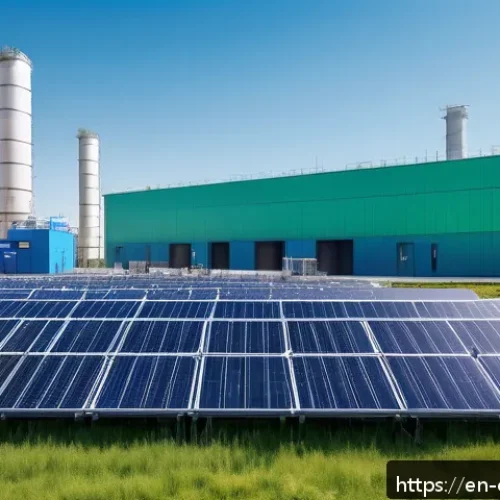
    "A bright, modern chemical engineering ...

Chemical engineering is a field that genuinely excites me! It’s one of those professions where you can truly make a tangible difference in the world, tackling everything from developing life-saving medicines to pioneering sustainable energy solutions.

I remember feeling a mix of anticipation and a little bit of awe when I first delved into the sheer breadth of what a chemical engineer actually does.

It’s not just about beakers and labs, although those are definitely part of the fun! We’re talking about designing entire production processes for everything from your morning coffee to the latest in advanced materials.

The demand for innovative minds in this sector is growing, especially with the global shift towards green chemistry, renewable energy, and the exciting advancements in AI and biotech.

If you’re someone who loves problem-solving and wants a career that’s both intellectually stimulating and impactful, then you’re in the right place. Trust me, the journey to becoming a qualified chemical engineer might seem daunting, but it’s incredibly rewarding.

I’ve seen firsthand how these skills open doors to diverse industries and global opportunities. So, if you’re wondering how to navigate this dynamic career path and unlock your potential, you’ve definitely come to the right spot.

Let’s dive deep into the exact steps and qualifications you’ll need to secure your place in this incredible field.

It’s absolutely fantastic that you’re looking to dive into the world of chemical engineering! It’s a field that’s truly at the forefront of innovation, constantly evolving and offering so many exciting avenues to explore.

From what I’ve seen and experienced, the landscape for chemical engineers is incredibly dynamic, with new opportunities popping up all the time. If you’re ready to roll up your sleeves and really make an impact, then let’s get into what it truly takes to carve out a successful path in this incredible profession.

Forging Your Academic Foundation: The Essential Degree Path

화학공학 자격취득 방법 - **Prompt 1: Future of Sustainable Chemical Engineering**
    "A bright, modern chemical engineering ...

Embarking on a career in chemical engineering definitely starts with a solid educational background. Trust me, I’ve seen countless individuals try to shortcut this, but a strong foundation is non-negotiable for long-term success. Most aspiring chemical engineers in North America and Europe typically pursue a Bachelor’s degree in Chemical Engineering from an accredited institution. This isn’t just about getting a piece of paper; it’s about building a robust understanding of fundamental principles like thermodynamics, fluid mechanics, heat and mass transfer, and reaction kinetics. You’ll spend hours in labs, often struggling through complex problem sets, but every challenge is a stepping stone to truly grasp how processes work from a molecular level all the way up to industrial scale. I remember late nights in the library, fueled by coffee, trying to optimize a theoretical reactor design – those were the moments that truly solidified my passion and taught me the analytical rigor needed in this field. Without this comprehensive theoretical and practical grounding, it’s incredibly difficult to innovate or even troubleshoot effectively in real-world scenarios. Many top universities offer exceptional programs, with places like MIT, Stanford, UC Berkeley in the US, and UCL in the UK consistently ranking highly, providing cutting-edge research opportunities and strong industry connections.

Choosing the Right Program for Your Ambitions

When you’re looking at university programs, it’s not just about the name; it’s about finding a fit for your specific interests. Are you drawn to sustainable energy, pharmaceuticals, or maybe advanced materials? Some programs have a stronger emphasis on certain areas, which can give you a head start. For example, some offer specialized tracks in areas like biochemical engineering, which is perfect if you’re thinking about biotech. Don’t be afraid to dig into the course catalogs and even reach out to current students or alumni. Their insights can be invaluable. I always tell aspiring engineers to look for programs that integrate hands-on projects and design experiences, as these are crucial for applying theoretical knowledge. You’ll want to ensure the curriculum is robust, covering everything from process calculations to reactor design.

Considering Advanced Degrees: Master’s or PhD?

While a bachelor’s degree is often the entry point, many chemical engineers find that pursuing a Master’s or even a Ph.D. can significantly broaden their career horizons and earning potential. An advanced degree can provide specialized knowledge in emerging fields, open doors to research and development roles, or prepare you for leadership positions. For instance, a Ph.D. can be almost a prerequisite for high-level research roles in academia or advanced industrial R&D labs. I’ve seen colleagues who went on to get their Master’s degrees find themselves in more strategic, high-impact roles much sooner than those who stopped at a Bachelor’s. It truly depends on your long-term goals, but it’s certainly something to consider as you progress.

Beyond the Classroom: Cultivating Real-World Experience

Let’s be real, textbooks can only take you so far. The true magic of chemical engineering, the place where theory meets reality, happens when you get your hands dirty. Gaining practical experience is absolutely paramount if you want to be a sought-after chemical engineer. Internships and co-op placements are golden opportunities to apply what you’ve learned in a dynamic, industrial setting. I remember my first internship; it was an eye-opener! Suddenly, those abstract concepts from lectures clicked into place as I saw them in action on a plant floor. I learned so much about process safety, troubleshooting, and team collaboration that no classroom could ever teach. Many companies, from massive petrochemical giants to nimble biotech startups, actively seek out students with this kind of practical exposure. It demonstrates initiative, a willingness to learn, and that you can function effectively outside of a purely academic environment. These experiences not only bolster your resume but often lead directly to job offers upon graduation. Some universities even offer structured co-op programs that alternate between academic study and full-time paid work experience, which is an incredible way to build your professional network and even earn some money while you study.

The Power of Internships and Co-op Programs

Don’t underestimate the value of a good internship. It’s not just about what you do, but who you meet. These opportunities allow you to network with seasoned professionals, understand corporate culture, and even discover niches within chemical engineering you never knew existed. I’ve seen people pivot their entire career focus after an internship sparked a new interest. Look for internships that offer genuine engineering tasks, where you can contribute to real projects. Whether it’s optimizing a distillation column, developing a new catalyst, or assisting in process design, these experiences are invaluable. For example, interning in a biopharmaceutical company can provide insights into drug development and production.

Research Opportunities and Student Projects

Beyond formal internships, getting involved in undergraduate research or significant design projects is another fantastic way to gain practical skills. Many professors are eager to have enthusiastic students contribute to their research, whether it’s in developing new sustainable materials or optimizing biochemical processes. These projects teach you critical thinking, experimental design, data analysis, and problem-solving in a less structured environment than a typical lab course. Plus, if you’re thinking about graduate school, having research experience can be a huge advantage. These hands-on experiences, whether in a lab or a capstone design project, really solidify your understanding and allow you to make mistakes and learn in a safe environment before you’re out in the real world. I still recall the satisfaction of seeing a prototype I helped design actually work!

Advertisement

The Mark of a Professional: Certifications and Licensure

Once you’ve got your degree and some experience under your belt, professional certifications and licensure become the next big step, especially if you’re looking to take on leadership roles or practice independently. This isn’t just about looking good on paper; it’s about demonstrating a commitment to ethical practice, public safety, and a high level of competency. In the United States, obtaining a Professional Engineer (PE) license is a major milestone for chemical engineers. It signifies that you’ve met rigorous state requirements in education, examinations, and practical experience. Trust me, there’s a real sense of accomplishment when you finally pass that PE exam! It immediately elevates your standing in the industry and can unlock higher-level responsibilities and, let’s be honest, often a better salary. Similarly, in other regions like Canada and the UK, there are equivalent professional designations that carry similar weight and importance.

Navigating the PE License in the US

The path to becoming a licensed Professional Engineer in the US typically involves a few key steps. First, you need to graduate from an ABET-accredited engineering program. Then, you’ll need to pass the Fundamentals of Engineering (FE) exam, which you can often take while still in college. After that, you’ll gain a few years (usually four) of supervised engineering experience under a licensed PE. Finally, you sit for the Principles and Practice of Engineering (PE) exam specific to chemical engineering. It’s a challenging process, but the payoff in credibility and career opportunities is immense. I know plenty of engineers who say it was one of the toughest, but most rewarding, hurdles they faced.

Valuable Industry Certifications

Beyond the core professional license, a host of other certifications can significantly boost your career profile and open up specialized opportunities. These often demonstrate expertise in specific areas that are in high demand. Think about certifications in process safety management (like the CCPSC from AIChE), environmental regulations (such as Certified Environmental Professional – CEP), or even advanced software applications like Aspen HYSYS, which is crucial for process simulation. There are also certifications like Six Sigma Green Belt or Black Belt for process improvement, and Certified Energy Manager (CEM) for those focusing on energy efficiency. Each of these adds a specialized arrow to your quiver, making you more adaptable and valuable to potential employers. I’ve seen firsthand how these specialized skills can make you indispensable in certain project teams.

Specializing for Impact: Niche Areas in Chemical Engineering

One of the things I absolutely adore about chemical engineering is how incredibly diverse it is. It’s not just one narrow path; it’s a vast landscape with so many exciting specializations. You can truly find a niche that resonates with your passions and interests. With the global shift towards sustainability, green chemistry, and renewable energy, chemical engineers are more vital than ever. Imagine working on developing advanced materials for more efficient solar panels, designing processes to convert biomass into biofuels, or figuring out how to capture carbon emissions before they ever hit the atmosphere. These are just a few examples of where chemical engineers are making a tangible difference. My own journey has led me to explore a few different areas, and I can tell you, each one presents its own unique intellectual challenges and rewards. The beauty is that the core principles of chemical engineering are so versatile, they can be applied across a multitude of industries.

The Green Frontier: Sustainable Engineering and Renewables

This is where chemical engineers really shine, transforming raw materials into valuable products in environmentally responsible ways. From developing biodegradable polymers to designing carbon capture technologies, the opportunities are endless. You could be working on next-generation batteries for electric vehicles, optimizing hydrogen production for a cleaner energy future, or creating more efficient wastewater treatment processes. It’s an area that requires not just technical prowess but also a deep commitment to global challenges, and honestly, it feels incredibly rewarding to contribute to a greener planet. Companies are actively seeking engineers who can help them meet sustainability goals and reduce their environmental footprint. I find the work in this area to be particularly inspiring, as you’re directly contributing to solutions for some of humanity’s biggest problems.

The Biotech Boom: Pharmaceuticals and Life Sciences

Another area that’s truly exploded is biotechnology and pharmaceuticals. Chemical engineers play a critical role here, especially in process development, scale-up, and manufacturing of life-saving drugs, vaccines, and other biological products. Think about it: designing the bioreactors, optimizing purification processes for complex proteins, or ensuring the sterile conditions for drug production—all of these rely heavily on chemical engineering principles. It’s a field where precision and safety are paramount, and the impact on human health is direct and profound. I’ve spoken with chemical engineers in this sector who describe the immense satisfaction of knowing their work helps bring crucial medicines to patients.

Specialization Area Key Contributions of Chemical Engineers Typical Roles/Industries
Sustainable Energy & Green Technologies Designing efficient solar cells, developing biofuels from biomass, optimizing hydrogen production, carbon capture, waste-to-energy conversion, designing eco-friendly processes and materials. Renewable Energy Companies, Environmental Consulting, Biofuel Production, R&D Labs
Pharmaceuticals & Biotechnology Bioreactor design, drug purification and formulation, sterile manufacturing processes, process scale-up for new medicines, developing new drug delivery systems. Biotech Firms, Pharmaceutical Companies, Medical Device Manufacturing
Advanced Materials Developing nanomaterials, polymers, composites for specific applications, designing manufacturing processes for new materials, material characterization and testing. Aerospace, Electronics, Automotive, Consumer Goods Manufacturing
Process Optimization & Digital Transformation Implementing AI and machine learning for process control, creating digital twins, data analytics for efficiency improvements, automation of chemical plants. Manufacturing, Consulting, Software Development for Industrial Applications
Advertisement

The Future is Now: Emerging Trends and Opportunities

화학공학 자격취득 방법 - **Prompt 2: Professional Chemical Engineer in an Advanced Manufacturing Plant**
    "A professional ...

The field of chemical engineering isn’t static; it’s constantly evolving, driven by technological advancements and global needs. Staying ahead of these emerging trends isn’t just a good idea, it’s essential for a thriving career. From my vantage point, and honestly, from what I’m seeing across the industry, several areas are poised for explosive growth and innovation in the coming years. This is where you can truly differentiate yourself and become a trailblazer. I always tell young engineers to keep their eyes open, to read industry journals, and to attend webinars because the pace of change is truly breathtaking.

Artificial Intelligence and Digital Transformation

This is huge, and it’s only going to get bigger. AI and machine learning are revolutionizing how chemical engineers design, optimize, and operate chemical processes. We’re talking about predictive analytics to forecast outcomes, optimizing energy consumption in distillation columns, and even using AI for fault detection and predictive maintenance. Imagine a chemical plant where AI systems analyze thousands of sensors in real-time, providing insights humanly impossible to achieve. This isn’t science fiction; it’s happening now. Learning programming languages like Python and understanding data analysis tools is becoming a “must-have” skill for chemical engineers. I’ve personally seen how integrating AI tools can streamline operations and enhance safety, making our work more efficient and sustainable. The ability to work with digital twins and leverage big data will truly set you apart.

Circular Economy and Green Chemistry

The push towards a circular economy, where waste is minimized and resources are continually reused, is fundamentally reshaping the chemical industry. Chemical engineers are at the heart of this, designing processes and products that are “sustainable-by-design” from the get-go. This includes developing biodegradable materials, pioneering chemical recycling methods to break down complex plastics, and using waste products as valuable feedstocks. It’s about thinking about the entire lifecycle of a product, from raw material extraction to end-of-life, and striving for closed-loop systems. This isn’t just an environmental initiative; it’s an economic imperative. Companies are investing heavily in these areas, creating a huge demand for engineers with expertise in sustainable practices. I feel a real sense of purpose when working on projects that reduce environmental impact and conserve resources.

Crafting Your Career Canvas: Networking and Job Hunting Strategies

Landing that dream job in chemical engineering isn’t just about having the right qualifications; it’s also about how you present yourself and the connections you build. The job market can be competitive, so a proactive and strategic approach to networking and job hunting is crucial. From my own experience, and what I’ve observed from countless successful colleagues, simply sending out a resume isn’t enough. You need to actively engage with the industry, understand where the opportunities lie, and make sure your unique skills and experiences truly stand out. It’s a bit like designing a process; you need to optimize every step for the best possible outcome.

Building Your Professional Network

Networking might sound daunting, but it’s really just about making genuine connections. Attend industry conferences, career fairs, and local chapter meetings of professional organizations like the American Institute of Chemical Engineers (AIChE) or the Institution of Chemical Engineers (IChemE). These are fantastic places to meet people who are actually working in the roles you aspire to. Don’t be shy! A simple conversation can open doors you never even knew existed. I’ve found that people in our field are generally very open to sharing their experiences and offering advice. LinkedIn is also an incredibly powerful tool for connecting with professionals and learning about companies. A strong network can provide insights into unadvertised positions, mentorship opportunities, and even serve as references when the time comes. Remember, it’s not just about what you know, but who knows what you know.

Tailoring Your Applications and Interview Skills

When it comes to applications, customization is key. Don’t just use a generic resume and cover letter. Research each company and position thoroughly, and highlight how your specific skills and experiences align with their needs. Show them you’ve done your homework and that you’re genuinely interested in *their* work. For example, if you’re applying for a role in sustainable energy, emphasize your experience with green chemistry projects or renewable energy technologies. During interviews, showcase your problem-solving abilities and your passion for the field. Be ready to talk about your projects, challenges you’ve overcome, and what you learned from them. Practice explaining complex technical concepts in a clear, concise manner – that’s a skill that will serve you well throughout your career. A little preparation goes a long way in making a memorable impression.

Advertisement

Earning Your Worth: Salary Expectations and Growth Potential

Let’s talk numbers because, let’s face it, compensation is a significant factor when considering any career path. The good news for aspiring chemical engineers is that it’s consistently one of the highest-paying engineering disciplines, and the demand is projected to remain steady or even grow. This isn’t just about the starting salary; it’s about the incredible growth potential throughout your career, especially as you gain experience, acquire specialized skills, and take on more responsibility. I’ve personally witnessed how a few years of solid experience and a knack for problem-solving can significantly boost your earning power. It’s a field where your intellectual capital truly translates into financial reward, and that’s something to be genuinely excited about.

Current Salary Landscape

In the United States, chemical engineers can expect a median annual wage that is very competitive, often in the six-figure range for experienced professionals. Recent data indicates that the median annual wage for chemical engineers was around $121,860 in May 2024, with ranges typically falling between $78,540 and $192,190 annually. Entry-level positions are also quite competitive, with new graduates in 2023 seeing median starting salaries around $74,500. Of course, these figures can vary depending on location, industry, and educational attainment. For instance, chemical engineers in Texas, especially in the oil and gas sector, often command some of the highest salaries. In the UK, the average pay for a chemical engineer is around £68,366 per year, while in Canada, it’s roughly CAD 94,000 annually, with senior positions reaching CAD 150,000.

Factors Influencing Your Earnings

Several key factors play a role in shaping your salary trajectory. Your educational level is a big one; those with advanced degrees, like a Master’s or Ph.D., generally earn more. For instance, Ph.D. holders can see a median salary of $165,000 compared to $141,550 for Bachelor’s degree holders. Industry sector also makes a significant difference. While the oil and gas industry has historically offered some of the highest compensations, especially for specialized roles, rapidly growing sectors like pharmaceuticals, biotechnology, and renewable energy are also providing excellent pay. Location matters too, with certain states or cities offering higher wages due to demand and cost of living. Lastly, continuous professional development, obtaining specialized certifications, and gaining valuable experience in complex projects are all surefire ways to increase your earning potential and secure a rewarding career in chemical engineering. I’ve seen this time and time again – the more you invest in your skills, the more the industry invests in you.

Concluding Thoughts

Whew! What a journey we’ve covered today, right? From setting the academic groundwork to exploring the incredible specializations and peering into the future of chemical engineering, it’s clear this field is nothing short of extraordinary. It’s a profession that truly allows you to blend scientific rigor with creative problem-solving, making a tangible impact on the world around us. If you’re anything like me, you’re probably feeling that buzzing excitement about the endless possibilities. Trust me, dedicating yourself to chemical engineering means signing up for a career that’s not just challenging, but deeply rewarding and consistently evolving, always keeping you on your toes and eager to learn more.

Advertisement

Useful Information to Know

1. Continuous Learning is Your Superpower: The chemical engineering landscape changes fast! Staying updated with new technologies, software (like Aspen HYSYS, MATLAB, Python), and industry best practices isn’t just a suggestion; it’s how you future-proof your career. Embrace online courses, webinars, and professional development programs to keep your skills sharp and relevant. This proactive approach ensures you’re always at the forefront of innovation.

2. Soft Skills are Hard Gold: While technical expertise is your foundation, don’t underestimate the power of communication, teamwork, and leadership. Companies are actively seeking engineers who can articulate complex ideas, collaborate effectively in diverse teams, and even take on mentorship roles. These are the skills that help you navigate projects, lead initiatives, and truly stand out in any professional setting.

3. Mentorship is a Game Changer: Seriously, find someone you admire in the field and learn from them. A good mentor can offer invaluable guidance, share real-world insights, and help you sidestep common pitfalls. They can open doors to networking opportunities and provide perspective that only years of experience can offer. Don’t be shy about reaching out; most seasoned professionals are happy to share their knowledge.

4. Dive into Practical Experience Early: Whether it’s through internships, co-ops, or undergraduate research, getting hands-on experience is critical. It bridges the gap between theory and application, helping you understand how classroom concepts translate into industrial reality. Plus, it’s a fantastic way to build your resume and professional network before you even graduate. These experiences are often the direct pathways to your first job.

5. Embrace Interdisciplinary Thinking: Modern chemical engineering increasingly intersects with other fields like data science, biotechnology, and environmental science. Having a broad perspective and the ability to connect concepts across disciplines will make you incredibly valuable. This interdisciplinary mindset is key to tackling the complex global challenges of today and tomorrow, from climate change to advanced healthcare solutions.

Key Takeaways

To truly thrive as a chemical engineer, your journey begins with a robust academic foundation, typically a Bachelor’s degree, which can be further enhanced by advanced studies for specialization and leadership roles. Gaining real-world experience through internships and research is paramount, as it transforms theoretical knowledge into practical skills and builds crucial industry connections. Pursuing professional certifications and licensure, such as the PE license in the US, significantly boosts your credibility and career trajectory, demonstrating a commitment to ethical and competent practice. The field itself offers incredibly diverse specialization areas, from sustainable energy and green technologies to pharmaceuticals and advanced materials, allowing you to align your career with your passions and contribute to critical global issues. Looking ahead, embracing emerging trends like Artificial Intelligence, digital transformation, and the circular economy will be essential for continuous innovation and impact. Finally, proactive networking and strategic job-hunting, combined with a focus on continuous professional development and strong soft skills, are key to securing competitive salaries and fostering sustained career growth in this dynamic and rewarding profession. The future of chemical engineering is bright, and with dedication, the opportunities are boundless.

Frequently Asked Questions (FAQ) 📖

Q: What does a chemical engineer actually do, beyond just mixing things in a lab?

A: This is such a great question, and honestly, it’s one I get all the time! When I first dipped my toes into chemical engineering, I pictured endless hours in a lab, stirring beakers, and maybe the occasional controlled explosion (just kidding…
mostly!). But trust me, it’s so much more dynamic and far-reaching than that. Chemical engineers are essentially the architects of industrial processes.
We take raw materials and transform them into valuable products on a massive scale. Think about your everyday life: the fuel in your car, the plastics in your phone, the medicines that keep us healthy, even the food you eat – a chemical engineer likely had a hand in designing the process to make it safely and efficiently.
We’re not just scientists; we’re problem-solvers who optimize systems, ensure safety, develop new materials, and yes, sometimes we get to innovate in a lab.
It’s about designing entire factories, optimizing energy use, and even tackling environmental challenges by creating cleaner, greener production methods.
From designing a new pharmaceutical plant to developing a sustainable way to produce biofuels, our work impacts almost every industry you can imagine.
It’s intellectually stimulating because every project presents unique challenges, pushing you to think creatively and apply complex principles.

Q: What are the essential qualifications and educational steps I need to take to become a successful chemical engineer?

A: If you’re excited about this field, the good news is that the path is pretty clear, though it definitely requires dedication! From my experience, the absolute cornerstone is a Bachelor’s degree in Chemical Engineering.
This foundational degree, usually a four-year program, will equip you with everything from thermodynamics and fluid mechanics to reaction kinetics and process design.
It’s challenging, no doubt, but incredibly rewarding as you build a robust understanding of how everything works at a molecular and industrial level. After your undergrad, many folks, myself included, consider a Master’s or even a Ph.D., especially if you’re aiming for specialized research and development roles, academia, or advanced positions in certain industries like pharmaceuticals or advanced materials.
But here’s a crucial tip: internships during your studies are gold! They offer invaluable real-world experience, help you network, and often lead directly to job offers upon graduation.
I can’t stress enough how much my internships shaped my understanding and career trajectory. Beyond formal education, certifications in specific software (like process simulation tools) or project management can really make your resume shine.
It’s a journey of continuous learning, truly, but each step builds on the last, preparing you for an incredibly impactful career.

Q: What kind of job market and career opportunities can I expect as a chemical engineer in today’s world?

A: This is where it gets really exciting, especially with how quickly technology and global priorities are shifting! The demand for innovative chemical engineers is absolutely thriving, and it’s not just in traditional oil and gas anymore – though those sectors still need us!
We’re seeing a massive surge in opportunities driven by global megatrends like sustainability, renewable energy, biotechnology, and even artificial intelligence.
You could find yourself developing advanced battery technologies for electric vehicles, creating eco-friendly plastics that biodegrade, designing bioreactors for new medicines, or optimizing food production processes to feed a growing population.
Think about industries like pharmaceuticals and biotech, where chemical engineers are crucial for drug development and manufacturing. Then there’s the energy sector, shifting rapidly towards solar, wind, and biofuels, all needing chemical engineering expertise.
Advanced materials, water treatment, consumer products – the list goes on. From my vantage point, companies are actively seeking chemical engineers who aren’t just technically brilliant but also adaptable, innovative, and eager to tackle complex challenges.
It’s a career path that truly opens doors to diverse industries and global opportunities, allowing you to contribute to meaningful progress and literally shape the future.
It’s genuinely a fantastic time to be entering this field!

Advertisement